

Image: Times of India
Discover how DGCA's new rules ensure 60% of airline seats are free, allowing families to sit together and promoting transparency in air travel. Click to learn more!
GlipzoIn a significant move for air travelers across India, the Directorate General of Civil Aviation (DGCA) has introduced groundbreaking regulations aimed at enhancing passenger comfort and transparency. Effective immediately, airlines are required to allocate at least 60% of their seats without any charge. This means that families and groups traveling together under the same Passenger Name Record (PNR) will now have the right to sit together, ideally in adjacent seats. This new directive comes as a direct response to numerous complaints from passengers regarding exorbitant fees for seat selection and the distressing practice of separating travel companions during flights.
The decision reflects a growing concern among passengers who have expressed dissatisfaction with the current policies that often lead to added costs and discomfort. Many travelers have found themselves in situations where family members or friends are seated far apart due to the restrictive nature of seat selection fees. With the DGCA’s new ruling, these worries are set to diminish, fostering a more communal and enjoyable travel experience.
In addition to the free seating mandate, the DGCA has also established clearer guidelines regarding the transportation of sports equipment, musical instruments, and pets. Airlines are now required to disclose their policies transparently, ensuring that passengers are well-informed before they book their flights. This move is particularly significant for travelers who often face unexpected fees or restrictions when bringing along their essential items.
Furthermore, the DGCA has highlighted the need for airlines to prominently display passenger rights information. This initiative is crucial for consumers, empowering them with knowledge about what they are entitled to during their travel experience. By ensuring that passengers are aware of their rights, the DGCA aims to create a more equitable environment in the aviation sector.
The implications of these new regulations are profound. By mandating that a substantial portion of seats be allocated free of charge, the DGCA is not only addressing immediate passenger grievances but also promoting a sense of community among travelers. Families and friends traveling together will no longer face the anxiety of being separated by the airline’s seating policies.
This shift in policy could potentially reshape the competitive landscape among airlines in India. Carriers may need to reevaluate their pricing strategies to accommodate the new rules while still maintaining profitability. As airlines adjust, passengers may witness changes in service standards and offerings, leading to an overall improvement in the quality of air travel.
Given the impact of these regulations, airlines will likely respond in various ways. Some may embrace the changes as a means to boost customer satisfaction and loyalty, while others might find it challenging to adjust their existing pricing structures. How airlines adapt to these new requirements will be crucial in determining their market position going forward.
As these regulations take effect, travelers can look forward to a more favorable flying experience. The emphasis on sitting together as a family or group will likely resonate with many who have faced the frustration of being scattered throughout the cabin. Moreover, the transparent policies regarding additional transportation items will alleviate concerns for those traveling with special equipment or pets.
Moving forward, it will be crucial for passengers to stay informed about their rights and the evolving landscape of airline policies. As the DGCA continues to monitor and refine regulations in the aviation sector, travelers should anticipate further improvements and innovations aimed at enhancing comfort and transparency in air travel.
In conclusion, the DGCA’s new rules signal a pivotal shift in the Indian aviation industry, emphasizing passenger welfare and transparency. As we watch how airlines respond to these mandates, one thing is clear: the era of expensive seat selection fees and unclear policies may be coming to an end, paving the way for a more consumer-friendly travel environment.
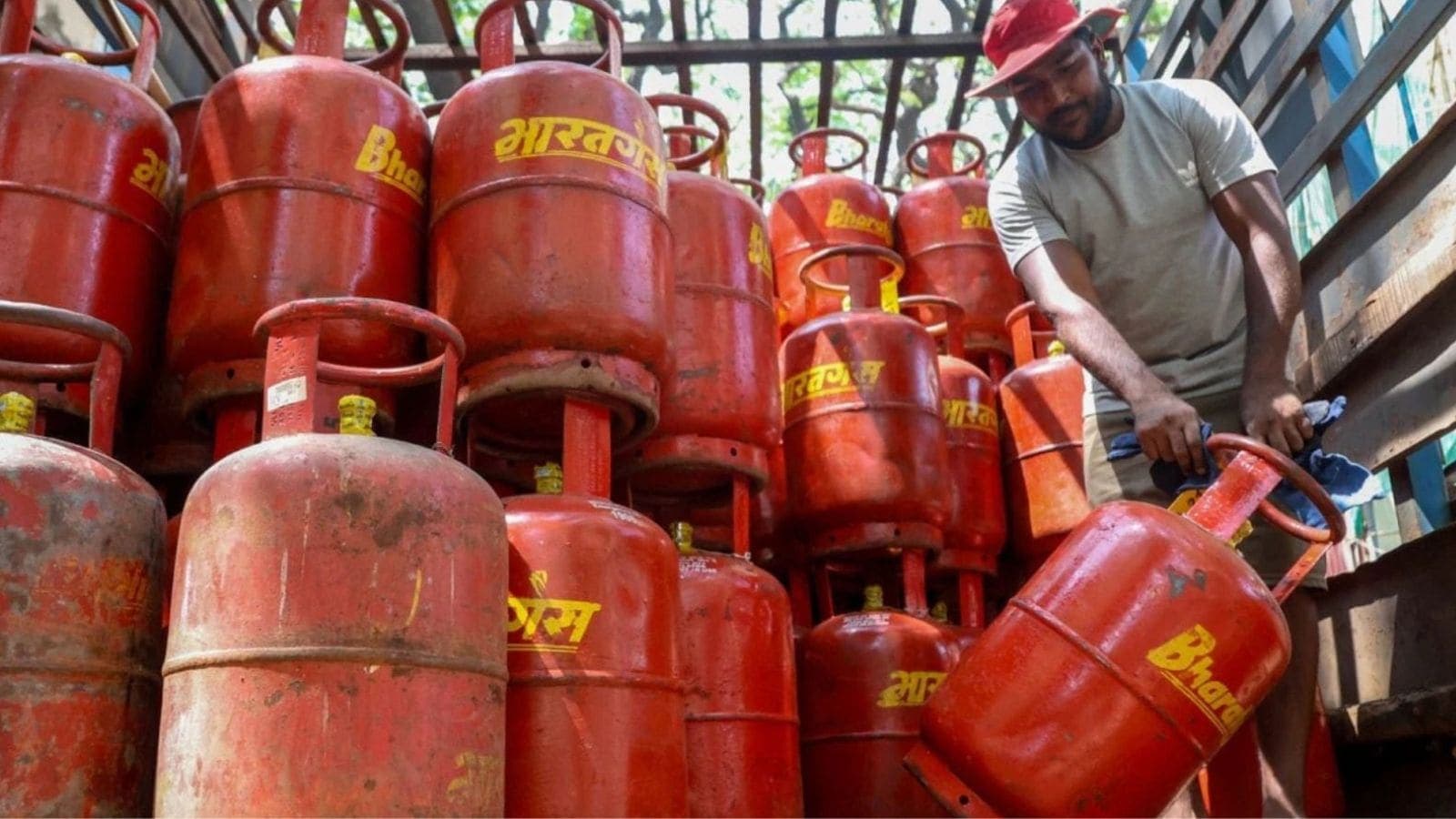
Commercial LPG prices have risen again, with increases of ₹42 in Delhi and ₹53.50 in Kolkata impacting businesses and consumers alike. Find out more.
Indian Express
Discover how a tragic coal mine explosion in Shanxi, China, reveals ongoing safety concerns in the industry amidst a push for green energy.
BBC Business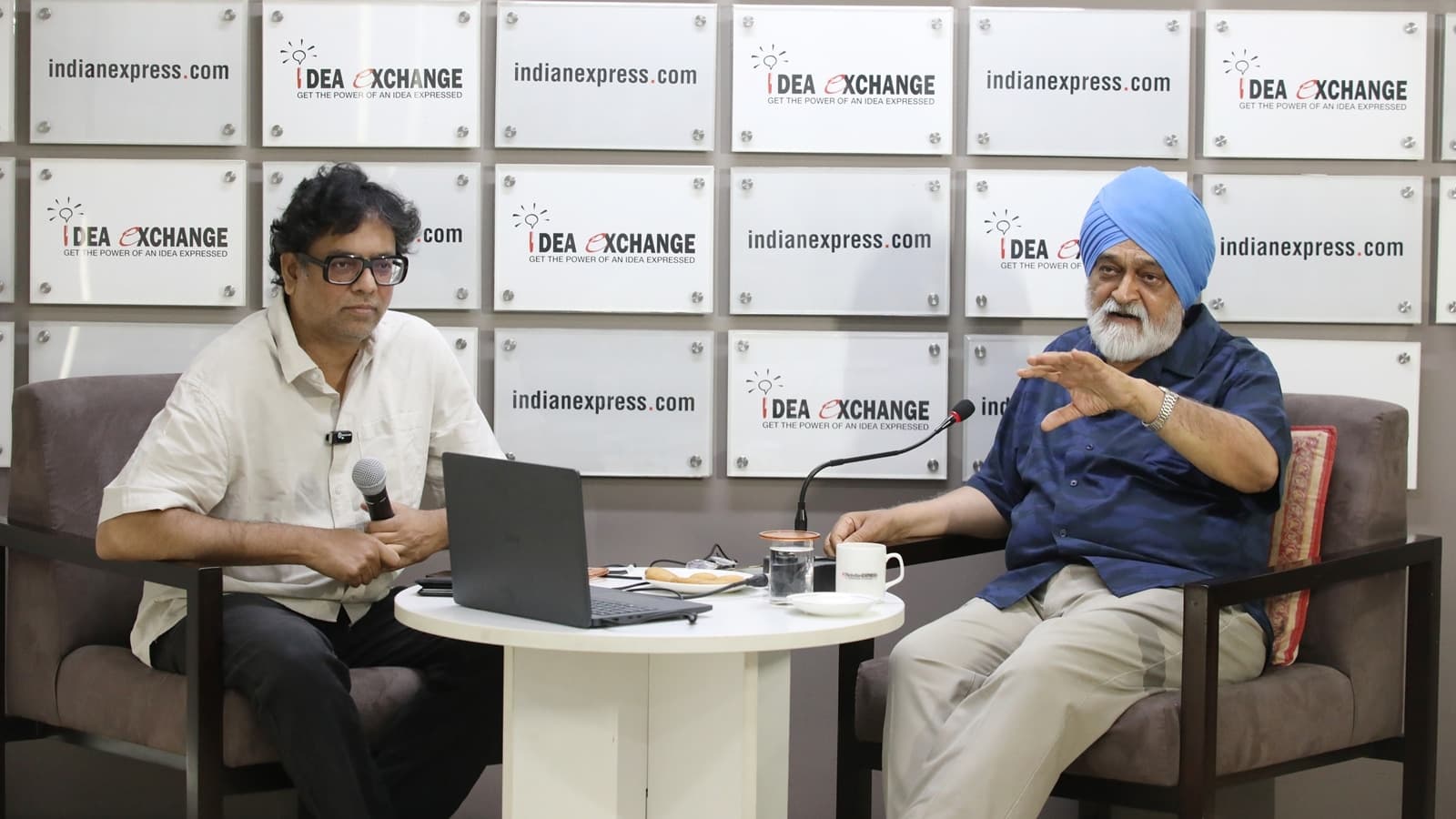
Montek Singh Ahluwalia highlights key economic challenges for India, emphasizing the need for a strategic approach to balance payments and investment.
Indian Express