
Image: BBC World
A French court has overturned a ban on a major Muslim gathering in Paris, highlighting the tension between security concerns and civil liberties. What’s next?
GlipzoIn a significant legal victory for the Muslim community in France, a French court has lifted a government-imposed ban on a major gathering of Muslims scheduled in northern Paris. The event, known as the Annual Encounter of Muslims of France, is set to take place over four days after the court ruled against the Paris police department's concerns about potential security risks.
The Paris police had claimed that the event posed a security threat and could attract far-right counter-demonstrations or terrorist activity. However, the Muslims of France (MF) association, which organizes the event, sought an emergency injunction, arguing that the ban would infringe on fundamental civil liberties. The administrative court's decision came just two hours before the scheduled start time of 14:00 (13:00 BST) on the day of the event.
In its ruling, the court found that the evidence provided by the police did not adequately demonstrate a credible risk of counter-demonstrations or attacks from far-right groups. Furthermore, the court noted that the event's organizers had proactively arranged for enhanced security measures to ensure the safety of all attendees.
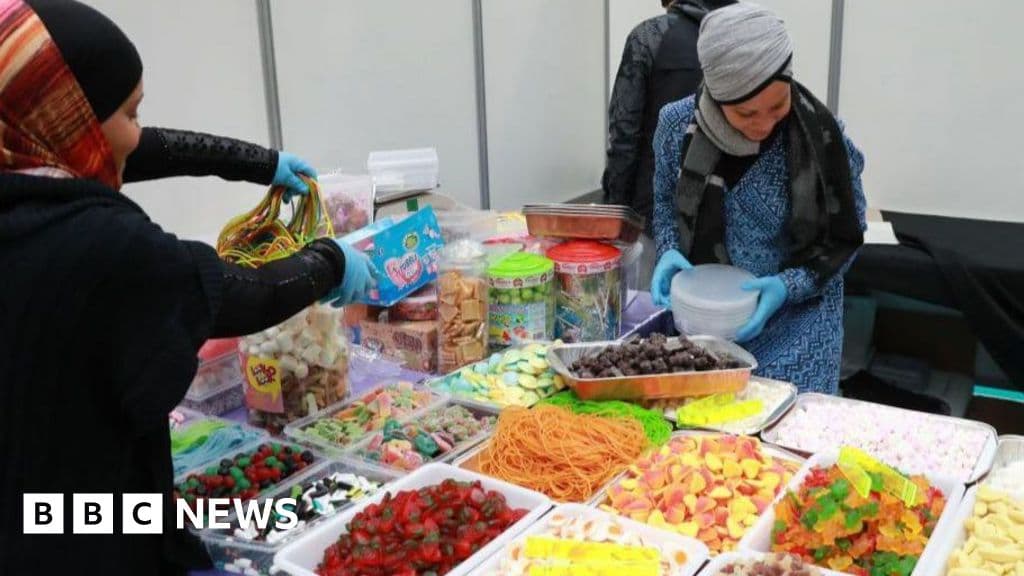
The gathering, which serves as both a cultural and religious conference as well as a trade fair, has historical significance, having previously attracted tens of thousands of participants from all over Europe. The last event took place in 2019, marking a long hiatus for this annual celebration of Muslim culture and community.
The Paris police department initially justified the ban by citing a “particularly tense” national and international context that heightened the risk of terrorism aimed at the Muslim community. In their statements, they expressed concerns that small far-right factions might attempt to disrupt the gathering amidst rising political agitation and polarization in France.
Moreover, the police claimed that foreign influences, particularly from nations like Russia and Iran, could instigate disturbances at the gathering. France has been vigilant about external entities allegedly financing acts of provocation against its internal communities, especially in light of ongoing geopolitical tensions.
The ban on the gathering coincides with France’s ongoing efforts to implement a new “anti-separatism” law aimed at addressing Muslim organizations that promote ideologies considered contrary to the secular principles of the French republic. Interior Minister Laurent Nunez emphasized that the legislation aims to provide the government with broader powers to close associations accused of fostering Islamic separatism, reflecting a continued focus on national security and social cohesion.
During the injunction hearing, Sefen Guez Guez, the lawyer representing the MF, articulated that the police’s actions amounted to a significant violation of the right to assemble. He argued that the ban was not only unjustified but also appeared to be a strategic move to further the government’s agenda concerning the new anti-separatism law.
Conversely, a police attorney defended the ban, asserting that it was not an anti-Muslim initiative but rather a necessary measure to maintain public order. The contrasting perspectives highlight the ongoing tension between state security and civil liberties in France, particularly concerning the Muslim community.
The court's decision to overturn the ban is a pivotal moment that underscores the importance of civil liberties and the right to assembly in France. It raises critical questions about the balance between public safety and individual freedoms, especially for minority communities that have often been under scrutiny.
As France grapples with the complexities of multiculturalism and national identity, this ruling could set a precedent for future events and gatherings, particularly those involving marginalized groups. The outcome also serves as a reminder of the judiciary's role in safeguarding democratic principles against governmental overreach.
As the Annual Encounter of Muslims of France unfolds, observers will be keenly watching the event to gauge its impact on community relations and national discourse surrounding Islam in France. This gathering may not only reaffirm the resilience of the Muslim community but also challenge the narratives that have often framed them as a security threat.
Going forward, the government’s approach to regulating religious and cultural gatherings will likely come under scrutiny, particularly as debates around freedom of expression and public order intensify. The outcomes of this gathering could influence future policies and the dynamics between the state and various religious communities within France.
With rising tensions and the backdrop of new legislation, the stakes have never been higher for both the government and the Muslim community in France. The implications of this court ruling extend far beyond this single event, potentially reshaping the landscape of civil rights in the country for years to come.

Tensions soar as the US and Iran engage in air strikes near the Strait of Hormuz, raising concerns over global oil supply and regional stability.
BBC World
Trump's international interventions face serious stalemates. What will this mean for U.S. foreign policy? Explore the critical challenges ahead.
Indian Express
Tehran denies resignation of President Masoud Pezeshkian amid claims of IRGC influence. What does this mean for Iran's political stability? Click to learn more!
Indian Express