
Image: BBC World
Army medics parachute onto Tristan da Cunha to assist a Briton with suspected hantavirus, amid a deadly outbreak from MV Hondius.
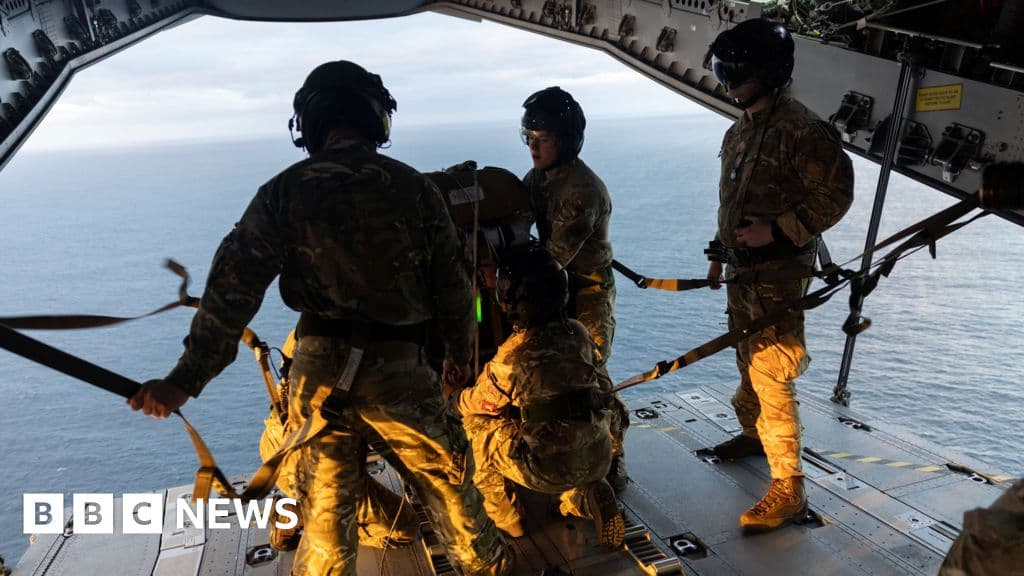
GlipzoIn a remarkable act of humanitarian support, British Army medics made a daring parachute drop onto Tristan da Cunha, one of the world’s most isolated inhabited islands, to assist a British national suspected of having hantavirus. This operation, conducted on Saturday, underscores the urgent need to address the health crisis emerging from a deadly outbreak linked to the cruise ship MV Hondius.
The individual, who disembarked from the cruise ship in mid-April, began experiencing severe symptoms two weeks later, raising alarms about the spread of this potentially lethal virus. Currently, he is in stable condition and isolating, but the situation remains critical with six confirmed cases of hantavirus, including two other British nationals still being treated off the vessel.
As the situation escalated, the Ministry of Defence (MoD) reported that oxygen supplies on Tristan da Cunha were dwindling to dangerous levels. In response, an RAF A400M aircraft dropped essential supplies alongside the medical team, ensuring that the residents had what they needed to cope with the health crisis.
The MV Hondius has seen a tragic turn of events with three fatalities, two of which have been confirmed as having contracted hantavirus. The virus, primarily transmitted through rodent excretions, poses significant health risks, particularly the Andes strain that has been identified among some passengers. This strain can spread from person to person, making the response to the outbreak even more critical.
The British Army's operation was not only significant for its medical implications but also for its logistical challenges. Six paratroopers and two medical professionals from the 16 Air Assault Brigade executed a complex jump onto the island, which lacks an airstrip and can only be accessed by boat. Given the urgency of the situation, a sea route was impractical as the man’s oxygen supplies were severely limited.
Brigadier Ed Cartwright, who oversaw the mission, detailed the difficulties faced by the team, including high winds and the small landing area. The jump was executed from an altitude of approximately 5 kilometers (3.1 miles) over the ocean, emphasizing the technical skill required to land safely on such a challenging site.
Upon landing, the medical team was greeted warmly by the island's residents, who quickly mobilized to assist their unexpected guests. Supplies totaling 3.3 tonnes (3,300 kg) were delivered to the local hospital, providing much-needed resources for both the suspected case and any residents who may have been exposed.
Local authorities expressed gratitude for the swift action taken by the British military, highlighting the collaborative effort to safeguard the health of the island’s 221 British citizens. This operation marks a historic first for the UK military, showcasing their commitment to humanitarian assistance in remote locations.
In light of these events, Foreign Secretary Yvette Cooper emphasized the UK's commitment to its overseas territories and citizens, stating, "This extraordinary operation reflects our unwavering commitment to the people of our overseas territories and to British nationals, wherever they are." Her remarks underscore the importance of rapid response in the face of health emergencies.
Al Carns, the Minister for the Armed Forces, commended the personnel involved for their professionalism and composure under pressure, highlighting the challenging circumstances they faced during the operation. This sentiment reflects not only the military's dedication but also the broader commitment of the UK government to the safety and well-being of its citizens abroad.
Looking ahead, monitoring the situation on Tristan da Cunha is paramount. The health authorities will likely focus on tracking any additional cases of hantavirus among the residents and those who may have had contact with the infected individuals. Continuous medical support will be crucial to prevent further spread of the virus and to ensure the safety of the island’s population.
As the MV Hondius continues its journey to Tenerife, where authorities are prepared to assist over 100 individuals disembarking, the situation remains fluid. The response from both military and health officials will be critical in managing the aftermath of this outbreak.
Why It Matters: This operation is a testament to the capabilities of the UK military in addressing health crises, particularly in remote areas where access is limited. It illustrates the importance of preparedness and rapid response in safeguarding public health, especially in the face of emerging infectious diseases. As the world becomes increasingly interconnected, understanding and combating such outbreaks will be essential to protecting global health.
This incident serves as a reminder of the vulnerabilities faced by isolated communities and the need for robust health infrastructure to respond to unexpected health threats. As the situation develops, it will be crucial to watch how health officials manage the ongoing outbreak and support the affected individuals on Tristan da Cunha.
Shocking findings from Nottingham's maternity unit reveal a toxic culture and alarming neglect. What can be done to improve care? Discover the details.
BBC Health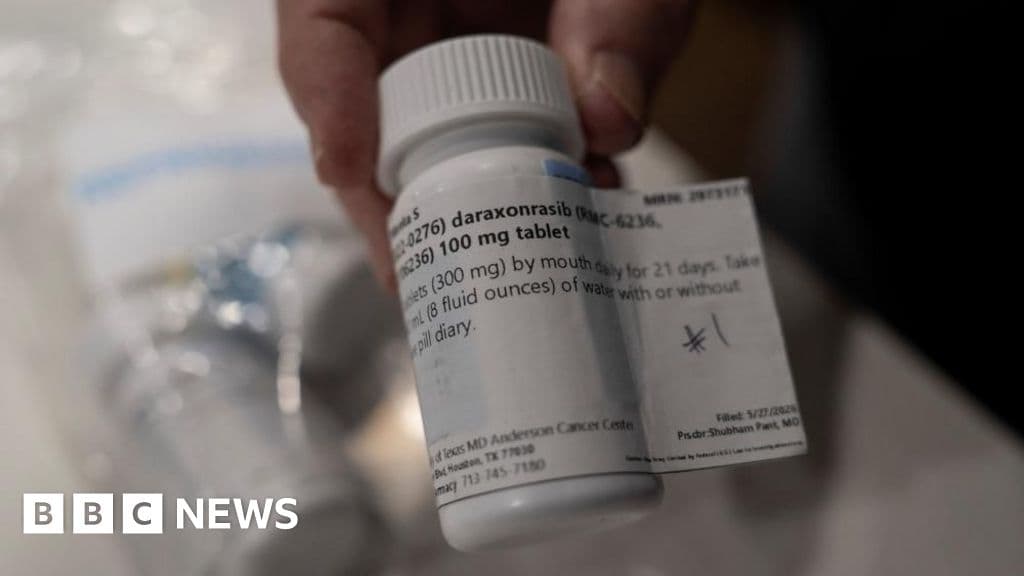
Discover how daraxonrasib, a new pill, is nearly doubling survival rates for pancreatic cancer patients, offering hope in a challenging battle against this deadly disease.
BBC Health
Waste companies propose a £5 deposit on vapes to encourage proper disposal and curb littering as the environmental impact of vapes increases.
BBC Business