

Image: TechCrunch
Discover how Alphabet's new company Anori aims to revolutionize the building approval process, backed by $26 million in funding. What’s next for this innovative platform?
GlipzoFor over a decade, Alphabet’s X moonshot factory has been on a quest to address one of the most persistent challenges in the construction industry: the labyrinthine process of building approvals. Despite previous setbacks, Alphabet has now announced a significant development: Anori, a platform designed to streamline these convoluted approval processes, has officially spun out as an independent company, backed by $26 million in funding.
On Thursday, X unveiled Anori as its first spinout of 2023, a year after the launch of Taara, a company specializing in wireless optical communications. This latest endeavor received substantial financial backing from Prologis, a major player in real estate, and Builders VC, a venture capital firm with a focus on construction technology. Participating in the funding round was X’s own Series X Capital, with Astro Teller, head of X, noting that this fundraising effort was “not a particularly small deal.”
Anori’s mission is to tackle a critical phase in the construction process, known as pre-development. This phase can span two to four years, where projects often become mired in inefficiencies, leading to rising costs and, in some cases, project cancellation. Teller emphasized the complexity involved, stating, “There’s the people who build the building, the people who design it, the structural engineers… all of those people, in a sense, are in a ring trying to talk to each other.”
Currently, the approval process for construction projects is highly sequential. When changes are made by architects, it triggers a chain reaction where all stakeholders must reassess their plans, often resulting in delays of months or even years. Once documents are submitted to city officials, the review process can take an additional six months to a year. If any compliance issues arise, the entire cycle resets, compounding the inefficiencies.
Teller pointed out that this bureaucratic maze contributes significantly to the high costs of construction, stating, “That is at least half of why buildings cost so much and nobody’s getting what they want out of the built environment.” Anori aims to fundamentally alter this dynamic by facilitating collaboration among all stakeholders from the outset, ensuring that compliance issues are identified early in the process.
Anori’s initial focus will be on developing multifamily buildings with three to six stories and housing 5 to 100 units. Teller believes this approach represents “the most efficient way for people to live” and addresses a pressing need for affordable housing solutions. However, the platform isn’t limited to residential projects; it also has plans to extend its services to hospitals and data centers, reflecting a broad ambition to reshape various sectors of real estate development.
Adrian Walker, Anori’s CEO, brings a wealth of experience to the role, having spent nearly a decade at Ford Motor Company before transitioning to the Bay Area, where he has worked as a founder and investor. Walker expressed the company's vision: “We believe that if we can bring transparency, coordination, and intelligence to the real estate development process, we can accelerate housing and commercial real estate projects.”
Anori’s launch is not the first attempt by X to revolutionize the construction approval process. About 13 years ago, a similar initiative named Vannevar Technologies, later rebranded as Flux, was brought forth but ultimately fell short due to timing and a lack of stakeholder buy-in. Teller reflected on these past experiences, stating, “We were just too early, and we hadn’t solved this particular problem about getting the buy-in.”
The difference this time is the immediate interest from industry experts. Teller noted that while previous efforts were met with skepticism, the response to Anori has been markedly positive. “They said, ‘No, no — we want in now,’” he recalled, highlighting a shift in the industry’s readiness to embrace change.
Anori's emergence is crucial as it seeks to tackle inefficiencies that have plagued the construction sector for decades. By leveraging technology to enhance communication and collaboration among stakeholders, the platform could potentially reduce project timelines, lower costs, and ultimately meet the growing demand for housing and infrastructure.
The importance of improving the approval process cannot be overstated, particularly in an era where urbanization and population growth are accelerating. Areas facing housing shortages may find Anori’s approach particularly beneficial, as it focuses on developing multifamily units, which are often more affordable than single-family homes.
As Anori embarks on its journey as an independent entity, the construction industry will be closely watching its progress. Will Anori successfully streamline the approval process and deliver on its promises of efficiency and transparency? With a solid funding base and a clear vision, Anori has the potential to become a significant player in reshaping how buildings are designed and constructed.
The next steps for Anori will involve expanding its platform capabilities and demonstrating its effectiveness in real-world projects. Stakeholders across the construction landscape will be eager to see whether this innovative approach can bring about the long-awaited transformation in a sector that has been slow to adapt to technological advancements.
In conclusion, Anori represents not just a new company, but a hopeful shift in an industry ripe for change. By addressing the bureaucratic nightmares that have hindered progress for too long, Anori could pave the way for a more efficient, transparent, and sustainable future in construction.

Commercial LPG prices have risen again, with increases of ₹42 in Delhi and ₹53.50 in Kolkata impacting businesses and consumers alike. Find out more.
Indian Express
Discover how a tragic coal mine explosion in Shanxi, China, reveals ongoing safety concerns in the industry amidst a push for green energy.
BBC Business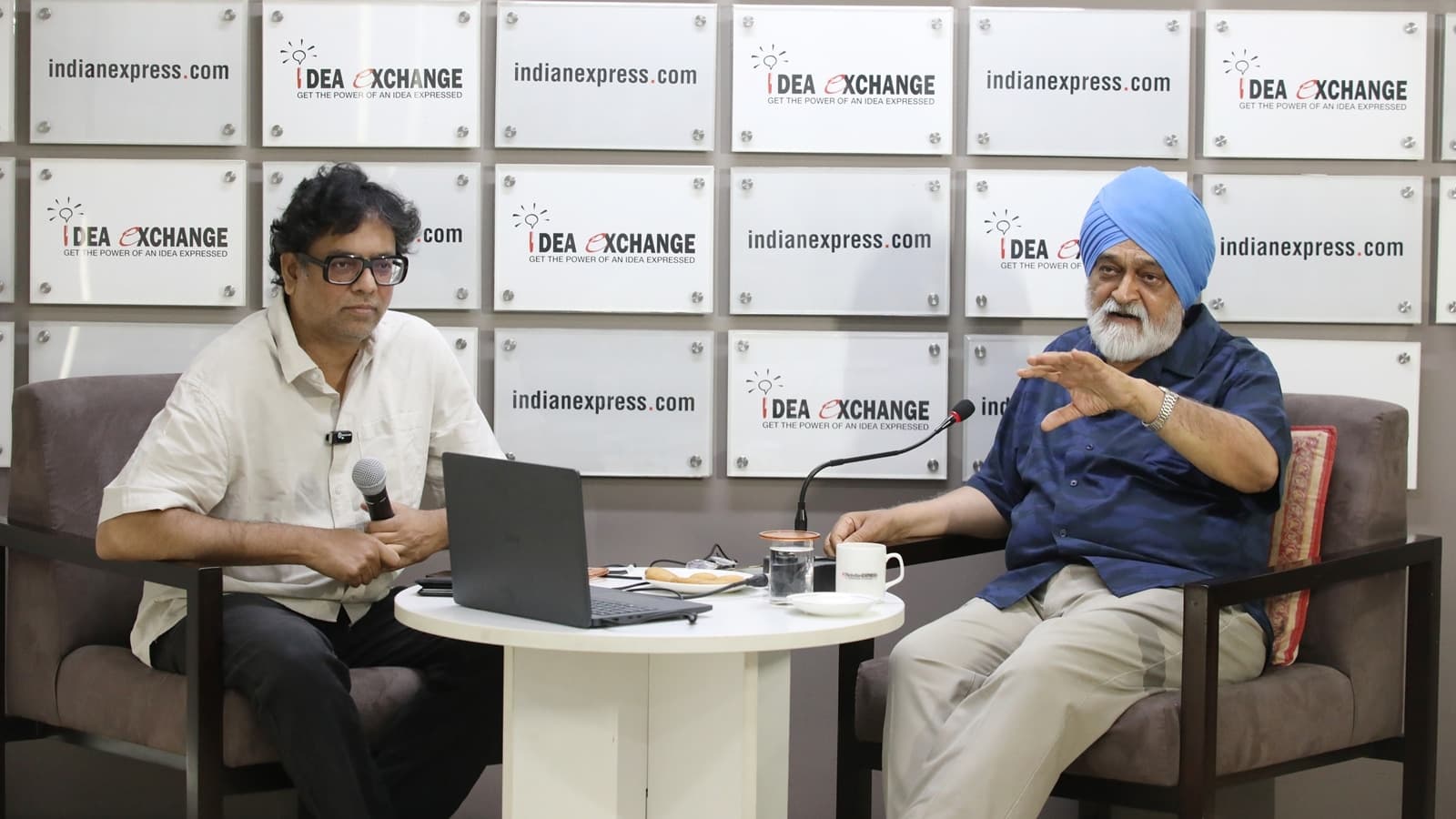
Montek Singh Ahluwalia highlights key economic challenges for India, emphasizing the need for a strategic approach to balance payments and investment.
Indian Express