
Image: BBC World
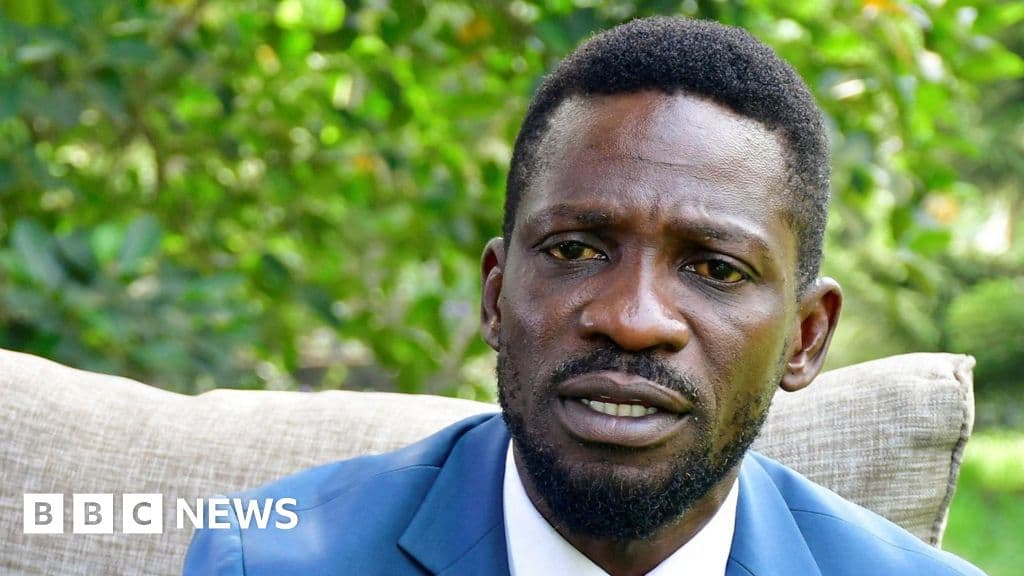
Bobi Wine, Uganda's opposition leader, has left the country after two months in hiding. His call for international support against Museveni raises global concerns.
GlipzoUgandan opposition leader Bobi Wine, whose real name is Robert Kyagulanyi Ssentamu, has made a significant announcement regarding his recent whereabouts. After spending two months in hiding following the controversial January elections, he has left Uganda for international engagements aimed at rallying support against President Yoweri Museveni. His departure has garnered attention both locally and globally, amplifying the ongoing political tensions in Uganda.
The backdrop to Bobi Wine’s recent actions stems from the January elections, which were marred by allegations of fraud and misconduct. Despite the official results declaring Museveni the winner with 72% of the vote, Wine insists that the election was rigged, claiming he was the rightful victor. This assertion is part of a broader narrative where many Ugandans view Museveni’s prolonged rule—since 1986—as increasingly authoritarian.
In a five-minute video posted on social media platform X, Wine reiterated his belief that the international community must take a stand against Museveni’s regime. He called for targeted sanctions against the president, emphasizing that he intends to use his time abroad to mobilize global support for the Ugandan opposition.
His message resonates with many who feel that the democratic process has been compromised in Uganda. Wine stated, “Running for president is not a crime,” rejecting the notion that he has violated any laws by contesting the election. His stance has further solidified his position as a key figure in Uganda's opposition movement.
While the government has denied actively seeking Bobi Wine, the reality appears more complex. Gen. Muhoozi Kainerugaba, the head of Uganda's military and Museveni's son, has publicly referred to Wine as “wanted dead or alive” and issued threats that were subsequently deleted from his X account. This rhetoric underscores the tension between the ruling party and the opposition, reflecting the lengths to which authorities may go to suppress dissent.
Bobi Wine reported that his supporters have faced harassment from security forces, including repeated raids on their homes. He described a chilling atmosphere in which military personnel have surrounded his residence in Kampala since election day. The fear of violence and repression is palpable among Wine’s supporters, as they navigate a political landscape fraught with danger.
In his recent video message, Wine expressed gratitude towards Ugandans who supported him during his time in hiding. “I thank all you fellow Ugandans who have concealed and protected me while the regime was looking for me,” he said, highlighting the solidarity among his supporters despite the oppressive environment.
The ongoing unrest following the January elections has led to significant protests across the country. In response, Kainerugaba claimed that 30 individuals from Wine's party were killed, labeling them as “terrorists.” Such claims have been met with skepticism and concern from human rights advocates, who warn against the government's increasingly violent tactics to quell dissent.
Bobi Wine’s departure and the circumstances surrounding it reveal the precarious state of democracy in Uganda. His call for international intervention is a plea for help that resonates with many who fear that the current regime is stifling political opposition and violating human rights.
As the situation develops, there are several key aspects to watch: - International Response: Will global powers heed Wine's call for sanctions against Museveni? - Domestic Reactions: How will the Ugandan public respond to Wine’s return and his international advocacy? - Continued Repression: Will the government's tactics against opposition members escalate further?
The coming weeks will be crucial in determining whether Bobi Wine’s efforts can galvanize significant change within Uganda. As he engages with international leaders, the eyes of the world will be on Uganda—waiting to see if this moment will mark a turning point in the country's fight for democracy.
In an era where political dissent often leads to severe repercussions, Bobi Wine stands as a symbol of resistance against oppressive governance. His journey from pop star to political leader is emblematic of the struggles faced by many in Uganda. As he navigates the international landscape, his actions could potentially reshape the future of Ugandan politics.
The narrative isn't just about one man’s fight; it reflects a broader struggle for freedom, justice, and democracy in Uganda. Bobi Wine's story continues to unfold, and the world is watching closely.

Tensions soar as the US and Iran engage in air strikes near the Strait of Hormuz, raising concerns over global oil supply and regional stability.
BBC World
Trump's international interventions face serious stalemates. What will this mean for U.S. foreign policy? Explore the critical challenges ahead.
Indian Express
Tehran denies resignation of President Masoud Pezeshkian amid claims of IRGC influence. What does this mean for Iran's political stability? Click to learn more!
Indian Express