

Image: TechCrunch
Billionaires reassess their commitment to philanthropy amid rising wealth inequality. Will the Giving Pledge lose more members?
GlipzoIn 2010, iconic philanthropists Warren Buffett and Bill Gates initiated a groundbreaking initiative known as the Giving Pledge. This campaign invited the world's wealthiest individuals to commit to donating more than half of their fortunes during their lifetimes or upon their passing. The timing seemed critical. The burgeoning tech industry was producing billionaires at an unprecedented rate, and society's concerns about the ethical implications of such vast wealth were just beginning to emerge. Buffett, in a candid discussion with Charlie Rose, emphasized the potential impact, stating, "We’re talking trillions over time." Fast forward to today, and while those trillions have certainly been amassed, the actual acts of philanthropy have not kept pace.
The disparity in wealth distribution has reached alarming levels, particularly in the United States. Recent reports indicate that the wealthiest 1% of American households now possess as much wealth as the bottom 90% combined, marking the highest concentration recorded by the Federal Reserve since it began tracking wealth in 1989. On a global scale, billionaire wealth surged by an astonishing 81% since 2020, totaling around $18.3 trillion. Alarmingly, this comes at a time when approximately one in four individuals worldwide struggles to secure sufficient food.
This stark divide has led a select group of ultra-wealthy individuals to contemplate whether they will uphold the voluntary promise of the Giving Pledge or withdraw from it entirely. A recent report from the New York Times highlighted that participation in the pledge has notably declined over the years: 113 families committed in the first five years, followed by 72 in the subsequent five, 43 in the next five, and shockingly, only four in 2024. Among those who have signed are high-profile figures like Sam Altman, Mark Zuckerberg, Priscilla Chan, and Elon Musk. However, as tech billionaire Peter Thiel noted, the initiative appears to have “really run out of energy.” He speculated that while it may not be outright negative, it seems less imperative for new members to join the cause.
The narrative surrounding altruism in Silicon Valley has been losing its appeal for some time. The satirical HBO series “Silicon Valley,” which aired in 2016, hilariously critiqued the industry's penchant for claiming to be “making the world a better place” while primarily chasing financial valuations. The show's influence was so profound that it reportedly altered corporate attitudes within the tech sector. Clay Tarver, one of the show's writers, revealed that some companies instructed employees to refrain from using the phrase “We’re making the world a better place” due to its comedic treatment.
Despite the humor, the idealism that was being parodied contained a grain of truth. Yet, what has emerged in its place is far from amusing. Veteran tech investor Roger McNamee reflected on the show’s creator, Mike Judge, who articulated that the series depicted a monumental clash between the idealistic values of the Steve Jobs generation and the entrepreneurial, libertarian ethos associated with figures like Peter Thiel.
McNamee further lamented that while some tech pioneers genuinely aimed to improve the world, they ultimately fell short. He observed, “We made some things better, we made some things worse, and in the meantime, the libertarians took over, and they do not care about right or wrong. They are here to make money.”
Today, the libertarian ideology that McNamee critiqued has permeated beyond Silicon Valley, influencing even political appointments. The perspective on “giving back” is increasingly contentious. For many within the libertarian faction of the tech industry, the entire concept of philanthropy is misguided. They argue that the true contributions lie in building companies, generating jobs, and fostering innovation, viewing any expectation of charitable giving as an unwelcome social obligation or even a coercive demand cloaked in altruism.
Peter Thiel epitomizes this mindset, notably never having signed the Giving Pledge and expressing disdain for Bill Gates, whom he has referred to as an “awful, awful person.” Thiel's views exemplify a growing sentiment in tech circles that philanthropy should not be a prerequisite for success or a measure of one's societal value.
The decline of the Giving Pledge and the shifting attitudes toward philanthropy among billionaires is not just a trend—it's a reflection of broader societal issues. As wealth inequality continues to grow, the responsibility of the ultra-wealthy to contribute positively to society is under increasing scrutiny. With public trust waning and a growing demand for accountability, the future of philanthropic initiatives may hinge on how effectively billionaires can align their wealth with meaningful contributions to societal challenges.
As we look to the future, the philanthropic landscape may undergo significant transformations. The pressing questions are: Will more billionaires choose to exit the Giving Pledge? Will this lead to a reevaluation of what it means to give back? As society grapples with wealth disparity and the call for social responsibility, the actions of these wealthy individuals will undoubtedly shape the narrative around philanthropy for years to come. Observers should watch for shifts in public sentiment, as the conversation around wealth and responsibility becomes increasingly critical in addressing the challenges of our time.

Commercial LPG prices have risen again, with increases of ₹42 in Delhi and ₹53.50 in Kolkata impacting businesses and consumers alike. Find out more.
Indian Express
Discover how a tragic coal mine explosion in Shanxi, China, reveals ongoing safety concerns in the industry amidst a push for green energy.
BBC Business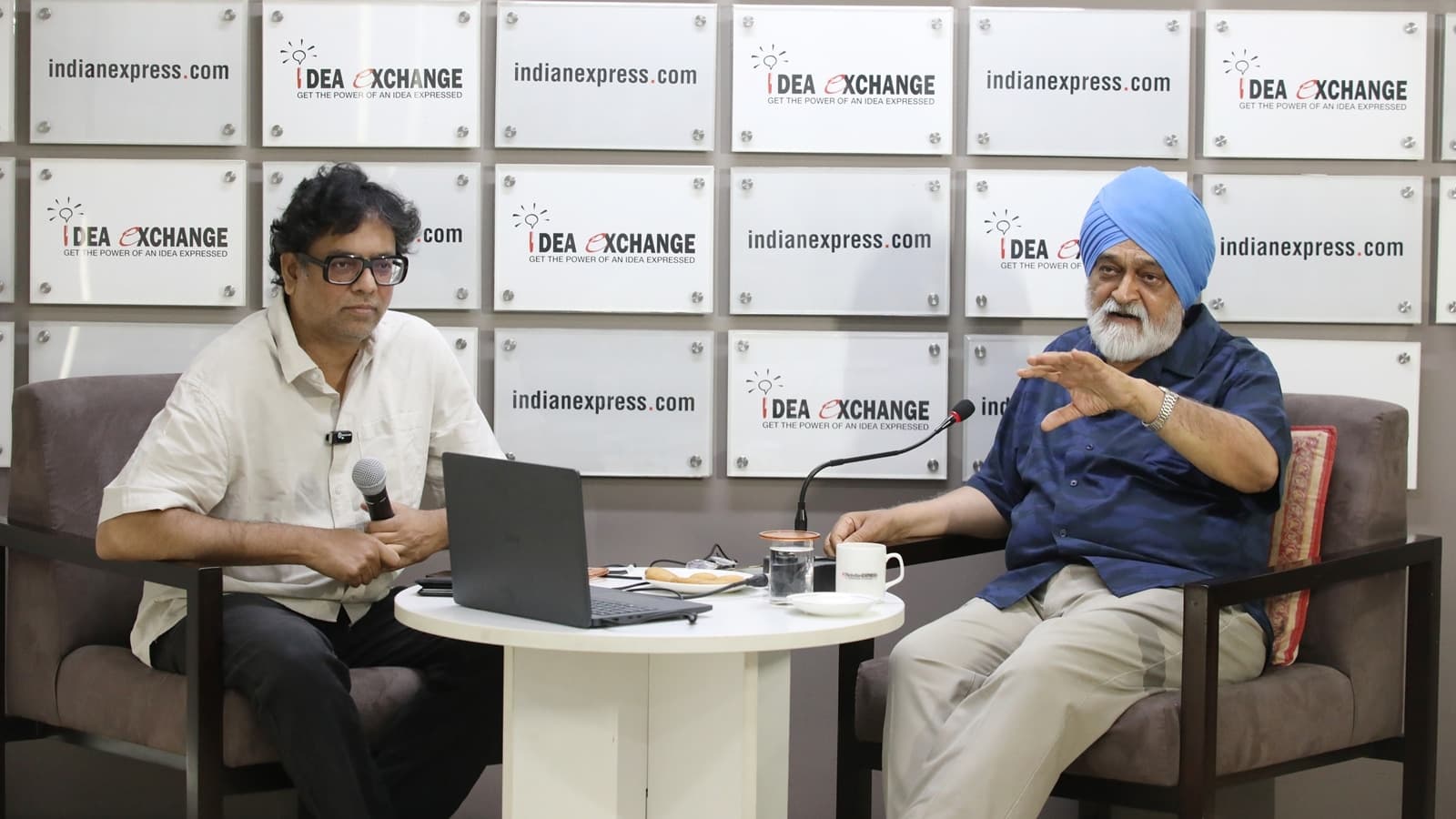
Montek Singh Ahluwalia highlights key economic challenges for India, emphasizing the need for a strategic approach to balance payments and investment.
Indian Express