

Image: Times of India
A billionaire criticizes the Giving Pledge by Gates and Musk, calling it 'wrong.' Explore the implications of wealth and philanthropy in today's society.
GlipzoIn a surprising turn of events, a prominent billionaire has publicly condemned the Giving Pledge, an initiative launched by Bill Gates, Elon Musk, and other wealthy figures, branding it as fundamentally 'wrong.' This statement has sparked a debate about the ethics of philanthropy and the responsibilities of the ultra-rich.
The Giving Pledge, established in 2010, encourages billionaires to commit at least half of their wealth to charitable causes during their lifetime or upon their death. This initiative has attracted numerous high-profile signatories who believe in using their wealth to tackle global challenges such as poverty, education, and health. However, the recent backlash highlights rising skepticism surrounding the effectiveness and motivations behind such philanthropic gestures.
In a recent interview, the billionaire, who chose to remain anonymous, criticized the pledge as a misguided approach to addressing societal issues. He argued that: - Philanthropy should not replace government responsibility: He emphasized that wealth distribution should be a systematic government function rather than dependent on the whims of billionaires. - Accountability and transparency: He demanded that wealthy individuals be held accountable for their pledges and questioned the lack of oversight regarding how funds are utilized. - Potential for harm: He warned that large donations can sometimes lead to unintended consequences, such as exacerbating inequality or enabling ineffective organizations.
The billionaire's remarks come at a time when discussions about wealth inequality are more relevant than ever. With the world's richest individuals holding a substantial proportion of global wealth, the effectiveness of philanthropy is under scrutiny. Critics argue that while charitable giving can alleviate immediate issues, it does not address the root causes of poverty and inequality.
Philanthropy has long been celebrated as a means for the wealthy to give back to society. However, the recent criticism reflects a growing sentiment that: - Philanthropy can perpetuate inequality: Critics claim that wealthy donors may influence social policies in ways that serve their interests rather than the public good. - Philanthropic intentions can be questioned: There is skepticism regarding the motivations behind such pledges, with some suggesting they serve as tax shelters or public relations strategies.
In response to the criticism, advocates of the Giving Pledge argue: - Immediate impact: Donations can provide quick relief to pressing issues, such as disease outbreaks or natural disasters. - Innovation in social solutions: Philanthropy can stimulate innovative approaches to solving complex problems that government programs may not address effectively. - Inspiration for others: High-profile giving can inspire other wealthy individuals to contribute, amplifying the impact on societal issues.
As the debate over the ethics and effectiveness of wealth distribution continues, it is clear that the conversation surrounding philanthropy is evolving. The billionaire's critique adds to a growing chorus calling for a reevaluation of how wealth is used to influence societal change.
In conclusion, the recent criticism of the Giving Pledge sheds light on the complexities surrounding wealth, power, and societal responsibility. As discussions evolve, the implications for both the wealthy and the communities they seek to help could reshape the landscape of philanthropy in the years to come.
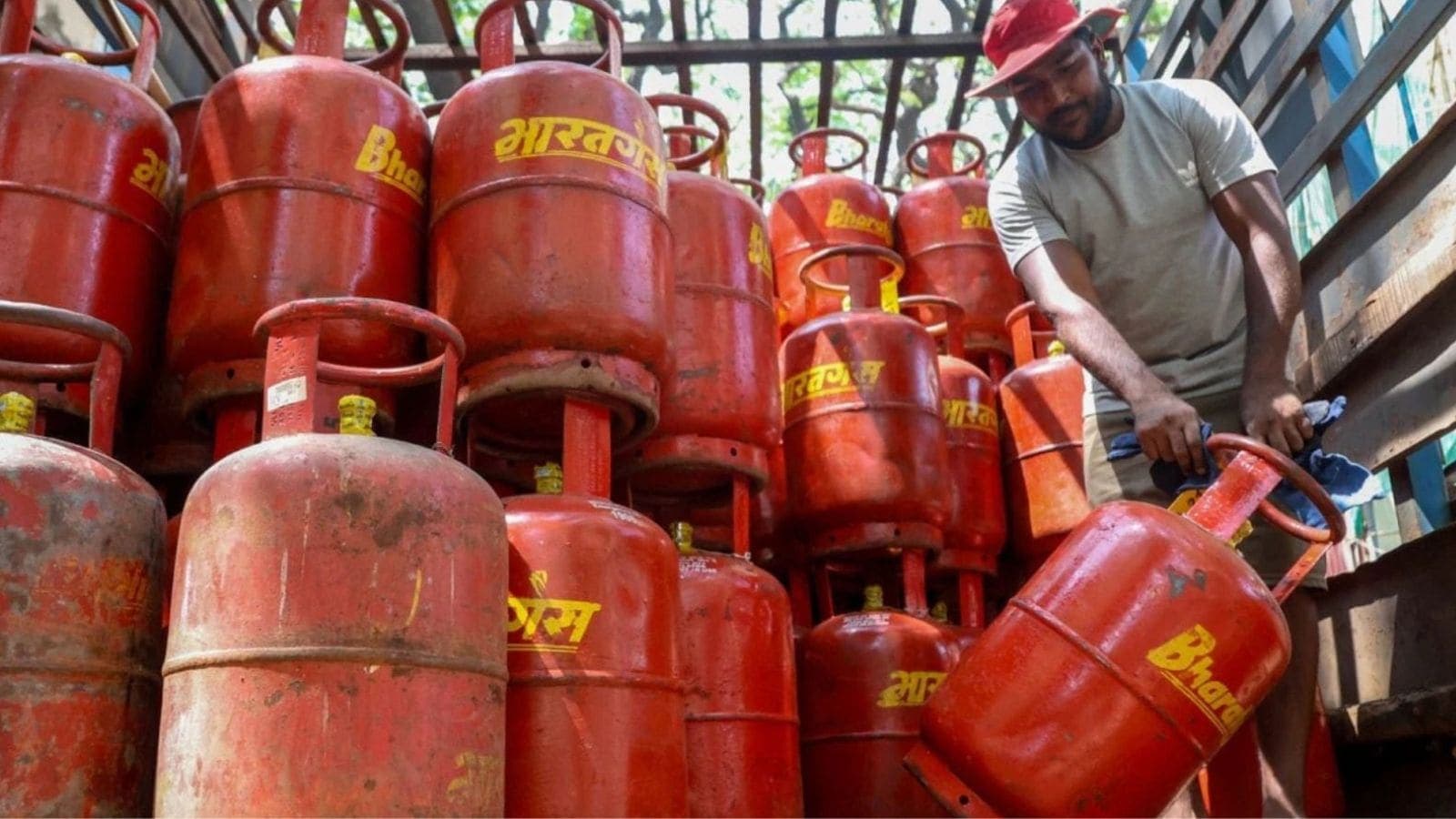
Commercial LPG prices have risen again, with increases of ₹42 in Delhi and ₹53.50 in Kolkata impacting businesses and consumers alike. Find out more.
Indian Express
Discover how a tragic coal mine explosion in Shanxi, China, reveals ongoing safety concerns in the industry amidst a push for green energy.
BBC Business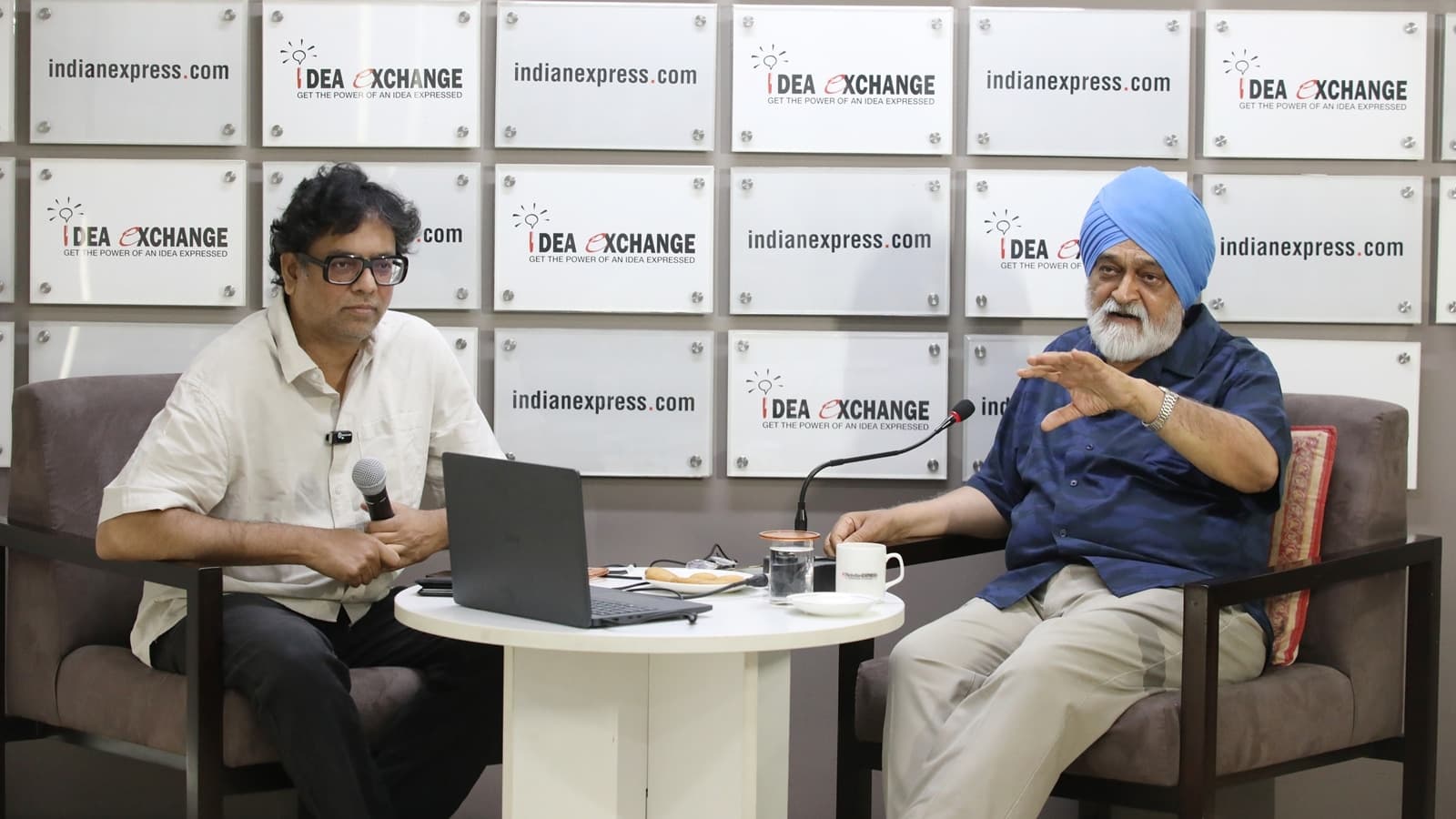
Montek Singh Ahluwalia highlights key economic challenges for India, emphasizing the need for a strategic approach to balance payments and investment.
Indian Express