
Image: Mint (Business)
Explore how the West Asia war is reshaping India's wheat trade, benefiting farmers in Bihar and Uttar Pradesh through new export routes to Bangladesh and Nepal.
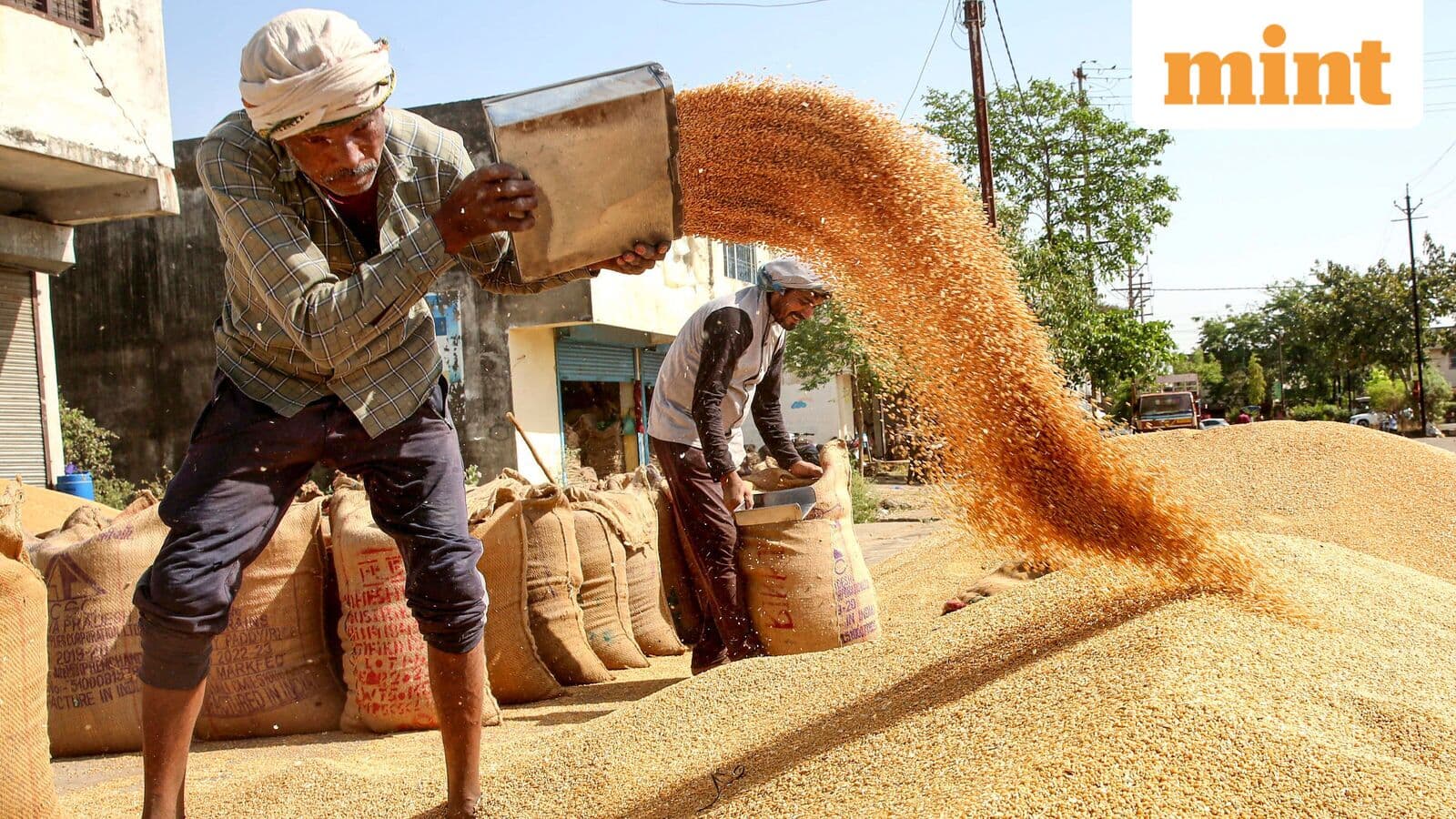
GlipzoRecent conflicts in West Asia have thrown a wrench into global wheat markets, particularly affecting India's position as a major exporter. With shipping costs soaring and uncertainties in sea-bound routes, Indian exporters are now redirecting their focus towards neighboring land-border markets, specifically targeting Nepal and Bangladesh. This strategic pivot not only enhances the speed and reliability of wheat transportation but also promises better financial returns for farmers in key states like Bihar and Uttar Pradesh.
The decision to reopen wheat exports comes after nearly four years of restrictions, coinciding with an impressive rabi harvest season. As the country anticipates a historic wheat production of 120 million tonnes for the current fiscal year, farmers are positioned to capitalize on these changing dynamics.
Uttar Pradesh leads the nation in wheat production, contributing approximately 36 million tonnes annually, which accounts for about 30% of India's total wheat output. Meanwhile, Bihar, ranked sixth in production, contributes about 8 million tonnes to the national harvest. According to Bimal Kothari, chairman of the India Pulses and Grains Association (IPGA), the geographical advantage of these states is significant.
> "Farmers of Bihar and Uttar Pradesh are strategically positioned to achieve better prices for their wheat due to their proximity to neighboring markets like Bangladesh and Nepal," Kothari noted.
The ongoing conflict in Ukraine and Russia has disrupted global wheat supplies, particularly affecting shipments through the Red Sea. This has led to an increase in international wheat prices, translating into a 5-10% premium over domestic mandi rates for Indian farmers.
Bihar and Uttar Pradesh's advantages extend beyond just production volume; their proximity to border countries facilitates quicker and cheaper exports.
Binod Anand, a member of the government’s Minimum Support Price (MSP) committee, emphasizes that transport costs are a crucial factor in maintaining export competitiveness.
> "Moving wheat from northern states like Punjab and Haryana to major ports incurs much higher freight costs compared to shipping from eastern states to Bangladesh," Anand stated.
Bangladesh stands out as a significant opportunity for Indian wheat exporters. With consumption figures around 7 million tonnes, of which 6 million tonnes are imported, the demand is substantial. Similarly, Nepal's wheat import requirements range from 1.0 to 1.5 million tonnes out of a total consumption of about 2 million tonnes.
Navneet Chitlangia, a trader, predicts that Bangladesh will emerge as a lucrative destination for Indian wheat, thanks to the lower transportation costs associated with shipments from Bihar and Uttar Pradesh.
> "Farmers in these regions are likely to experience improved price realizations as exporters focus on sourcing wheat closer to ports and border points," Chitlangia explained.
Farmers in districts adjacent to Bangladesh, particularly those in eastern Uttar Pradesh and Bihar, are set to benefit from this shift in trade routes. The logistical advantages mean their wheat can be sold at more competitive prices, opening doors to new markets beyond domestic procurement.
The redirection of wheat exports from India to neighboring countries like Bangladesh and Nepal is not just about immediate profits; it reflects a broader transformation in the agricultural supply chain. As geopolitical tensions reshape global trade, Indian farmers, particularly in the eastern states, are strategically positioned to leverage these changes.
Looking ahead, several factors will be crucial to monitor: - Weather conditions, as they could affect crop yields and overall production. - The ongoing global situation, especially concerning Russia and Ukraine, which may continue to impact wheat availability and prices. - The responsiveness of Indian exporters to capitalize on the evolving demand in neighboring markets.
In conclusion, as the wheat trade landscape evolves due to international conflicts, farmers in Bihar and Uttar Pradesh stand on the brink of a potential economic windfall. By tapping into the burgeoning markets of Bangladesh and Nepal, these agricultural producers may find a sustainable path forward amid global uncertainties.
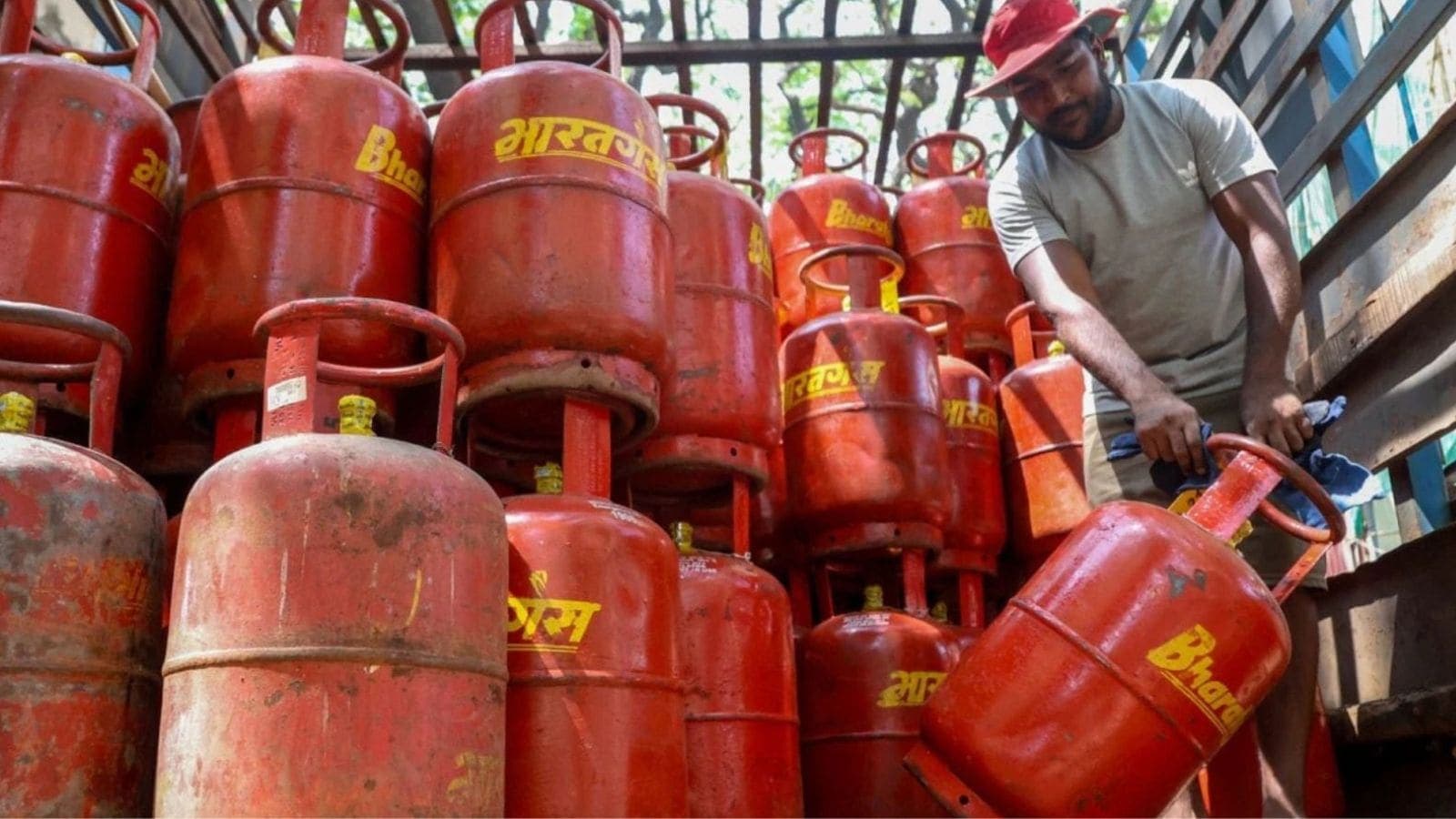
Commercial LPG prices have risen again, with increases of ₹42 in Delhi and ₹53.50 in Kolkata impacting businesses and consumers alike. Find out more.
Indian Express
Discover how a tragic coal mine explosion in Shanxi, China, reveals ongoing safety concerns in the industry amidst a push for green energy.
BBC Business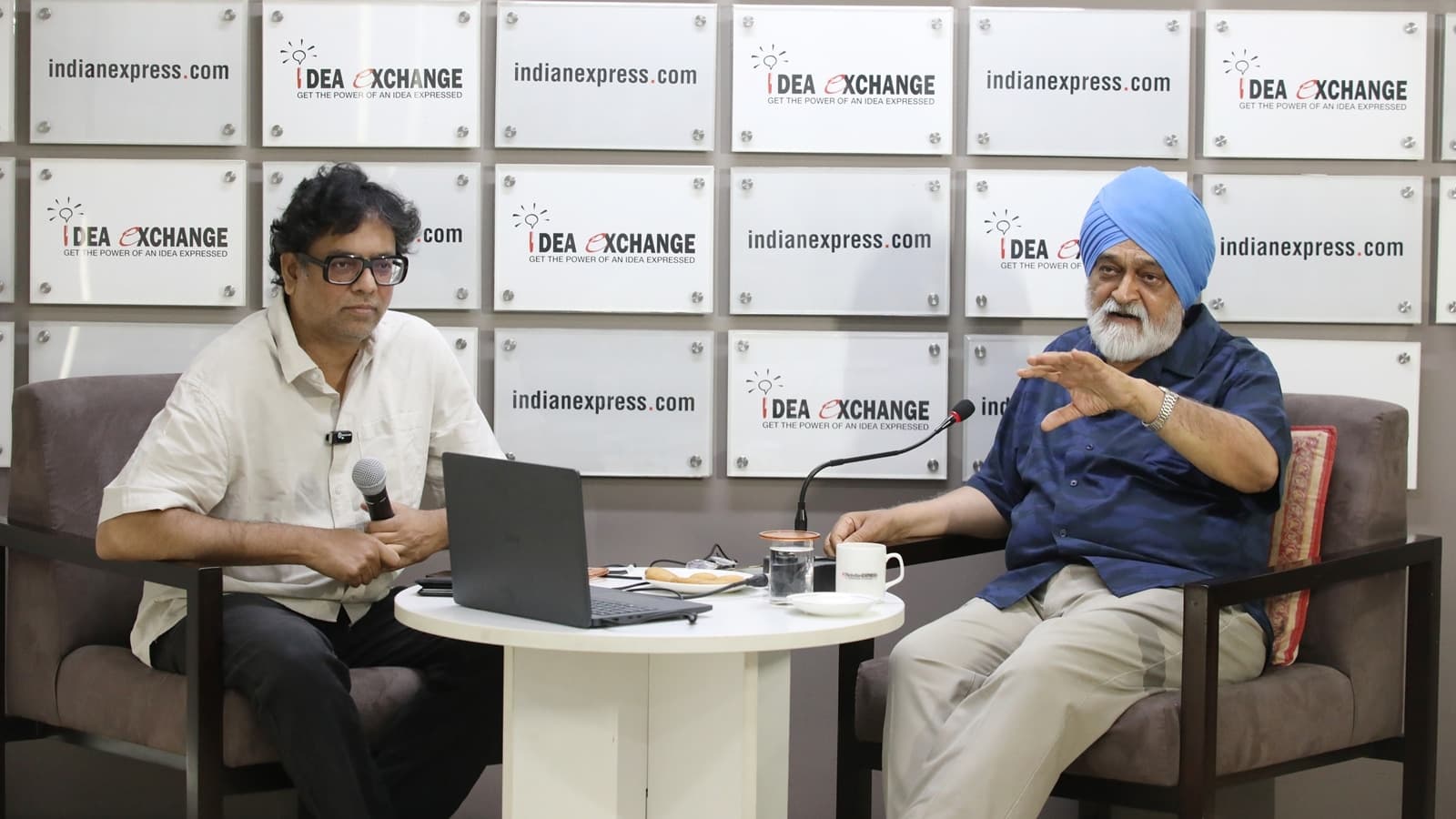
Montek Singh Ahluwalia highlights key economic challenges for India, emphasizing the need for a strategic approach to balance payments and investment.
Indian Express