
Image: BBC Business
Enough's misleading DNA self-swab kit ads banned by ASA for unproven claims. Learn why this matters for victims and the future of sexual assault support.
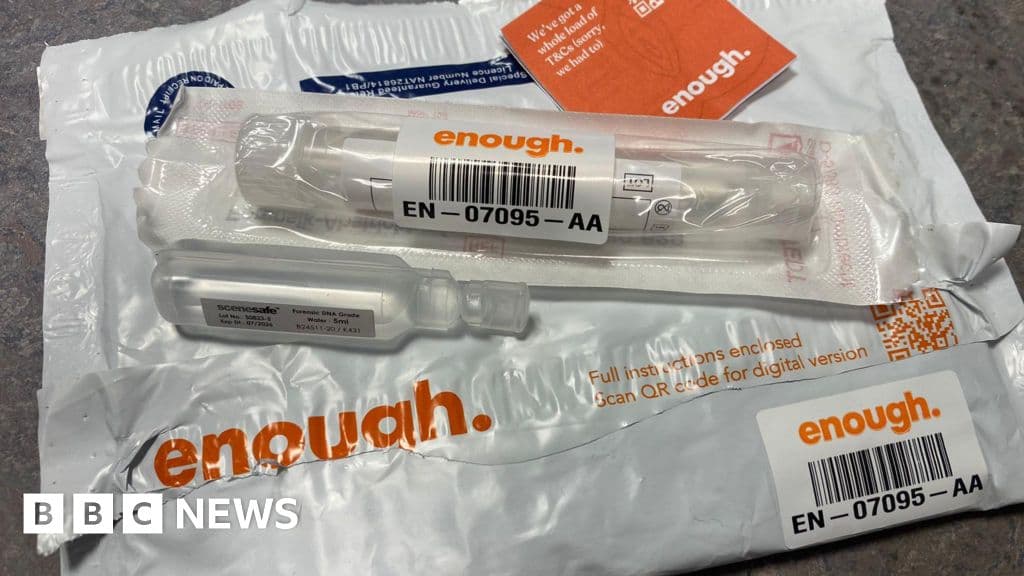
GlipzoIn a significant ruling, the Advertising Standards Authority (ASA) has banned advertisements from Enough, a company offering self-swab DNA testing kits intended for victims of sexual assault. The ASA determined that Enough's promotional materials contained misleading claims regarding the admissibility of evidence gathered from their kits in court and overstated statistics related to sexual violence in the UK.
The controversy was ignited by a complaint from Sir Martin Narey, a veteran in the criminal justice system who previously led the Prison and Probation Services in England and Wales. He expressed concern that the company's advertisements were instilling fear in young women and their parents by exaggerating the risks of rape. Narey stated, "I thought they were frightening young women and terrifying their parents by exaggerating the likelihood of being raped."
The ASA's decision followed an investigation into Enough's website, LinkedIn posts, and a GoFundMe page that were found to make unsubstantiated claims. For instance, Enough asserted that a woman is twice as likely to be raped than diagnosed with cancer—a claim that was criticized for lacking empirical support. The Office for National Statistics (ONS) reported that 71,227 rapes were documented by police in 2024, but Enough suggested that the true number could be significantly higher due to unreported cases.
Narey, who initially supported Enough's mission through initiatives like the Dads for Daughters group, grew increasingly wary of the company's messaging, particularly regarding the reliability of the DNA evidence collected via self-swabbing. He emphasized, "The awful truth is that young women and parents have bought these kits in the hope that it might help in the awful event of their daughter being harmed. They hope that that might bring someone to justice. It's likely to do the reverse."
Launched in Bristol last year, Enough has distributed these self-swab kits for free to students and sells them online for £20. The kits are designed to allow individuals who suspect they have been assaulted to collect DNA samples at home, with the intention of storing the results for potential future use. However, forensic experts have raised alarms about the reliability of these DIY kits, warning that they could provide victims with false hope.
In a joint statement released by the Faculty of Forensic and Legal Medicine in September 2024, experts cautioned against the use of self-swab kits, highlighting the potential risks to survivors when such kits are not properly validated or used without the right guidance. They asserted that these kits could endanger survivors rather than aid them.
The ASA upheld all complaints against Enough, demanding that the company refrain from making claims about the legal admissibility of evidence gathered through its self-testing kits unless it can substantiate those assertions. Moreover, Enough was instructed not to make claims about the incidence of rapes or the number of women affected without adequate evidence.
Miles Lockwood, the ASA's director of Complaints and Investigations, reiterated the seriousness of the issue, stating, "The problem with these adverts was that Enough gave an impression that you could have more confidence in the reliability of the DNA evidence you would collect through these test kits than was actually the case."
Lockwood emphasized the need for high levels of evidence when promoting products for those who have experienced trauma, particularly in such a sensitive area.
In light of the ASA's ruling, Enough has publicly stated that it respects the authority's decision and has made efforts to revise its advertising language to clarify its claims. The controversy surrounding these self-swab kits highlights a crucial intersection of public health, legal integrity, and the urgent need for accurate information regarding sexual violence.
The implications of this ruling extend beyond the immediate concerns about misleading advertisements; they underscore the necessity for a more nuanced and responsible approach to how companies communicate about sensitive subjects like sexual assault. As Enough recalibrates its messaging, stakeholders in the field, including advocates for victims and legal professionals, will be watching closely to see how the company adapts.
The ASA's decisive action against Enough serves as a wake-up call for organizations operating in sensitive areas like sexual health and justice. It stresses the importance of accurate information in advertising, particularly when it pertains to vulnerable populations. As misinformation can lead to harmful consequences, especially for victims of trauma, the ruling reinforces the necessity for transparency and integrity in all communications.
As we look to the future, it will be essential to monitor how the conversation around self-swab kits evolves. Advocates for sexual assault survivors and legal experts alike will be keen to ensure that any products that emerge in this space are rigorously validated and presented with proper context to avoid further victimization or misunderstanding.
In conclusion, the ASA's ruling not only impacts Enough but also sets a precedent for how similar organizations must approach their advertising and outreach efforts, prioritizing the well-being and rights of survivors above all else.
Shocking findings from Nottingham's maternity unit reveal a toxic culture and alarming neglect. What can be done to improve care? Discover the details.
BBC Health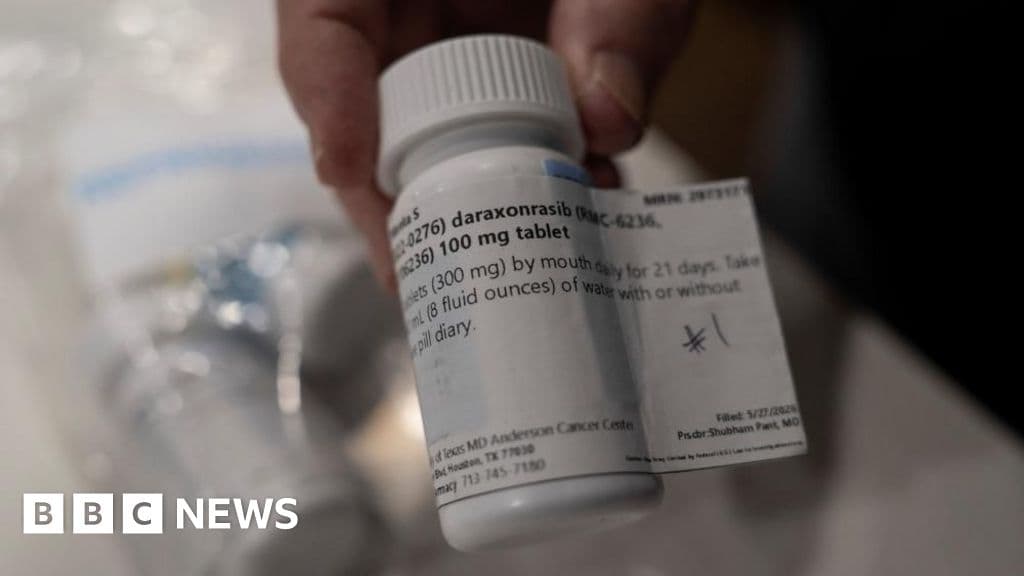
Discover how daraxonrasib, a new pill, is nearly doubling survival rates for pancreatic cancer patients, offering hope in a challenging battle against this deadly disease.
BBC Health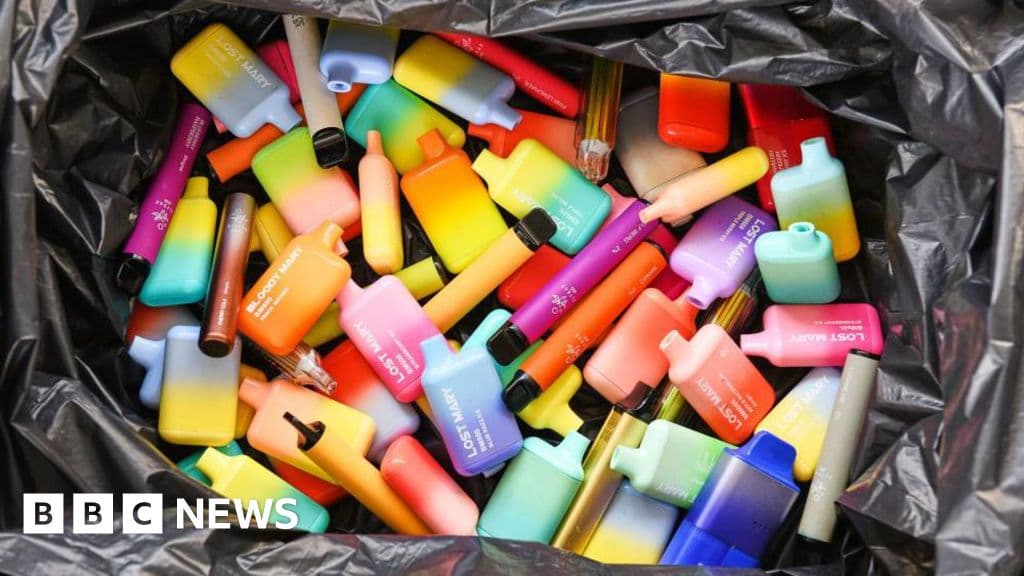
Waste companies propose a £5 deposit on vapes to encourage proper disposal and curb littering as the environmental impact of vapes increases.
BBC Business