
Image: BBC Business
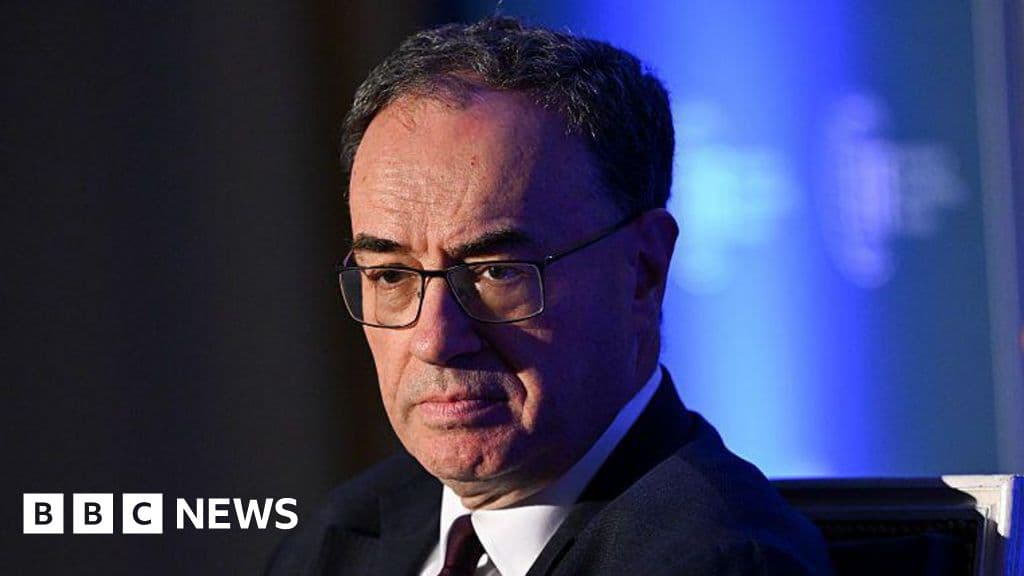
Bank of England's Andrew Bailey confirms cautious approach to interest rates amid rising energy costs and geopolitical tensions. Key decisions await.
GlipzoIn a recent interview, Andrew Bailey, the Governor of the Bank of England, emphasized a careful approach regarding potential interest rate increases. Speaking to the BBC while attending the International Monetary Fund (IMF) meeting in Washington, he acknowledged the ongoing "very big energy shock" stemming from escalating oil and gas prices. This situation raises the stakes for economic policy as the Bank prepares for its next meeting on April 30.
Bailey indicated that while higher energy prices are poised to influence overall pricing in the UK, a multitude of factors complicates the decision-making process. He noted, "There are a lot of uncertainties around this, not just how it's going to play out, but also how it's going to pass through into the UK economy." The urgency of the situation has heightened, especially following the recent conflict in the Middle East, which the IMF has warned against prompting rapid hikes in borrowing costs.
During the IMF's recent deliberations, officials cautioned that central banks should avoid hasty decisions to increase interest rates in light of geopolitical tensions. Before the onset of the US-Israeli attacks on Iran about six weeks ago, there had been expectations that the Bank of England might lower its rates later in the year. However, the looming threat of rising energy costs has shifted that outlook, leading to speculation that rates may be maintained or even increased.
Typically, central banks respond to rising inflation by increasing interest rates to temper consumer demand. Conversely, in times of economic slowdown, they lower rates to stimulate borrowing and spending. The current scenario, where energy prices rise, could simultaneously push inflation upward while constraining economic growth, presenting a multifaceted challenge for policymakers.
Bailey articulated the complexities of the current situation, stating, "There's really difficult judgments to be made." He emphasized that it is premature to draw definitive conclusions regarding how the ongoing conflict will affect the UK economy or consumer prices. Despite earlier signs indicating that the UK labor market was softening and businesses were struggling to pass on rising costs, Bailey insisted that the Bank must await further data to gauge the full impact of the conflict.
He acknowledged that the UK's reliance on gas as a primary energy source means that disruptions could have significant consequences, particularly depending on the duration of the conflict. The longer the situation remains unresolved, the greater the potential for economic fallout.
In addition to energy prices, Bailey pointed out the IMF's concerns about the supply of other essential commodities such as sulphur, urea, helium, and naphtha. These products are critical for the global economy, and disruptions in their supply could exacerbate the situation. Bailey remarked on the system's inherent resilience but cautioned that this resilience might dwindle if the conflict lingers.
He stated, "The faster there is a resolution to this situation... the easier and better the outcome will be. This is critical at this moment."
On a more positive note, Bailey expressed confidence in the stability of the banking sector. He dismissed concerns over potential over-regulation and highlighted that a well-functioning financial system is one where crises do not occur. He believes that maintaining stability through sensible fiscal policies and credible central bank actions will be paramount for homeowners and borrowers worried about rising costs.
Bailey's insights come at a time when UK Chancellor Rachel Reeves has voiced strong criticism of the ongoing conflict in Iran, emphasizing its repercussions on prices and economic growth. Meanwhile, US Treasury Secretary Scott Bessent suggested that some economic discomfort could be a necessary trade-off for long-term security, citing concerns over potential nuclear threats.
As the Bank of England prepares for its upcoming meeting, all eyes will be on how policymakers navigate these turbulent waters. The interplay between rising energy costs, inflation, and economic growth poses a significant challenge. Market participants and analysts will be closely monitoring data trends and geopolitical developments to gauge the Bank's next moves.
Moving forward, it will be essential for the Bank of England to balance the need for stability in interest rates with the pressures of inflation. The decisions made in the coming months will not only impact the UK economy but could also set a precedent for how central banks around the world respond to similar crises. With uncertainty still looming, the focus will remain on the evolving situation in the Middle East and its potential ramifications for global economic stability.
As we approach the April 30 meeting, stakeholders will be eager to see how the Bank's policies adapt to the changing landscape and what this means for consumers and businesses alike.
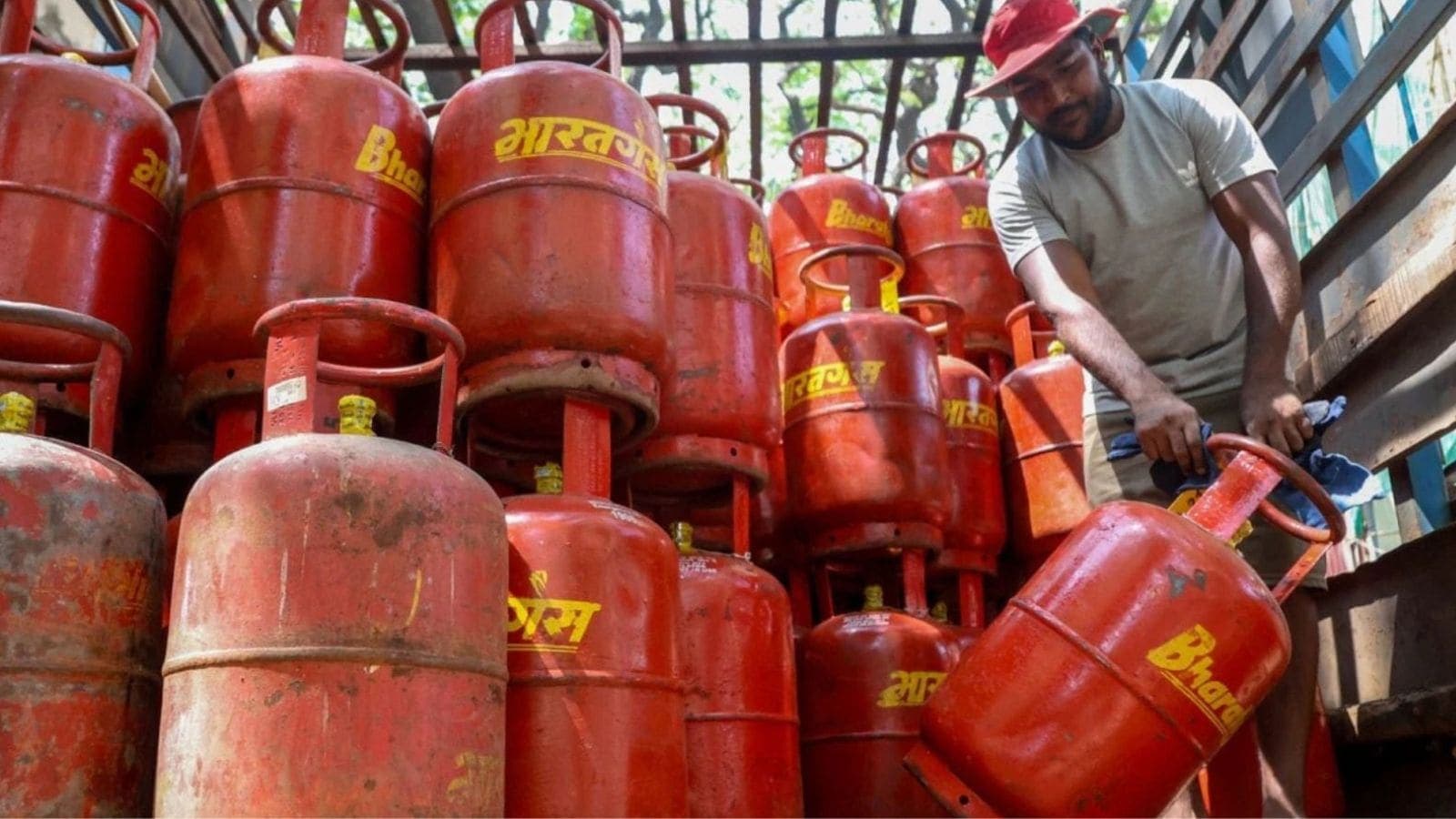
Commercial LPG prices have risen again, with increases of ₹42 in Delhi and ₹53.50 in Kolkata impacting businesses and consumers alike. Find out more.
Indian Express
Discover how a tragic coal mine explosion in Shanxi, China, reveals ongoing safety concerns in the industry amidst a push for green energy.
BBC Business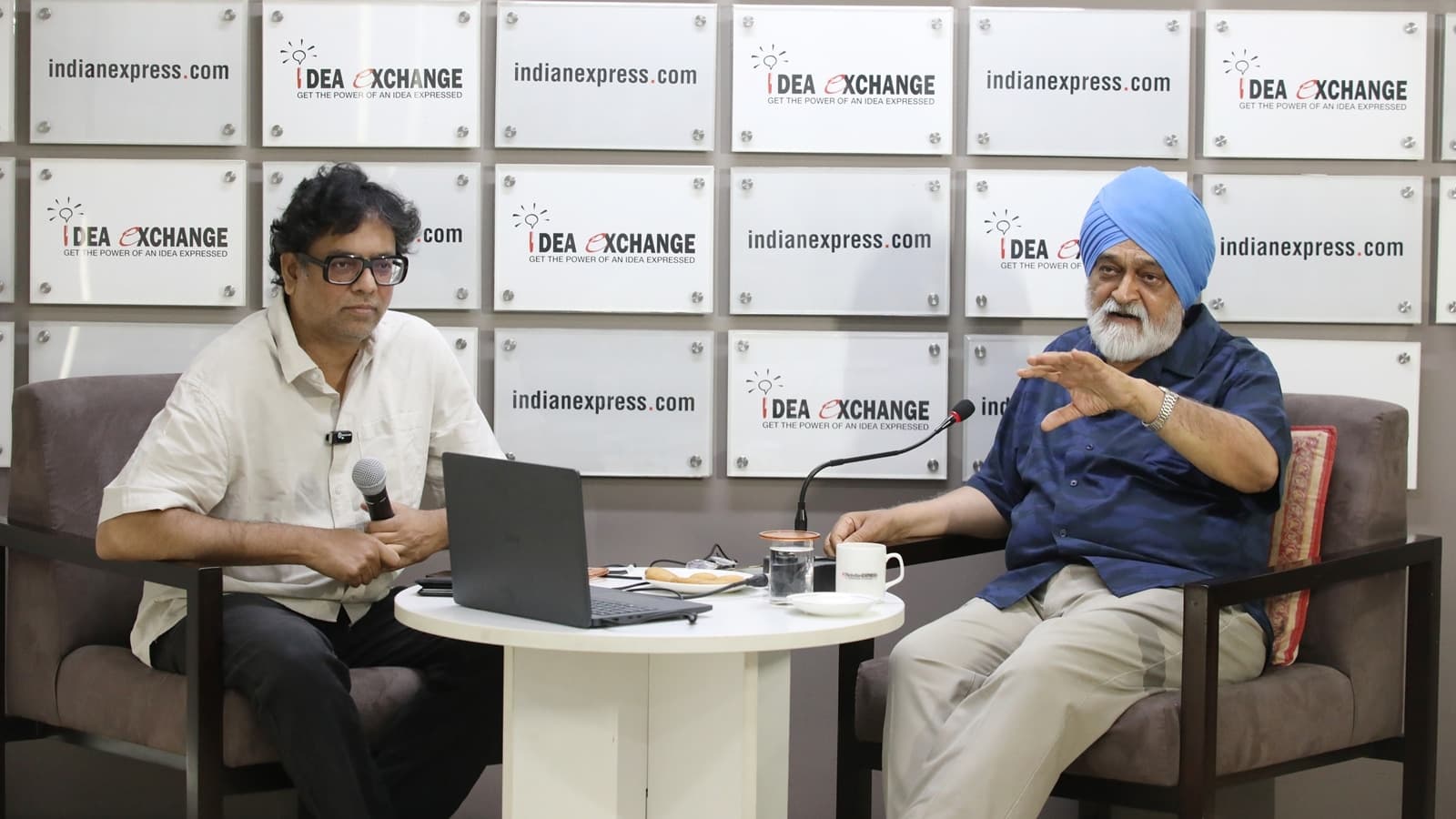
Montek Singh Ahluwalia highlights key economic challenges for India, emphasizing the need for a strategic approach to balance payments and investment.
Indian Express