
Image: BBC World
Can Australia become the first country to eliminate cervical cancer? Discover the groundbreaking vaccines and strategies driving this ambitious public health goal.
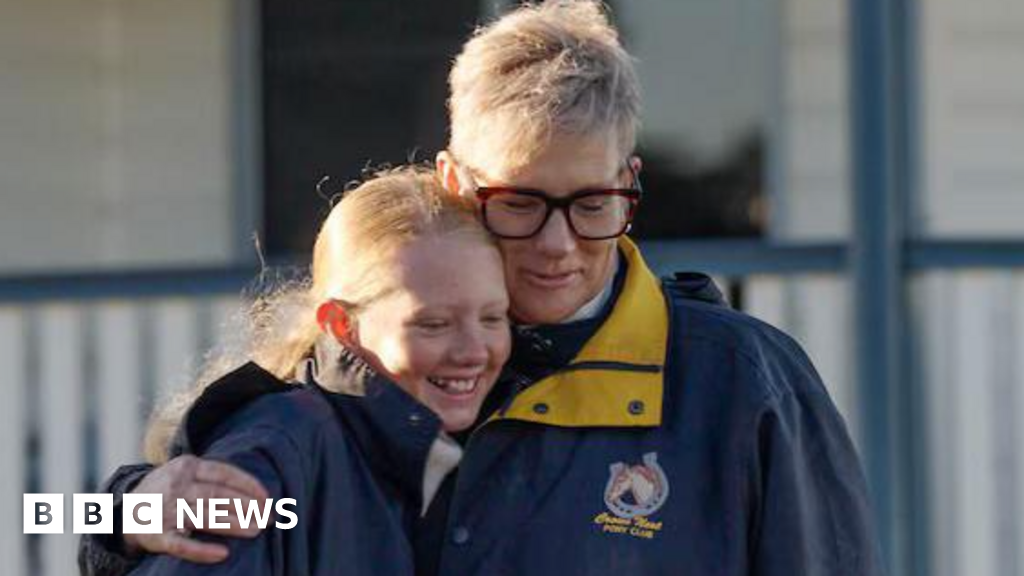
GlipzoIn a heart-wrenching journey, Chrissy Walters faced a devastating diagnosis just six months after welcoming her first child. Living in Toowoomba, a quaint city two hours from Brisbane, the 39-year-old endured a life-altering moment when she learned that she had advanced cervical cancer. After years of struggling with infertility, the news came as a shock. "I just said to [my husband] Neil… there has been a huge mistake," recalls Walters, reflecting on the moment her world turned upside down.
Walters has spent over a decade battling her illness, undergoing various treatments that have taken a toll on her body and spirit. Despite her efforts, the cancer has now spread, and doctors have informed her that her diagnosis is terminal. "I would never wish [this] on my worst enemy," she expresses, highlighting the profound impact of her condition, not just on her but also on her 12-year-old daughter, who has been forced to confront the reality of her mother's illness from a young age.
As her daughter approaches the age for vaccination, there’s a glimmer of hope amid the shadows of despair. Australia aims to become the first nation to eliminate cervical cancer, and the rollout of the human papillomavirus (HPV) vaccine is a crucial part of this initiative. In 2026, as her daughter is set to receive the vaccine, the hope is that the next generation will not face the same battle.
Australia's commitment to eradicating cervical cancer hinges on its robust National Immunisation Programme, which includes the HPV vaccine. This initiative not only protects against HPV, a leading cause of cervical cancer, but it also represents a significant shift in public health policy.
Prof. Karen Canfell, a leading epidemiologist in cervical cancer control, emphasizes the significance of this initiative. She notes that in Australia, it feels like everyone knows someone affected by cervical cancer, which underscores the urgency of the situation. The World Health Organization (WHO) has recognized Australia as a model for cervical cancer prevention, thanks to its innovative public health strategies.
In conjunction with the vaccination program, Australia has also made strides in cervical cancer screening. In 2017, the country transitioned from the traditional Pap smear to a more sensitive HPV-based screening method, which is now only required every five years. This change has made screening more accessible and efficient, allowing for earlier detection of potential issues.
Additionally, the introduction of self-collection for samples has been described as a “game-changer,” particularly for those who may feel uncomfortable during pelvic exams or face barriers to accessing healthcare. This approach aims to increase participation rates in screening, ultimately leading to better health outcomes.
It's important to clarify what it means to eliminate cervical cancer. According to health experts, this does not imply that cervical cancer will completely vanish. Instead, elimination is defined as achieving fewer than four cases of cervical cancer per 100,000 people. Reports indicate that Australia is on track to reach this target by 2035, with the possibility of achieving it even sooner given the current momentum.
Since records began in 1982, the incidence of cervical cancer has decreased significantly, thanks to these public health measures. This success story serves as a powerful example of how systematic vaccination and screening can lead to substantial reductions in cancer rates.
The implications of Australia’s efforts to eliminate cervical cancer extend far beyond its borders. Achieving this ambitious goal could set a global standard for cancer prevention. The outcomes of this initiative could inspire other nations to adopt similar strategies, potentially leading to a worldwide decrease in cervical cancer cases.
Furthermore, the emotional and psychological impact of cervical cancer on families, like that of Chrissy Walters, emphasizes the need for continued support and innovation in cancer care. As Australia moves forward with its vaccination and screening programs, the hope is that future generations will not have to endure the same struggles, allowing families affected by cancer to envision a brighter future.
As Australia continues its race against time to eliminate cervical cancer, several key factors will play a role in determining its success: - Continued public education about the importance of vaccination and screening. - Investment in healthcare infrastructure to ensure that all communities have access to these vital services. - Collaboration with international health organizations to share findings and strategies that can benefit a global audience.
As the next generation prepares to receive the HPV vaccine in 2026, the commitment to eradicating cervical cancer is more than just a medical initiative; it is a movement toward a healthier future for all. The world will be watching as Australia strives to achieve what has never been done before: the elimination of a cancer that has affected countless lives.
This bold endeavor not only represents hope for those currently battling the disease but also a promise to future generations that they may live in a world where cervical cancer is no longer a threat.

Shocking findings from Nottingham's maternity unit reveal a toxic culture and alarming neglect. What can be done to improve care? Discover the details.
BBC Health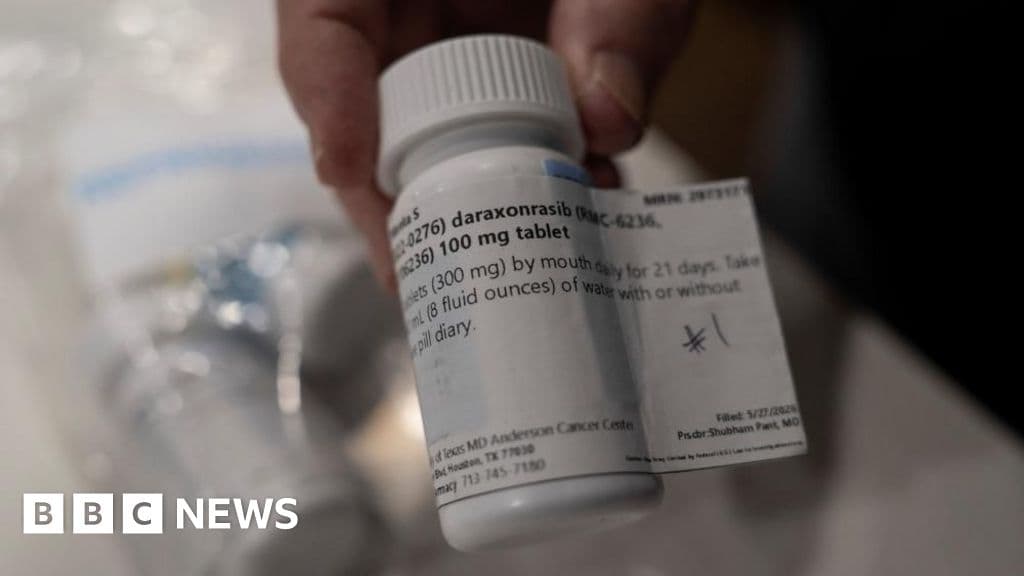
Discover how daraxonrasib, a new pill, is nearly doubling survival rates for pancreatic cancer patients, offering hope in a challenging battle against this deadly disease.
BBC Health
Waste companies propose a £5 deposit on vapes to encourage proper disposal and curb littering as the environmental impact of vapes increases.
BBC Business