
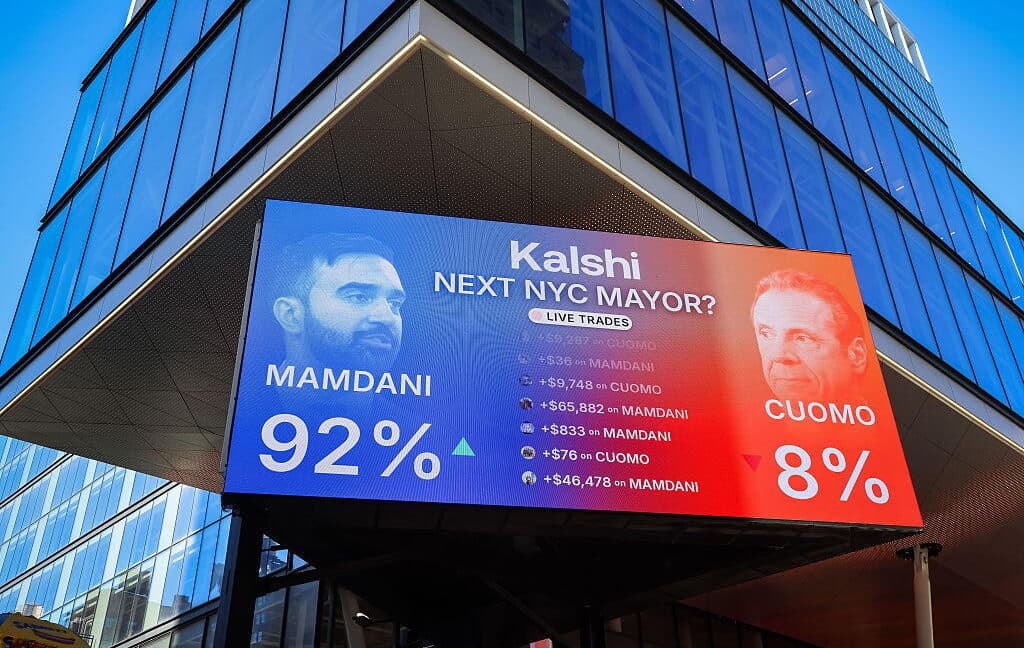
Image: Ars Technica
Arizona Attorney General files criminal charges against Kalshi for illegal gambling on elections, potentially reshaping the prediction market landscape.
GlipzoIn a significant legal move, Arizona's Attorney General, Kris Mayes, has initiated criminal charges against the prediction market platform Kalshi. This action comes amid allegations that Kalshi has been running an illegal gambling operation by allowing bets on elections without proper licensing. The charges were officially filed on Tuesday, emphasizing the state's stance against unauthorized gambling activities, particularly those involving electoral events.
Mayes stated, "Kalshi may brand itself as a ‘prediction market,’ but what it’s actually doing is running an illegal gambling operation and taking bets on Arizona elections, both of which violate Arizona law." This declaration highlights the state's commitment to enforcing its gambling regulations and protecting the integrity of its electoral process.
This case marks a pivotal moment for Kalshi, as it is the first instance of criminal charges being levied against the company in the United States. Legal experts, including Daniel Wallach, who specializes in gaming law, foresee a potential ripple effect across other states. "There’s clearly going to be a domino effect," Wallach commented, indicating that similar actions might follow in other jurisdictions.
Kalshi has faced scrutiny beyond Arizona. Several states have previously alleged that the platform's operations resemble illegal sports betting rather than legitimate prediction markets. As it stands, Kalshi's core business is centered around sports markets, which contribute roughly 90% of its trading volume and revenue. In fact, during this past Super Bowl season, trades on its platform surpassed $1 billion.
In response to the allegations, Kalshi expressed its discontent with how state regulations are being applied. The company stated, "Sadly, a state can file criminal charges on paper-thin arguments. States like Arizona want to individually regulate a nationwide financial exchange, and are trying every trick in the book to do it." This statement underscores the tension between state regulators and emerging financial platforms like Kalshi.
Kalshi argues that its operations should be classified as derivatives, thus falling under the jurisdiction of the Commodity Futures Trading Commission (CFTC). By making this claim, the company seeks to navigate around state-level gambling laws, asserting that federal regulation should take precedence.
The recent charges from Arizona specifically target betting contracts that Kalshi offered on various elections, including the high-stakes 2028 U.S. presidential race and the 2026 Arizona gubernatorial race. Betting on elections is explicitly prohibited under Arizona law, adding another layer of complexity to Kalshi's legal challenges.
This regulatory scrutiny is not isolated to Arizona; other states have also issued cease-and-desist letters to Kalshi, asserting that its operations align more closely with those of an illegal sportsbook. Typically, state regulators oversee sports betting, ensuring compliance with local laws and collecting taxes on gambling revenues. The absence of such oversight in Kalshi's operations raises serious legal questions.
Adding to Kalshi's troubles, a Massachusetts judge ruled against the platform in February, blocking it from offering sports markets within the state. This decision was based on public health and safety considerations, reflecting a growing concern among regulators about the implications of unregulated betting environments.
The backdrop of these legal developments includes Kalshi's recent lawsuit against Arizona's gaming regulator, where it sought an injunction to halt future enforcement actions. Mayes criticized this approach, accusing the firm of prioritizing litigation over compliance with state laws.
As the situation unfolds, the legal landscape for prediction markets like Kalshi remains uncertain. Various courts have taken different stances on Kalshi's attempts to secure injunctions against state regulations. Ultimately, the question of whether these types of platforms should be regulated under state gambling laws may escalate to the U.S. Supreme Court.
The outcome of this case could set a significant precedent for the future of prediction markets and their regulation in the United States. As more states grapple with the complexities of emerging gambling technologies, how they choose to regulate platforms like Kalshi will likely shape the industry for years to come.
In conclusion, as Kalshi navigates the turbulent waters of legal challenges and regulatory scrutiny, the implications of this case extend beyond Arizona and could herald a new era of oversight for prediction markets across the nation.
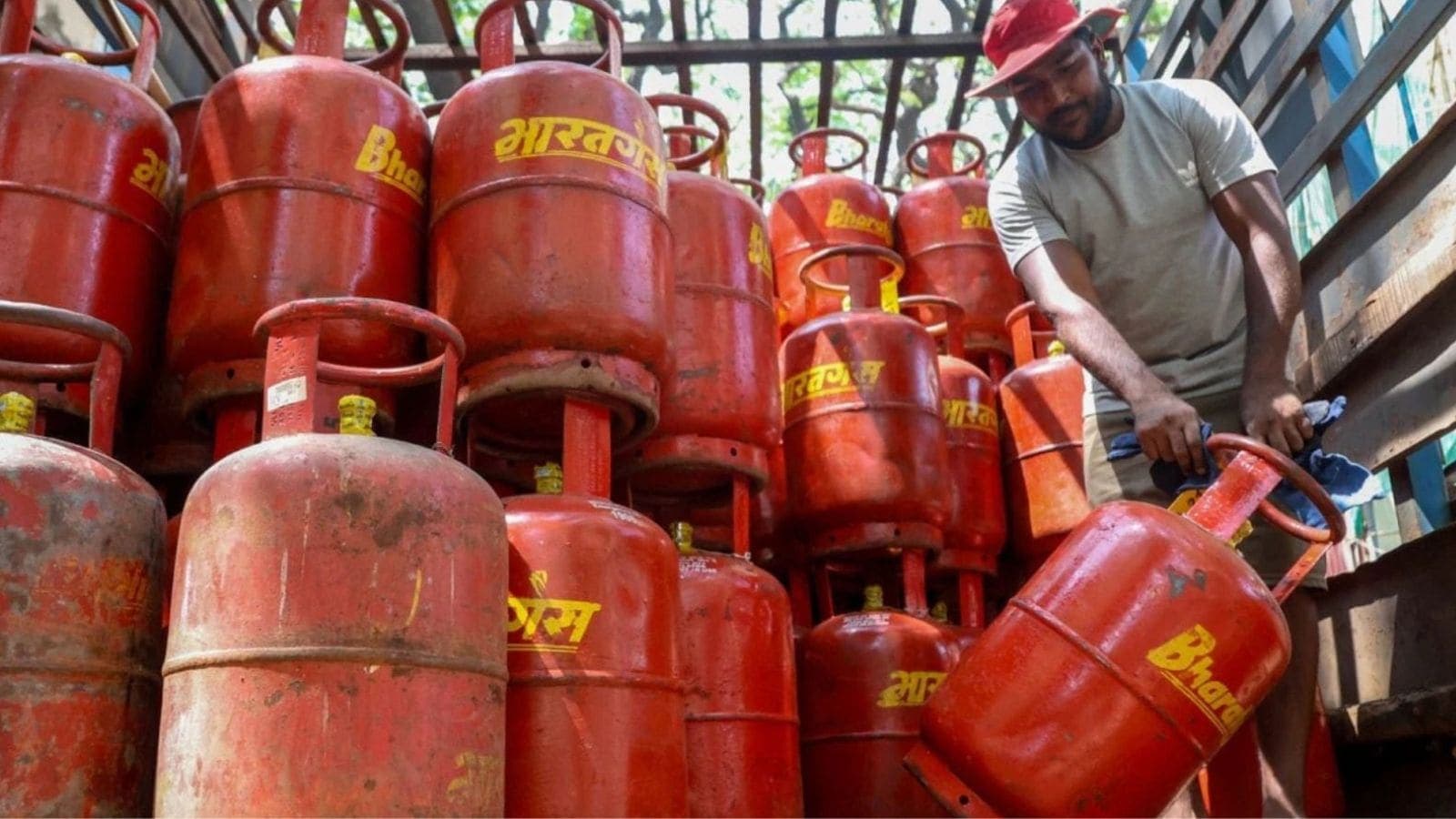
Commercial LPG prices have risen again, with increases of ₹42 in Delhi and ₹53.50 in Kolkata impacting businesses and consumers alike. Find out more.
Indian Express
Discover how a tragic coal mine explosion in Shanxi, China, reveals ongoing safety concerns in the industry amidst a push for green energy.
BBC Business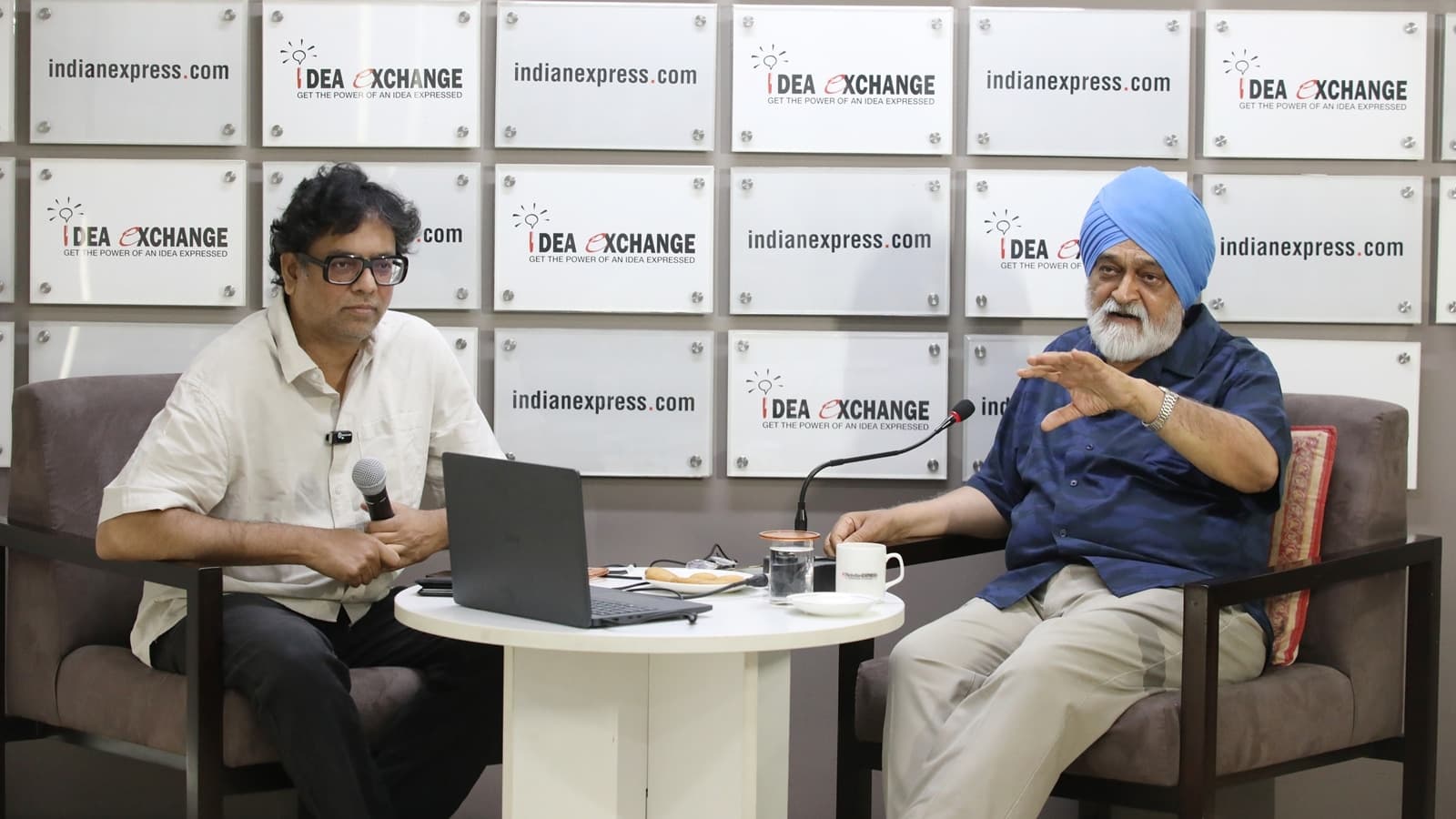
Montek Singh Ahluwalia highlights key economic challenges for India, emphasizing the need for a strategic approach to balance payments and investment.
Indian Express