

Image: Times of India
Amazon's negotiations with USPS end in disappointment after a year. What does this mean for their logistics strategy and future partnerships?
GlipzoIn a surprising turn of events, Amazon has disclosed that its prolonged negotiations with the United States Postal Service (USPS) have concluded without success. After more than a year of discussions, the retail giant has expressed disappointment, stating, "We negotiated with them in good faith for more than a year." This statement sheds light on the complexities of partnerships in the e-commerce and logistics sectors, especially during a time when delivery services are more crucial than ever.
The failed negotiations come at a time when Amazon has been exploring various avenues to enhance its delivery capabilities. As one of the world’s largest online retailers, ensuring efficient and timely delivery has always been a focal point for Amazon. The breakdown in talks with USPS raises questions about the future of logistics partnerships and the potential impacts on Amazon's delivery network.
USPS has traditionally played a significant role in the logistics framework of many e-commerce companies, including Amazon. With over 31,000 retail locations and a vast delivery network, USPS has been instrumental in providing affordable shipping options to businesses and consumers alike. However, the challenges facing USPS, including financial instability and changing consumer behaviors, have complicated relationships with major retailers.
Amazon's decision to explore a partnership with USPS was seen as a strategic move to bolster its last-mile delivery capabilities. Last-mile delivery is crucial for e-commerce success, as it directly affects customer satisfaction. Here are a few key points to consider regarding the USPS partnership:
However, with the breakdown of negotiations, Amazon must now seek alternative solutions to maintain its competitive edge in shipping and logistics.
While Amazon has not disclosed specific reasons for the failure of negotiations, industry experts suggest several potential factors that may have contributed:
The culmination of these factors has left both parties at an impasse, prompting Amazon to seek other logistics solutions.
In light of the unsuccessful negotiations with USPS, Amazon is likely to adjust its logistics strategy to ensure that it can continue to meet customer expectations. The company has already made significant investments in its own delivery infrastructure, including:
Moreover, Amazon's commitment to enhancing its logistics capabilities is evident in its ongoing recruitment efforts for delivery personnel and investments in technology, such as drone delivery.
The implications of Amazon's failed negotiations with USPS extend beyond just the retail giant. The breakdown serves as a critical reminder of the challenges that businesses face when navigating logistics partnerships in an ever-changing environment. For consumers, this situation may lead to potential delays in deliveries or changes in shipping options as Amazon adjusts its logistics strategy.
Additionally, the struggle between e-commerce giants and traditional postal services raises questions about the future of shipping in a digital age. As consumer demands evolve, both Amazon and USPS must adapt to remain relevant in a highly competitive market.
As Amazon forges ahead in the logistics landscape, several factors will be crucial to watch in the coming months:
In conclusion, the fallout from the negotiations between Amazon and USPS highlights the intricate dynamics of logistics partnerships. As both entities navigate their respective challenges, the e-commerce landscape will continue to evolve, shaping the future of delivery services for consumers and businesses alike.
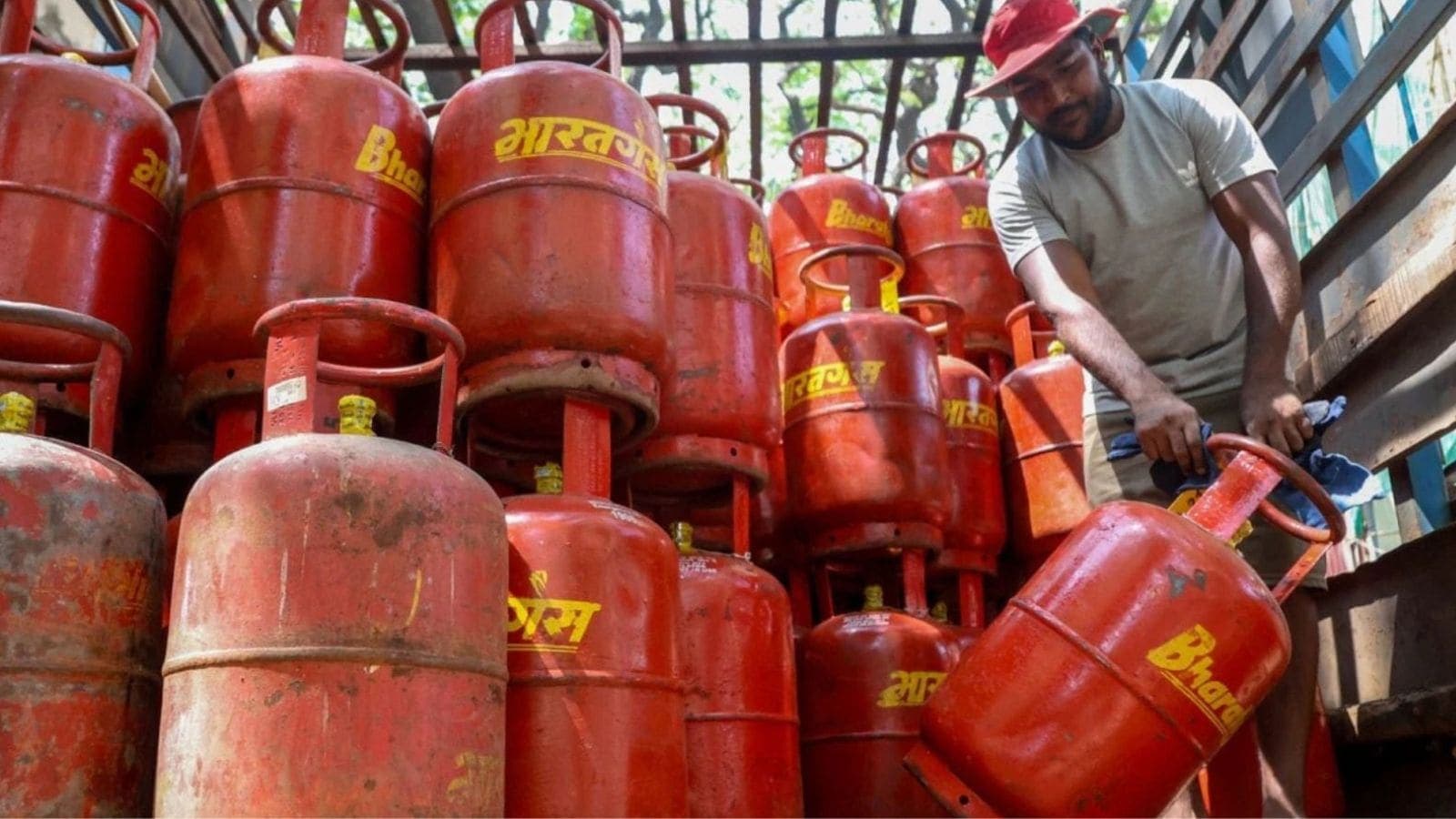
Commercial LPG prices have risen again, with increases of ₹42 in Delhi and ₹53.50 in Kolkata impacting businesses and consumers alike. Find out more.
Indian Express
Discover how a tragic coal mine explosion in Shanxi, China, reveals ongoing safety concerns in the industry amidst a push for green energy.
BBC Business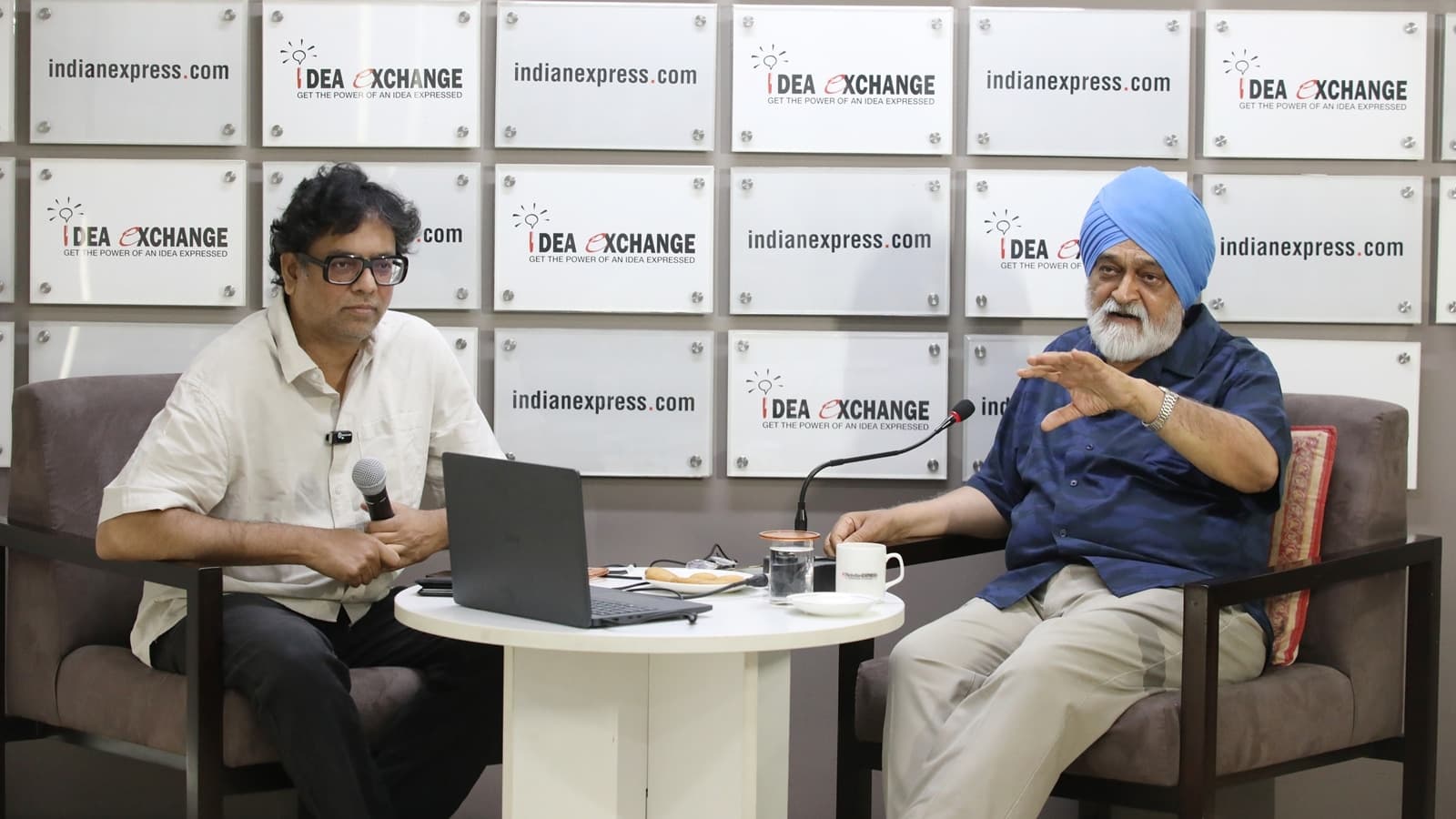
Montek Singh Ahluwalia highlights key economic challenges for India, emphasizing the need for a strategic approach to balance payments and investment.
Indian Express