

Image: Mint (Business)
Amazon's one-hour delivery announcement stirs debate as Indians highlight existing faster services. What does this mean for global e-commerce? Click to find out!
GlipzoIn a game-changing move, Amazon CEO Andy Jassy recently unveiled a new rapid delivery service that aims to revolutionize shopping in the United States. The announcement, made via social media platform X, outlines plans for one-hour and three-hour delivery options for over 90,000 products. This initiative is set to cover a wide array of everyday items, including groceries, household supplies, and electronics, aiming to meet the urgent needs of consumers.
Jassy articulated the motivation behind this service, emphasizing the pressures of last-minute shopping. "Everyone knows what it’s like to scramble to get something done. Missing ingredients before people come over for dinner. Packing school lunches for the morning. Needing new headphones for tomorrow’s flight," he explained. This sentiment resonates with many who find themselves in urgent situations requiring quick solutions.
As part of this rollout, the one-hour delivery option will initially be available in hundreds of cities and towns, while the three-hour option will extend to more than 2,000 locations. Amazon has indicated that it plans to gradually expand this service, making it more accessible to a larger customer base.
However, Jassy’s announcement has ignited a substantial online debate, particularly among Indian social media users who have pointed out that such rapid delivery services are already commonplace in their country. Many users took to X to express their skepticism, highlighting the already robust quick-commerce ecosystem in India.
In India, rapid delivery platforms have transformed consumer expectations. Companies like Blinkit, Zepto, and Swiggy’s Instamart provide deliveries of groceries, snacks, and daily essentials in as little as 10 to 20 minutes. This has led to a cultural shift where ultra-fast deliveries are no longer exceptional but rather an everyday convenience.
These services leverage a network of small warehouses, often referred to as dark stores, strategically located in urban areas to ensure swift delivery. This operational model enables companies to fulfill orders almost instantaneously, catering to the fast-paced lifestyle of many Indian consumers.
The reaction to Amazon's announcement has been mixed, with a predominant sentiment of familiarity rather than novelty. Many Indian users expressed that while the U.S. might view this as a significant advancement, it feels like a replication of services they have been enjoying for years. Comments like, "Indians are getting groceries in 10 minutes" and inquiries such as, "Copied from Blinkit?" highlight this perspective.
For many urban dwellers in India, the expectation is set so high that anything beyond a 20-minute wait for essentials feels like a lapse in efficiency. This shift has influenced how consumers approach online shopping and delivery, pushing companies to innovate and adapt quickly to remain competitive.
The quick-commerce sector in India has witnessed tremendous growth, especially post-pandemic, as more individuals turned to online grocery shopping. This trend has not only changed consumer behavior but also reshaped the landscape of e-commerce in the country.
As ultra-fast deliveries become more ingrained in daily life, the convenience of having items delivered at breakneck speeds has raised the bar for all e-commerce platforms. Amazon's new service may be perceived as a necessary evolution, but for many, it seems to lag behind the innovations already thriving in Indian markets.
The global e-commerce landscape is rapidly evolving, and Amazon's attempt to introduce faster delivery options highlights the growing competition in this space. As companies like Amazon strive to enhance their delivery capabilities, they must also consider regional competitors who have already set a high standard for speed and efficiency.
This dynamic raises important questions about how international companies will adapt to local market expectations and consumer preferences. As consumers become accustomed to rapid delivery, expectations will only continue to rise.
Looking to the future, the competitive landscape between established giants and nimble startups will likely intensify. Observers will be watching closely to see how Amazon adjusts its strategy in response to the existing quick-commerce models in India and elsewhere. Will they innovate further, or will they find themselves playing catch-up?
As the demand for faster, more efficient delivery options grows across the globe, it will be fascinating to see how the dynamics of e-commerce evolve. The race for speed could redefine not only consumer habits but also the business models of major players in the industry.
In conclusion, while Amazon's announcement signals a commitment to improving delivery times in the U.S., it also serves as a reminder of the rapid advancements already taking place in other markets. The question remains: how will Amazon respond to the challenge of exceeding the expectations set by its competitors?
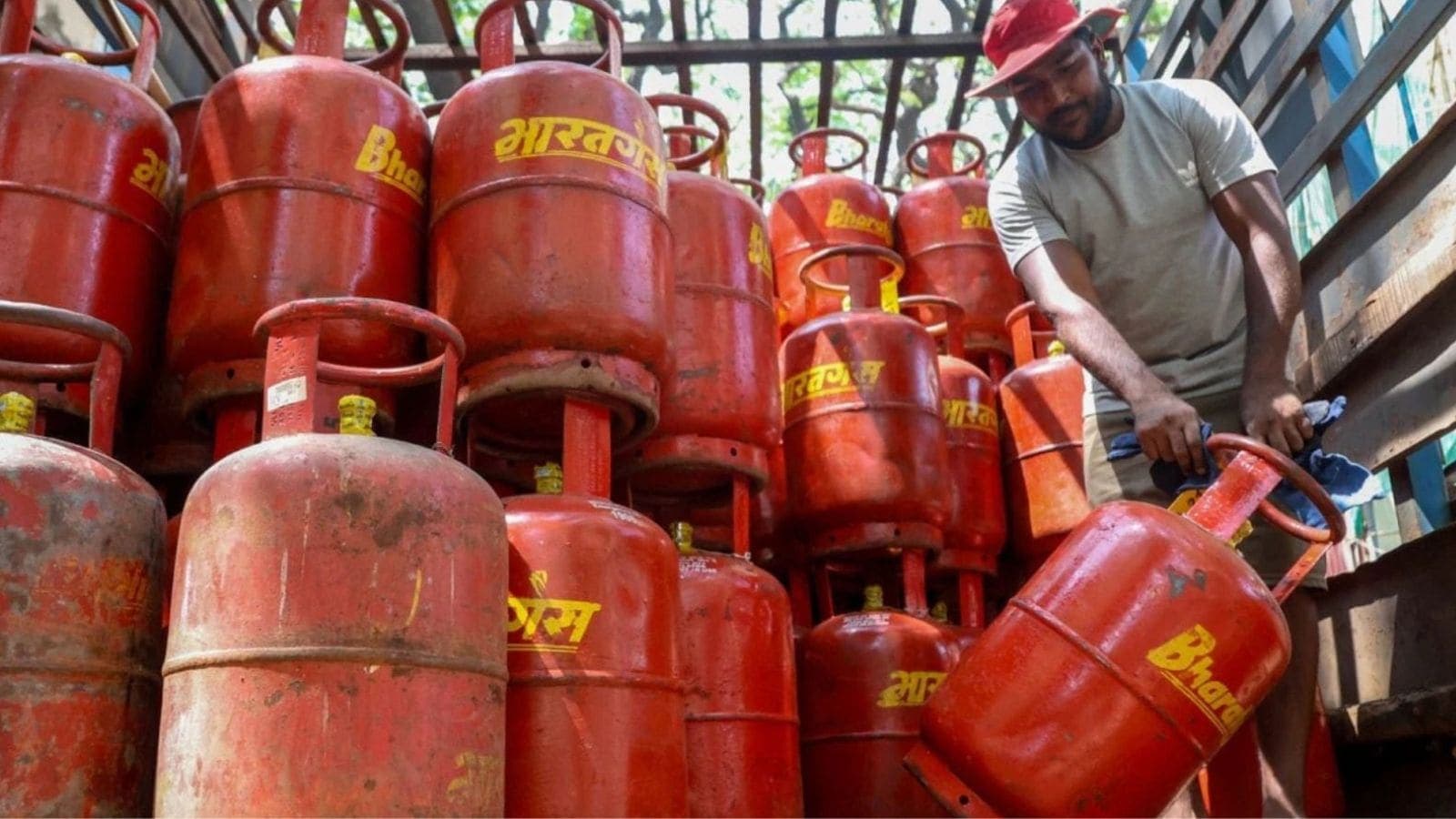
Commercial LPG prices have risen again, with increases of ₹42 in Delhi and ₹53.50 in Kolkata impacting businesses and consumers alike. Find out more.
Indian Express
Discover how a tragic coal mine explosion in Shanxi, China, reveals ongoing safety concerns in the industry amidst a push for green energy.
BBC Business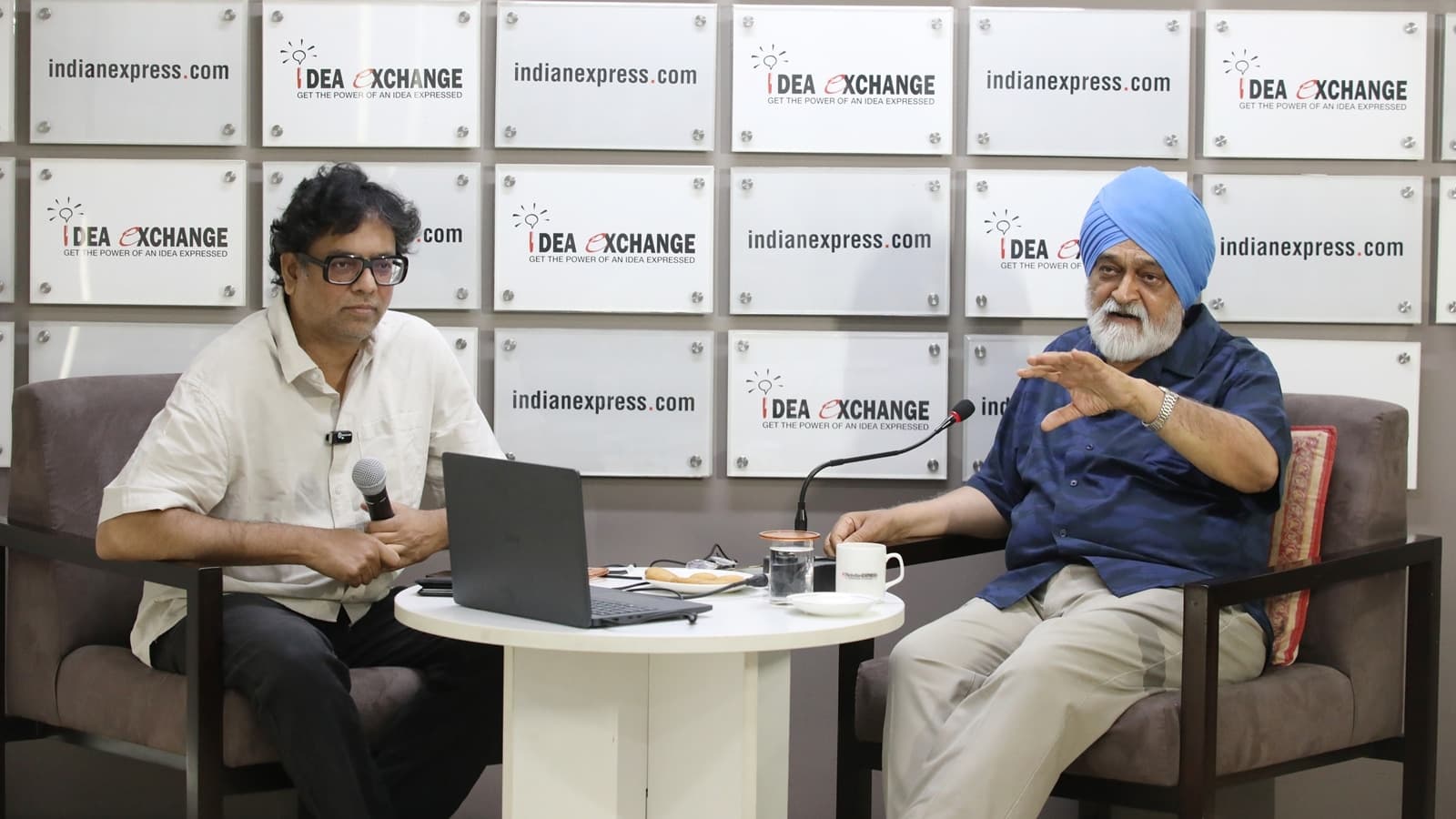
Montek Singh Ahluwalia highlights key economic challenges for India, emphasizing the need for a strategic approach to balance payments and investment.
Indian Express