

Image: BBC Business
Airlines are cutting flights and raising fares due to soaring jet fuel prices linked to the ongoing US-Israeli conflict. Find out what this means for travelers.
GlipzoAir India and Air New Zealand have announced significant changes to their flight operations in response to soaring jet fuel prices, a situation exacerbated by the ongoing conflict in the Middle East, particularly the US-Israeli war with Iran. As airlines scramble to manage their escalating costs, travelers can expect a wave of flight cancellations and fare increases in the coming months.
Fuel costs, which typically account for 20-40% of an airline's operating expenses, have surged to unprecedented levels. Just last week, the benchmark European jet fuel price reached a staggering $1,838 (£1,387) per tonne, a dramatic rise from $831 prior to the outbreak of hostilities. Analysts caution that this trend is likely to continue as the conflict persists, affecting both airlines and travelers alike.
The Gulf region is a crucial supplier of aviation fuel, contributing to approximately 50% of Europe's imports. A significant portion of this fuel is transported through the Strait of Hormuz, a vital waterway that has effectively been closed off by Iran in retaliation against US and Israeli strikes. This disruption in supply is causing alarm among airlines that rely heavily on these fuel sources.
According to Energy Intelligence, the Al-Zour refinery in Kuwait is responsible for roughly 10% of Europe's jet fuel imports. With Middle Eastern refineries playing such a pivotal role, the ongoing conflict has raised concerns about the stability and availability of aviation fuel.
Air New Zealand has already begun to cancel numerous flights in and out of its major cities, including Auckland, Wellington, and Christchurch. While flights to smaller airports remain unaffected, the airline has assured that the majority of customers impacted by these cancellations will be offered alternative flights on the same day. A spokesperson stated, "Like airlines globally, we're experiencing jet fuel prices that are more than double what they would usually be."
Simultaneously, Air India is shifting its approach by modifying the fuel surcharge on domestic flights from a flat rate to one based on flight distance. International surcharges have also seen an increase, reflecting what Air India describes as "one of the most challenging fuel cost environments that airlines globally have faced in recent years."
The situation is not isolated to just a few airlines. Across Asia, numerous carriers are trimming their services and increasing ticket prices to manage the impact of rising fuel costs. Countries like Japan and South Korea, which heavily depend on energy imports from the Middle East, are feeling the pressure.
In Europe, Air France-KLM plans to increase fares for long-haul flights, while Cathay Pacific is raising its fuel surcharge. Meanwhile, British Airways and EasyJet have managed to hold off on similar measures due to fixed fuel prices established before the conflict began. However, Ryanair's Michael O'Leary warned that potential disruptions to jet fuel supplies could become evident as early as May if the conflict continues to escalate.
Market analysts, including Mick Strautmann from data firm Vortexa, predict that the trend of rising ticket prices and increased flight cancellations will persist. He stated, "Starting from an already tight market, the current lack of Middle East jet fuel exports is worsening the situation. Given global jet fuel exports are currently at their lowest point in four years, the same level of air travel demand will likely not be sustainable if disruptions persist."
As the peak summer travel season approaches, airlines may face mounting pressure to either raise prices further or reduce flights, especially as travel demand escalates.
Despite the current tightness in supply, George Shaw, a senior analyst from Kpler, suggests that Europe is not at immediate risk of running out of jet fuel because domestic production is robust. He noted, "April should be manageable in terms of stocks," but acknowledged that localized issues could arise in May as the impact of reduced imports becomes more pronounced.
As airlines navigate this tumultuous environment, travelers should brace for continued volatility in airfares and potential service disruptions. With the conflict in the Middle East showing no signs of abating, the aviation industry will likely remain on high alert.
Moving forward, it will be crucial for consumers to stay informed about their travel plans and for airlines to communicate changes promptly. As the situation develops, monitoring fuel prices and geopolitical developments will be essential for both travelers and the airline industry alike. Understanding these dynamics will help prepare for what could be a challenging travel landscape ahead.
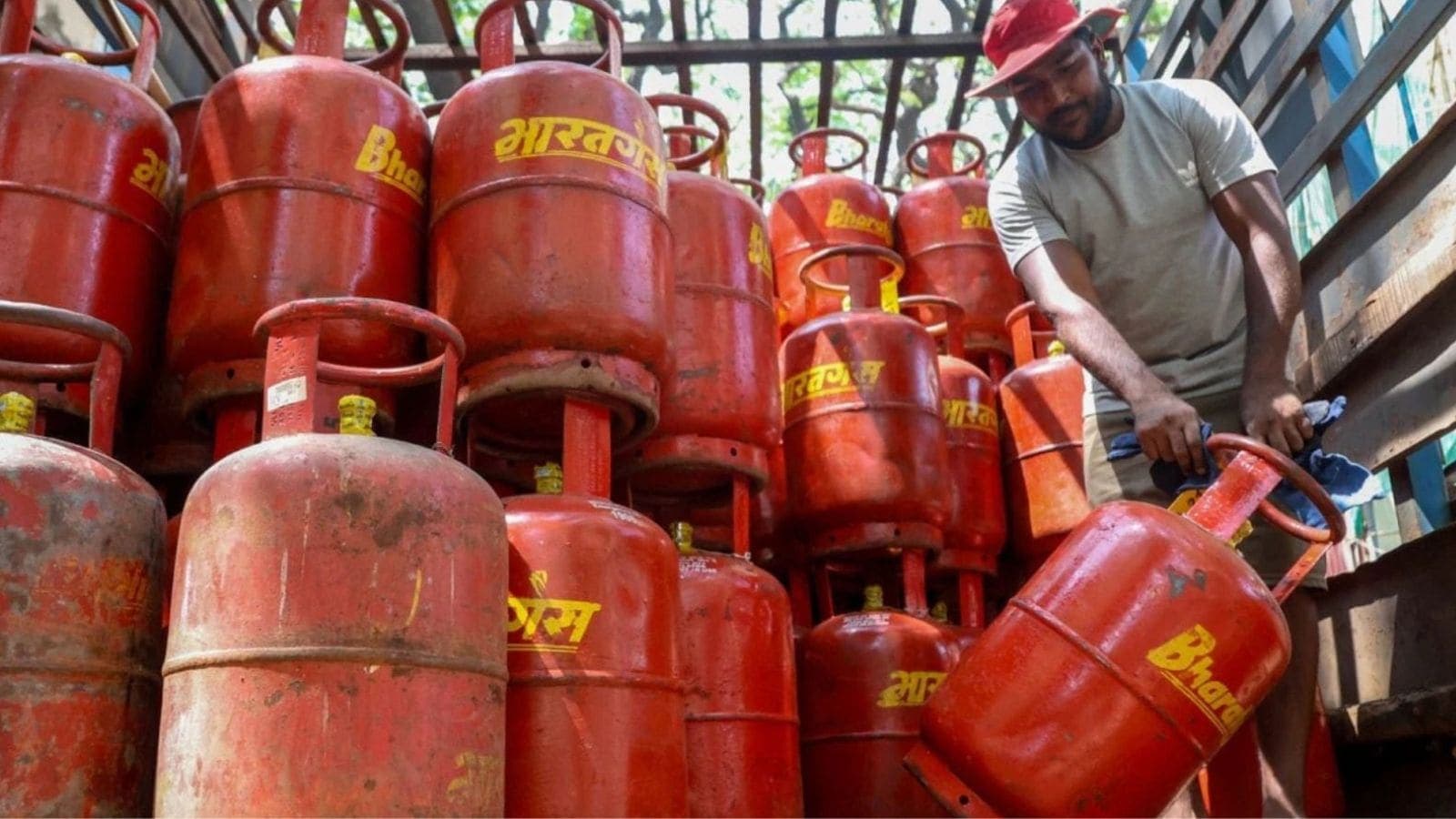
Commercial LPG prices have risen again, with increases of ₹42 in Delhi and ₹53.50 in Kolkata impacting businesses and consumers alike. Find out more.
Indian Express
Discover how a tragic coal mine explosion in Shanxi, China, reveals ongoing safety concerns in the industry amidst a push for green energy.
BBC Business
Montek Singh Ahluwalia highlights key economic challenges for India, emphasizing the need for a strategic approach to balance payments and investment.
Indian Express