

Image: BBC Business
Discover how AI is transforming the search for brain drug treatments, potentially unlocking therapies in years instead of decades for neurological conditions.
GlipzoIn a groundbreaking effort, researchers at the UK Dementia Research Institute in Edinburgh are harnessing the power of artificial intelligence (AI) to expedite the search for treatments for neurological disorders. These conditions, which include devastating diseases like motor neurone disease (MND), often take decades to find effective therapies. However, the institute aims to uncover potential solutions hidden in existing medications much more rapidly, potentially transforming the lives of patients who are currently facing grim prognoses.
The innovative team is examining an array of patient data, including voice recordings, eye scans, and lab-grown brain cells. The goal is to determine if any currently approved drugs can be repurposed to provide relief for conditions such as MND. By utilizing advanced algorithms to identify disease patterns and predict effective medications, researchers believe they can significantly shorten the timeline from discovery to treatment.
One of the participants in these pioneering trials is Steven Barrett, who received his MND diagnosis a decade ago. Once looking forward to an active retirement after a distinguished career in the civil service, Steven's life took a drastic turn when he began to experience numbness in his leg. The diagnosis of MND, a progressive and incurable neurological disease, was a devastating blow.
"MND is a horrible disease; it strips you of who you are," Steven shared during a recent interview. He reflected on how the illness has altered his life and the uncertainty it brings. "It rips any sense of future that you may feel you had planned for yourself - all that goes."
Despite this harrowing experience, Steven views the ongoing trials as a beacon of hope for himself and others battling similar conditions. He participates in the MND-SMART trial, which tests multiple drugs simultaneously rather than employing a traditional placebo-controlled approach. "For me, the research is much more than taking a tablet; it's with the intention of delivering outcomes that may help me and others," he expressed.
The UK Dementia Research Institute is not only focused on drug repurposing; it is also creating a comprehensive database to analyze a wide range of neurological conditions, including Parkinson's disease, Dementia, and MND.
Researchers are gathering detailed data through: - Iris scans - Voice recordings - Blood samples for stem cell cultivation
This data is processed through AI systems that sift through vast amounts of information to identify subtle changes that could signal the onset of neurological issues. By cultivating groups of brain cells known as neurones from stem cells, the scientists can test existing drugs on these cells, employing a combination of robotics, traditional lab techniques, and sophisticated algorithms.
As the AI systems analyze the data, they are trained to recognize drugs that may effectively alter the neurological disease signature into a healthier state. Once a drug is identified as a potential candidate, it can be fast-tracked into clinical trials involving willing participants like Steven.
According to Prof. Siddarthan Chandran, the Institute's chief executive, there are approximately 1,500 drugs already approved for other conditions that could potentially be effective in treating brain disorders. "The brain is the most complicated organ in the body, so we must contend with the paradox of that complexity," he explained. Until now, researchers have been limited to less advanced methods, but the integration of AI has opened new doors to possibilities once thought impossible.
Repurposing existing drugs presents several advantages over developing new medications from scratch, which can take over a decade. The existing drugs are already approved, meaning that the regulatory pathway could be shorter and more straightforward.
Prof. Chandran and his team are optimistic that their research could lead to the development of affordable and effective treatments for neurological conditions well before the traditional timelines. The potential impact of their work could lead to a significant shift in how these conditions are managed and treated.
The UK Dementia Research Institute is not alone in exploring the applications of AI in medical research. Institutions like the Massachusetts Institute of Technology (MIT) are also leveraging generative AI to discover new antibiotic compounds that could combat antibiotic-resistant bacteria and conditions like Parkinson's.
As advances in AI technology continue, the potential for uncovering new treatments across various medical fields is vast. In 2024, researchers at Harvard University are expected to expand on these findings, further demonstrating the transformative power of AI in healthcare.
As we look to the future, the implications of these research efforts are monumental. The integration of AI into the search for neurological treatments not only offers hope for patients like Steven but also represents a paradigm shift in how we approach medical research and drug development.
The next steps will involve rigorous clinical trials to validate the efficacy of the identified drugs. If successful, these efforts could redefine treatment landscapes and change the lives of countless individuals suffering from debilitating neurological conditions. The world will be watching as these promising developments unfold, highlighting the urgent need for innovation in healthcare.

Shocking findings from Nottingham's maternity unit reveal a toxic culture and alarming neglect. What can be done to improve care? Discover the details.
BBC Health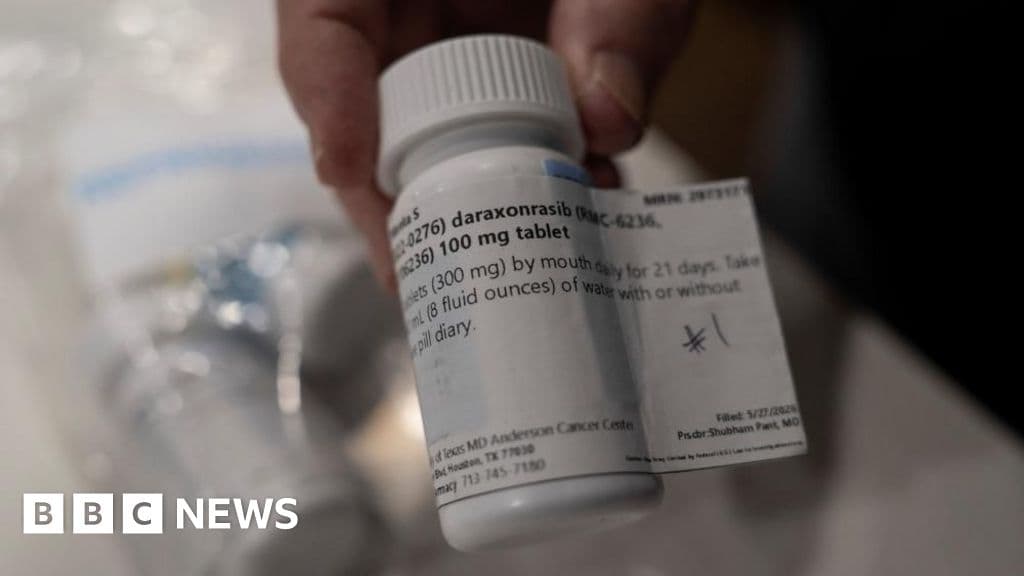
Discover how daraxonrasib, a new pill, is nearly doubling survival rates for pancreatic cancer patients, offering hope in a challenging battle against this deadly disease.
BBC Health
Waste companies propose a £5 deposit on vapes to encourage proper disposal and curb littering as the environmental impact of vapes increases.
BBC Business