Glipzo
WorldTechnologyBusinessSportsEntertainmentScienceHealthPolitics
Glipzo
WorldTechnologyBusinessSportsEntertainmentScienceHealthPolitics
  1. Home
  2. /
  3. Business
  4. /
  5. Adobe Agrees to $75 Million Settlement Over Subscription Fees
Adobe Agrees to $75 Million Settlement Over Subscription Fees

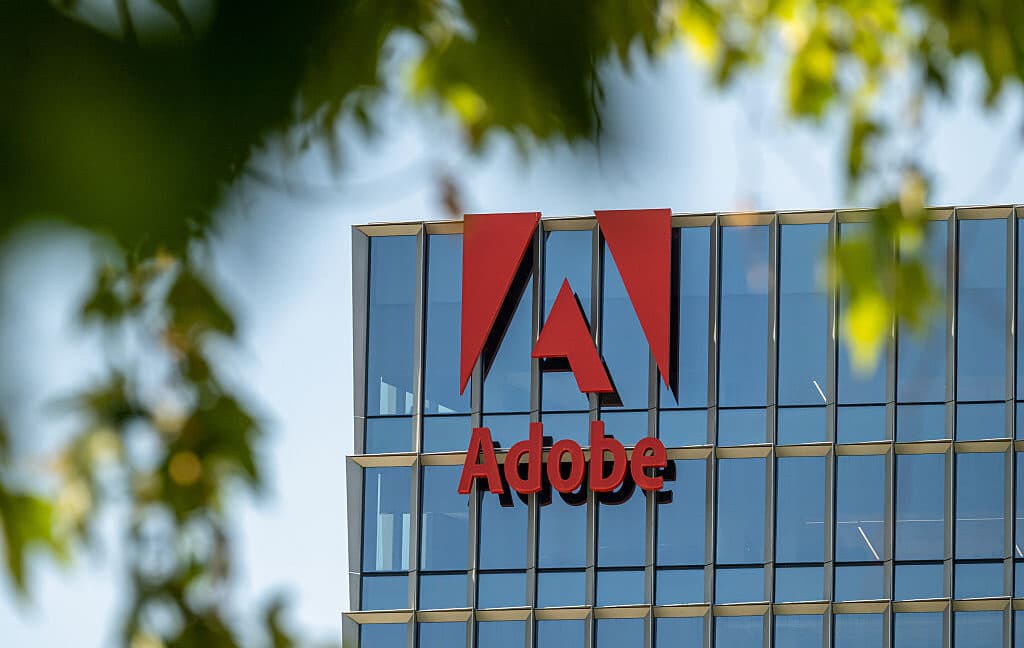
Image: Ars Technica

Business
Saturday, March 14, 20264 min read

Adobe Agrees to $75 Million Settlement Over Subscription Fees

Adobe settles DOJ lawsuit over hidden cancellation fees for $75M, offering free services to affected users. What does this mean for consumers?

Glipzo News Desk|Source: Ars Technica
Share
Glipzo

Key Highlights

  • Adobe settles DOJ lawsuit, pays $75 million penalty.
  • Hidden cancellation fees led to government lawsuit against Adobe.
  • Affected customers to receive $75 million in free services.
  • Settlement underscores need for transparency in subscription services.

In this article

  • Overview of the Adobe Settlement In a significant development for consumers, **Adobe** has reached a settlement with the **Department of Justice (DOJ)** regarding its controversial cancellation fees for **Creative Cloud** subscriptions. This lawsuit, initiated in **2024**, highlighted the company’s practices of obscuring termination fees in the fine print, making it complicated for users to cancel their subscriptions. As a result, Adobe will pay a **$75 million penalty** and offer free services to impacted customers.
  • The Controversy Behind Cancellation Fees Adobe's cancellation policies have drawn ire from customers, especially those who felt trapped by the system. The core of the DOJ’s complaint was that Adobe was not transparent about its cancellation fees, which could amount to **50% of the remaining subscription cost** when users decided to cancel their annual plans. This often resulted in charges that could run into hundreds of dollars.
  • Terms of the Settlement As part of the settlement agreement, Adobe has consented to pay **$75 million** to the government while maintaining that it did not admit to any wrongdoing. In their statement, Adobe expressed contentment in resolving the matter despite disagreeing with the claims made against them.
  • Impact on Adobe's Business Model This settlement is unlikely to alter Adobe's current business practices significantly. The company has already begun implementing changes to ensure that cancellation fees are more transparent at the point of sale. The subscription model has proven lucrative for the company; they reported a remarkable **$7 billion in net profit** last year alone.
  • Why It Matters for Consumers and the Industry The implications of this settlement extend beyond just Adobe and its subscribers. It raises vital questions about transparency in subscription services across the tech industry. As more companies adopt similar business models, consumers must remain vigilant about hidden fees and cancellation policies.
  • What’s Next for Adobe and its Users Moving forward, Adobe will likely continue to promote its subscription services while improving clarity around its cancellation policies. For users who have faced challenges with cancellation fees, this settlement could provide a sense of vindication and an opportunity for restitution.

Overview of the Adobe Settlement In a significant development for consumers, **Adobe** has reached a settlement with the **Department of Justice (DOJ)** regarding its controversial cancellation fees for **Creative Cloud** subscriptions. This lawsuit, initiated in **2024**, highlighted the company’s practices of obscuring termination fees in the fine print, making it complicated for users to cancel their subscriptions. As a result, Adobe will pay a **$75 million penalty** and offer free services to impacted customers.

The decision comes amid increasing scrutiny of subscription-based business models, which have become prevalent in the software industry. Adobe, a pioneer in this shift, had transitioned to a subscription model as early as 2013, encouraging users to migrate from the traditional perpetual licenses that started at $700 and could exceed $2,600 for all applications.

The Controversy Behind Cancellation Fees Adobe's cancellation policies have drawn ire from customers, especially those who felt trapped by the system. The core of the DOJ’s complaint was that Adobe was not transparent about its cancellation fees, which could amount to **50% of the remaining subscription cost** when users decided to cancel their annual plans. This often resulted in charges that could run into hundreds of dollars.

In addition to these hefty fees, Adobe allegedly employed convoluted phone trees that made the cancellation process frustratingly difficult. The DOJ argued that these practices violated the Restore Online Shoppers’ Confidence Act, a law designed to protect consumers from deceptive online practices. By settling the case outside of court, Adobe has managed to avoid what could have been a prolonged legal battle.

Terms of the Settlement As part of the settlement agreement, Adobe has consented to pay **$75 million** to the government while maintaining that it did not admit to any wrongdoing. In their statement, Adobe expressed contentment in resolving the matter despite disagreeing with the claims made against them.

In an effort to appease affected customers, Adobe will also be providing an equivalent of $75 million in free services. However, specific details regarding which customers will qualify or what types of services they will receive remain unclear. Adobe has stated that they will reach out to those eligible once the necessary court filings are complete.

Impact on Adobe's Business Model This settlement is unlikely to alter Adobe's current business practices significantly. The company has already begun implementing changes to ensure that cancellation fees are more transparent at the point of sale. The subscription model has proven lucrative for the company; they reported a remarkable **$7 billion in net profit** last year alone.

Despite the settlement, Adobe’s focus on subscriptions appears poised to continue, as the revenue generated from this model has steadily increased since the launch of Creative Cloud. The company's decision to pay the $75 million penalty is seen as a strategic move to maintain its profitable business model without facing the uncertainties of a court ruling.

Why It Matters for Consumers and the Industry The implications of this settlement extend beyond just Adobe and its subscribers. It raises vital questions about transparency in subscription services across the tech industry. As more companies adopt similar business models, consumers must remain vigilant about hidden fees and cancellation policies.

Moreover, this case serves as a cautionary tale for other businesses, emphasizing the importance of clear communication and fair practices in customer dealings. The DOJ's actions indicate that regulatory bodies are keeping a close watch on deceptive practices in the digital marketplace, which may lead to stricter scrutiny and regulations in the future.

What’s Next for Adobe and its Users Moving forward, Adobe will likely continue to promote its subscription services while improving clarity around its cancellation policies. For users who have faced challenges with cancellation fees, this settlement could provide a sense of vindication and an opportunity for restitution.

As the software landscape evolves, the outcomes of such legal disputes will be essential for shaping consumer rights and business practices. Customers should remain informed about their rights and the terms of service for any subscription they engage with, ensuring they are not caught off guard by hidden fees or complicated cancellation processes.

The ongoing conversation about transparency and fair business practices in the digital realm will undoubtedly shape the future of subscription-based models, and Adobe's recent settlement is a pivotal moment in that dialogue.

Consumers are advised to keep an eye on communication from Adobe regarding the specifics of the settlement, especially if they have incurred cancellation fees in the past. As the industry grapples with these issues, this case could set a precedent for how subscription services are managed and regulated in the years to come.

Did you find this article useful? Share it!

Share

Related Articles

Urgent Call for Waiver: Punjab's Wheat Quality Crisis
Business
Apr 21, 2026

Urgent Call for Waiver: Punjab's Wheat Quality Crisis

Punjab's procurement agencies demand a waiver on storage gain norms due to severe wheat quality issues. Urgent government action is essential!

Indian Express
Nifty, Sensex Steady Amid U.S.-Iran Peace Talks Insights
Business
Apr 21, 2026

Nifty, Sensex Steady Amid U.S.-Iran Peace Talks Insights

Indian equity benchmarks opened flat as investors monitor U.S.-Iran peace talks and await quarterly earnings. What’s next for the markets?

Indian Express
Trump's Tariff Refunds Begin, But Consumers Left Behind
Business
Apr 21, 2026

Trump's Tariff Refunds Begin, But Consumers Left Behind

Trump's historic tariff refund program begins, but consumers may miss out. Will businesses share the wealth? Discover the implications of this development.

BBC Business

Categories

  • World
  • Technology
  • Business
  • Sports

More

  • Entertainment
  • Science
  • Health
  • Politics

Explore

  • Web Stories
  • About Us
  • Contact

Legal

  • Privacy Policy
  • Terms of Service

© 2026 Glipzo. All rights reserved.