
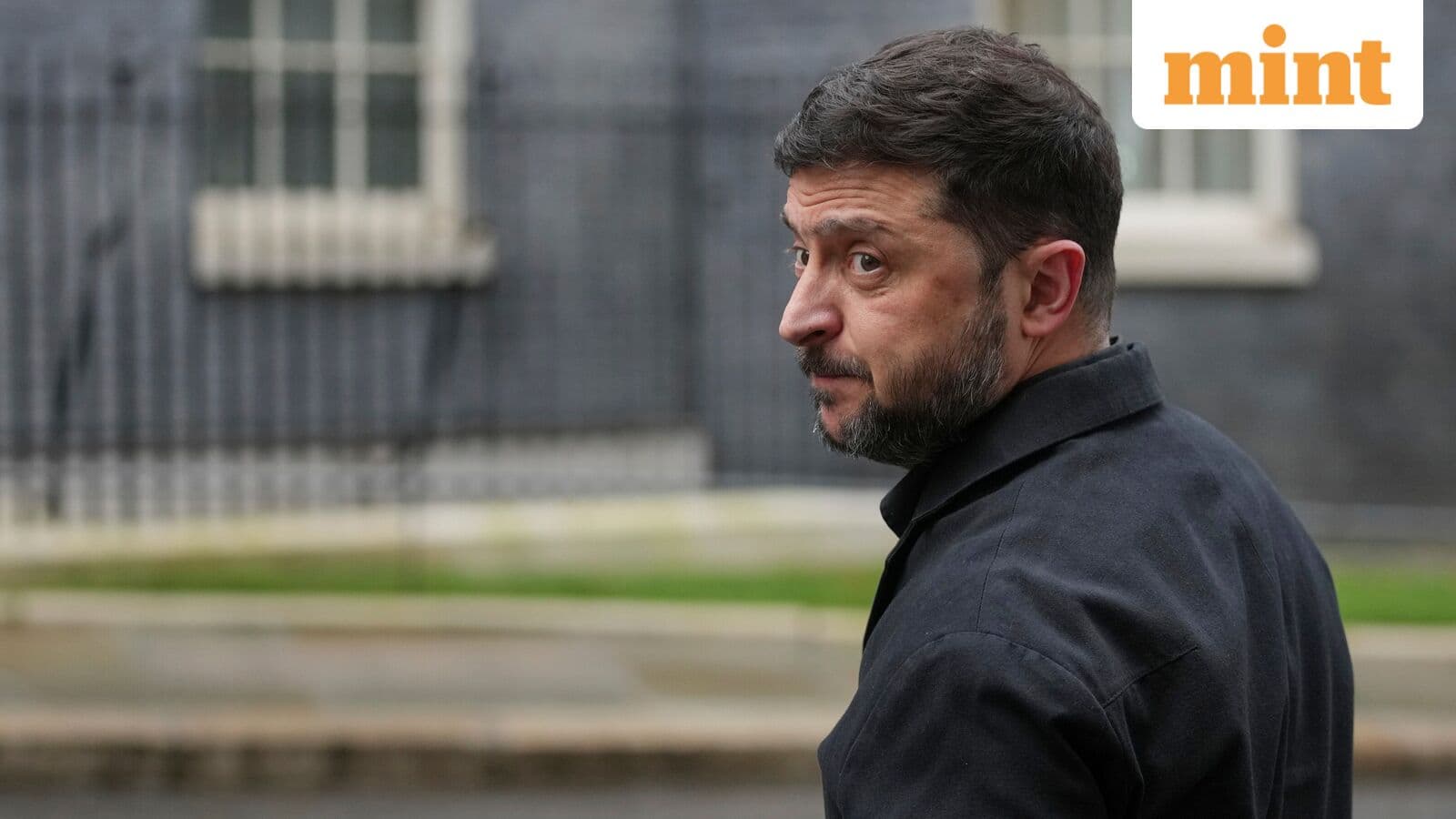
Image: Mint (Business)
Zelenskyy warns that the US-Iran conflict strengthens Putin's position, risking missile shortages for Ukraine. What does this mean for global geopolitics?
GlipzoIn what is rapidly evolving into a significant geopolitical crisis, Ukrainian President Volodymyr Zelenskyy has voiced grave concerns regarding the repercussions of the recent US-Iran conflict. Nearly three weeks ago, a coordinated military operation by the United States and Israel targeted Iran, resulting in the deaths of several high-ranking officials, including Supreme Leader Ayatollah Ali Khamenei. This aggressive stance has led to a retaliatory response from Tehran, escalating tensions in the region.
Zelenskyy, speaking in an exclusive interview with the BBC, highlighted how this conflict could divert crucial military resources away from Ukraine, impacting its ongoing war against Russia. The Ukrainian leader stated that the long-standing rivalry between the US, Israel, and Iran seems to favor Russian President Vladimir Putin, as he seeks to exploit the situation to his advantage.
Zelenskyy expressed a “very bad feeling” about the consequences of the US-Iran conflict, particularly its potential to hinder Ukraine's military efforts. He emphasized that the United States is currently preoccupied with the situation in the Middle East, which could lead to a significant reduction in missile supplies essential for Ukraine's defense against Russian aggression.
The Ukrainian President made it clear that the ongoing conflict in Iran not only affects the military landscape in Ukraine but also has broader implications for global energy prices. The Islamic Revolutionary Guard Corps has reportedly shut down the Strait of Hormuz, causing a spike in oil prices, which in turn could exacerbate Ukraine's challenges.
Increased energy prices are a double-edged sword; they not only impact the global economy but also pose a direct threat to Ukraine's military supply chain. Zelenskyy pointed out that the US produces around 60-65 missiles per month, translating to approximately 700-800 missiles annually. However, with over 803 missiles reportedly used on the first day of the conflict in the Middle East, the situation is dire.
Zelenskyy warned that the stockpiles of military resources in the Middle East could soon be exhausted, posing a critical challenge as the conflict drags on. This could leave Ukraine vulnerable, as the availability of missiles and other defense systems diminishes.
In light of the ongoing conflict, Zelenskyy also commented on the stance of US President Donald Trump regarding the Russia-Ukraine war. He asserted that Trump is attempting to maintain a neutral position, seemingly avoiding actions that might provoke Putin. Zelenskyy expressed skepticism about Trump's strategy, suggesting that it reflects a desire to negotiate rather than decisively support Ukraine.
The Ukrainian leader underscored the importance of a unified response against regimes that promote hatred. He stated, “The regimes in Iran and Russia are brothers in hatred; hence, they are brothers in weapons.” This sentiment encapsulates his call for international solidarity against oppressive regimes.
During his recent diplomatic tour, Zelenskyy visited multiple European capitals, including a meeting with UK Prime Minister Keir Starmer at Downing Street. His next stop is Madrid, following a recent visit to Paris. Each meeting underscores Ukraine's urgent need for support and solidarity from European nations as the war continues to rage.
Zelenskyy's advocacy for international military aid is crucial, especially in light of the potential depletion of resources caused by the conflict in Iran. As he continues to rally support from European leaders, the outcomes of these meetings could play a pivotal role in shaping Ukraine's defense capabilities moving forward.
As the situation in the Middle East evolves, the implications for Ukraine remain critical. The ongoing conflict presents a strategic advantage for Putin, who seeks to prolong the hostilities to weaken US involvement elsewhere. Zelenskyy's warnings indicate that as the US focuses its resources on the Middle East, the window for Ukraine to secure military supplies may close rapidly.
The intersection of conflicts in the Middle East and Ukraine illustrates the complex web of global geopolitics. The potential depletion of military resources for Ukraine amid rising energy prices poses a significant challenge. Understanding this connection is essential for grasping the future of military support for Ukraine and the broader geopolitical dynamics at play.
Moving forward, all eyes will be on how international stakeholders respond to these challenges. Will the US enhance its support for Ukraine, or will its focus on the Middle East hinder its ability to assist Kyiv effectively? The next few weeks will be pivotal in determining the outcome of these intertwined conflicts.
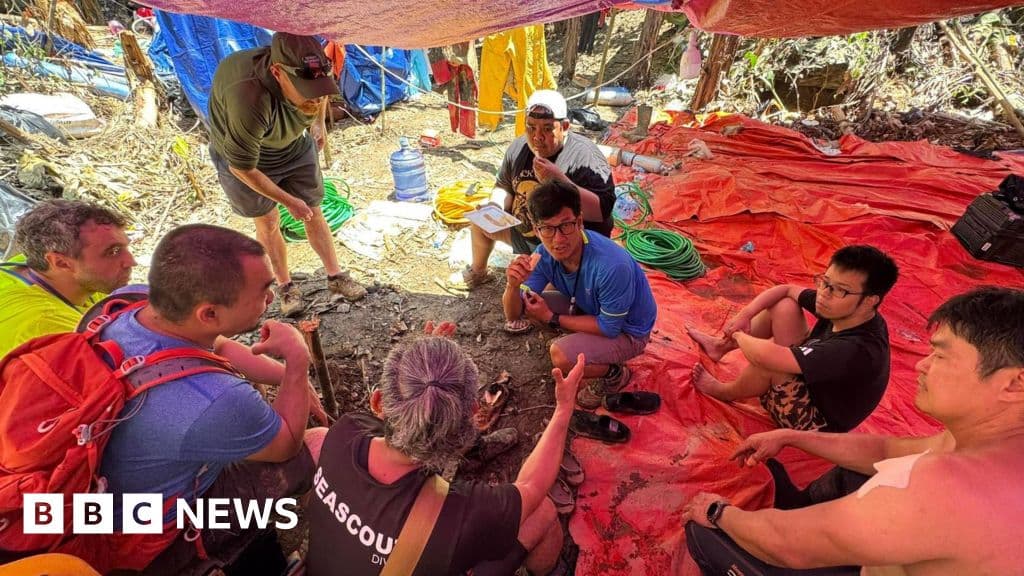
Survivors of the Laos cave rescue are aiding efforts to find the last two missing men trapped inside, sharing crucial insights for the search operation.
BBC World
A year after the tragic Air India crash, the Ali family reflects on grief, unanswered questions, and the enduring bonds of love in the face of loss.
BBC Business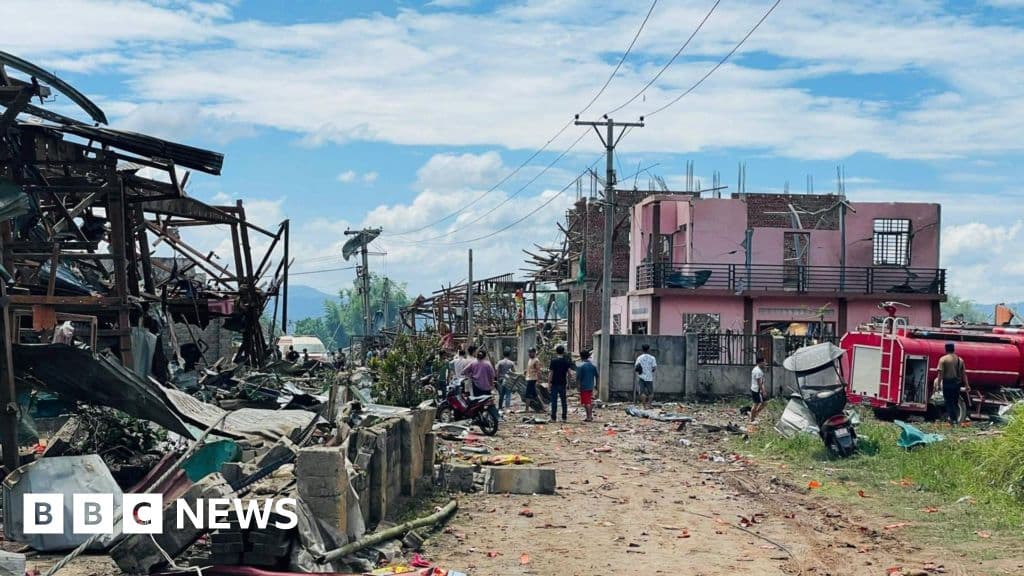
A devastating explosion in Myanmar's Kaung Tat village has killed at least 55 people, raising serious safety concerns and questions about civilian protection in conflict zones.
BBC World