
Image: BBC World
A devastating explosion in Myanmar's Kaung Tat village has killed at least 55 people, raising serious safety concerns and questions about civilian protection in conflict zones.
GlipzoA tragic explosion in the village of Kaung Tat, located in Namkham Township of Shan State, Myanmar, has resulted in the deaths of at least 55 individuals and left dozens more injured. This deeply saddening incident occurred on Sunday, in a region that is predominantly under the control of the Ta'ang National Liberation Army (TNLA), a group actively opposing the ruling military junta. The explosion reportedly took place around 12:00 PM local time (05:30 GMT), and immediate reports indicated that 25 women and 30 men were among the deceased.
Eyewitness accounts describe a massive cloud of smoke rising over the village shortly after the blast. Local sources suggest that the explosion was linked to explosives used in mining operations. The TNLA released a statement acknowledging the incident, labeling it an “accidental explosion” and expressing condolences for the loss of life and injuries sustained by villagers. The group did not provide detailed information regarding the circumstances surrounding the explosion.
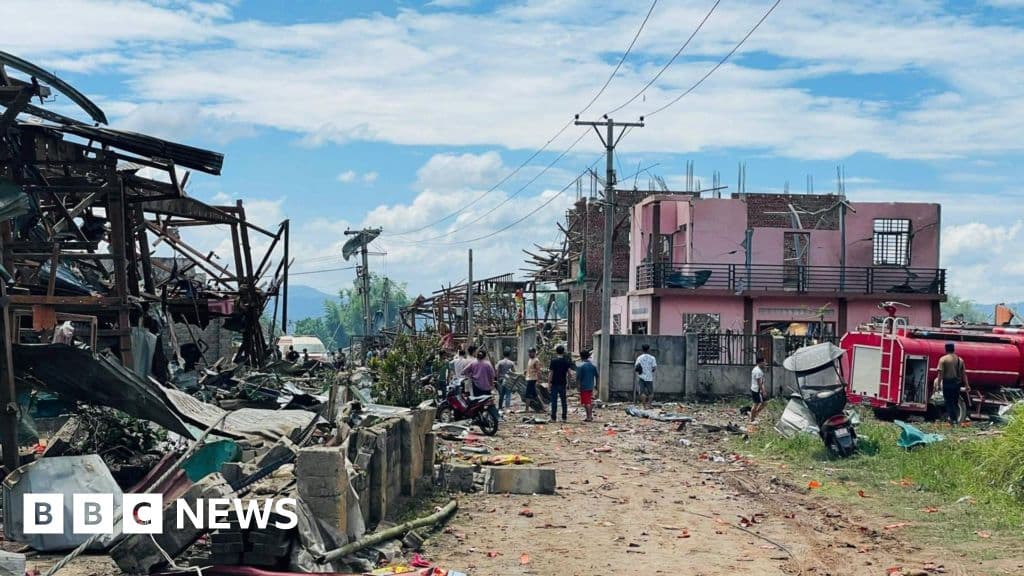
Witnesses to the explosion have painted a harrowing picture of the aftermath. Footage captured at the site reveals a large crater surrounded by debris and ruined structures, with smoke still rising from the wreckage. Eyewitnesses described the scene as one of utter devastation, with many locals initially believing that the blast was the result of an airstrike rather than an accident.
One resident shared a chilling account of survival on social media, stating, “By sheer luck, my phone saved my life.” This individual recounted how they were sitting in their bedroom, eating noodles and browsing their phone when the explosion occurred. They noted that had they been in the kitchen, the outcome could have been fatal.
The resident also reported that children were among the casualties and that hundreds of homes suffered damage, impacting nearly an entire neighborhood. The emotional toll was palpable, with people crying out for their loved ones amidst the chaos. “It felt as if the world had come to an end,” they wrote, reflecting the widespread grief and confusion.
In the wake of this tragic event, questions have emerged regarding the safety protocols surrounding the operation of facilities handling explosives near residential areas. The same resident expressed outrage over why such operations were permitted in close proximity to homes, stating that families of the victims would demand answers from the authorities.
The TNLA, recognized as one of Myanmar's most powerful ethnic armed groups, has been engaged in a long-standing conflict against the military junta. As part of their funding strategies, many of the country’s rebel factions rely on mining precious minerals, a practice that often entails lax safety standards. These conditions have led to numerous accidents, including mine collapses and other tragic incidents.
This explosion is a stark reminder of the volatile situation in Myanmar, where ongoing conflict has created a landscape fraught with dangers for civilians. The TNLA and other insurgent groups have been fighting the military junta for years, seeking autonomy and rights for ethnic minorities. The consequences of this conflict extend far beyond the battlefield, affecting the lives of countless civilians who often find themselves caught in the crossfire.
As Myanmar continues to grapple with internal strife, the humanitarian crisis deepens, with many communities facing displacement and loss of life. The TNLA's operations and the associated risks underscore the precarious balance between military engagement and civilian safety in conflict zones.
Looking forward, the aftermath of this explosion may prompt renewed scrutiny of safety regulations regarding explosive materials in conflict zones. It raises critical questions about the responsibility of both insurgent groups and the military junta regarding civilian safety.
In the coming days, we can expect heightened discussions around the need for accountability and the implementation of stricter safety measures in areas affected by conflict. The families of those lost and injured will likely seek justice and transparency, pushing for answers from authorities.
As the situation evolves, it will be crucial to monitor how both the TNLA and the junta respond, particularly in terms of community safety and the ongoing impact of their conflict on civilian populations. The international community may also pay closer attention to the humanitarian implications of such incidents, advocating for the protection of civilians in Myanmar's turbulent landscape.
In summary, the tragedy in Kaung Tat underscores the urgent need for a resolution to the ongoing conflict in Myanmar, with a focus on safeguarding the lives of innocent civilians caught in the turmoil of war.
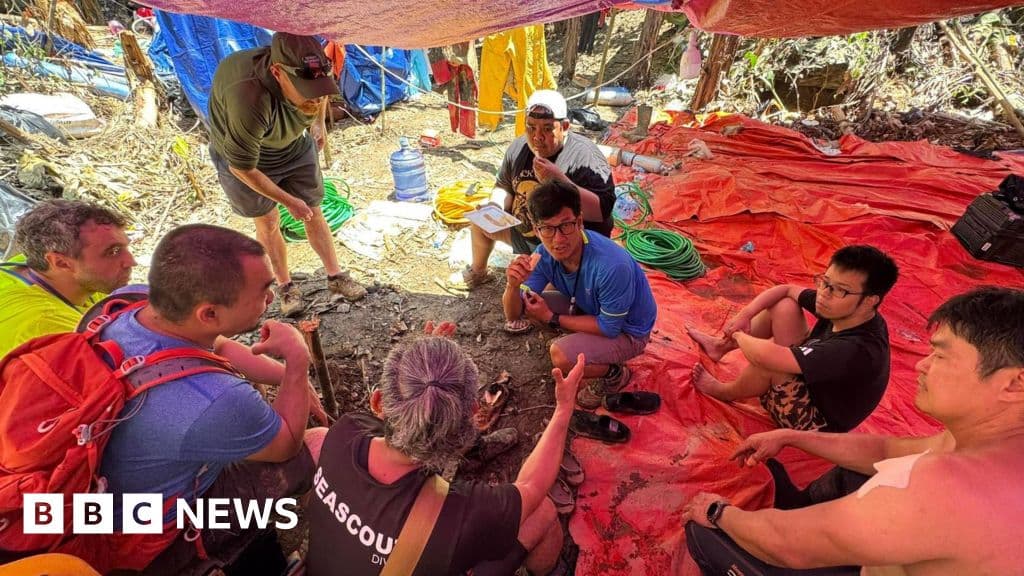
Survivors of the Laos cave rescue are aiding efforts to find the last two missing men trapped inside, sharing crucial insights for the search operation.
BBC World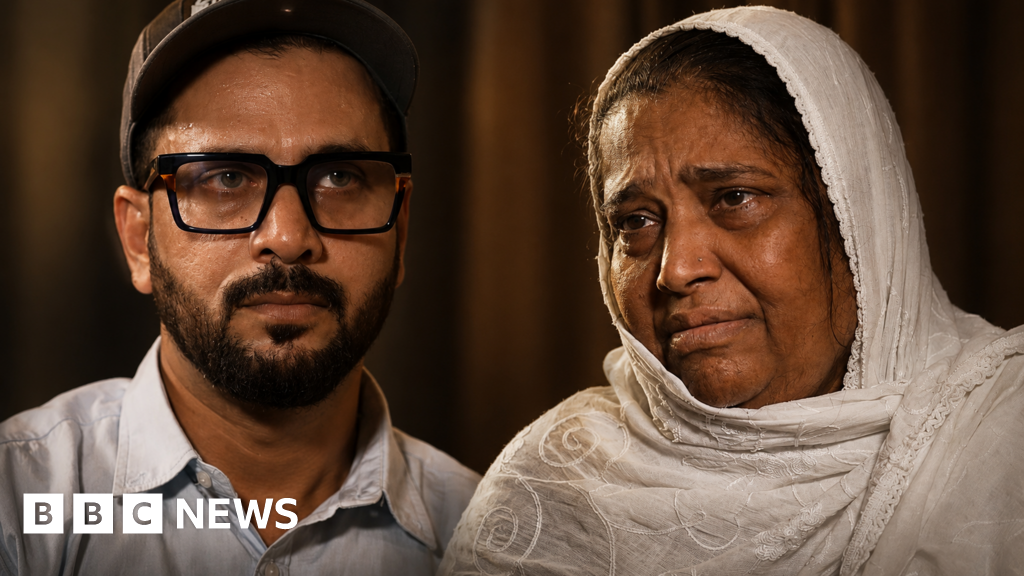
A year after the tragic Air India crash, the Ali family reflects on grief, unanswered questions, and the enduring bonds of love in the face of loss.
BBC Business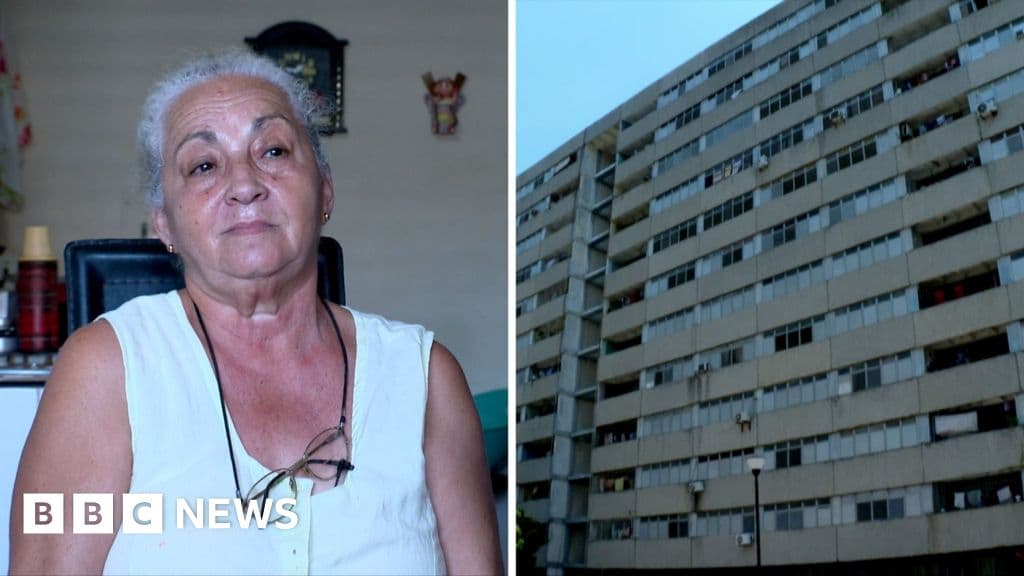
Cuba faces ongoing power outages due to a U.S. fuel blockade. Residents adapt, but uncertainty looms. What does the future hold for Cuba's energy crisis?
BBC World