
Image: BBC World
Zelensky warns that Russia is exploiting the Iran conflict to escalate attacks on Ukraine. What does this mean for military support and global stability?
GlipzoIn a stark warning, Ukrainian President Volodymyr Zelensky has claimed that Russia is leveraging the ongoing conflict in the Middle East to intensify its assault on Ukraine. This assertion comes in the wake of a recent bombarding campaign by Russia that resulted in significant casualties and damage across the country. Zelensky emphasized the urgency for Ukraine to bolster its air-defense capabilities, citing the critical need for protection regardless of the shifting geopolitical landscape.
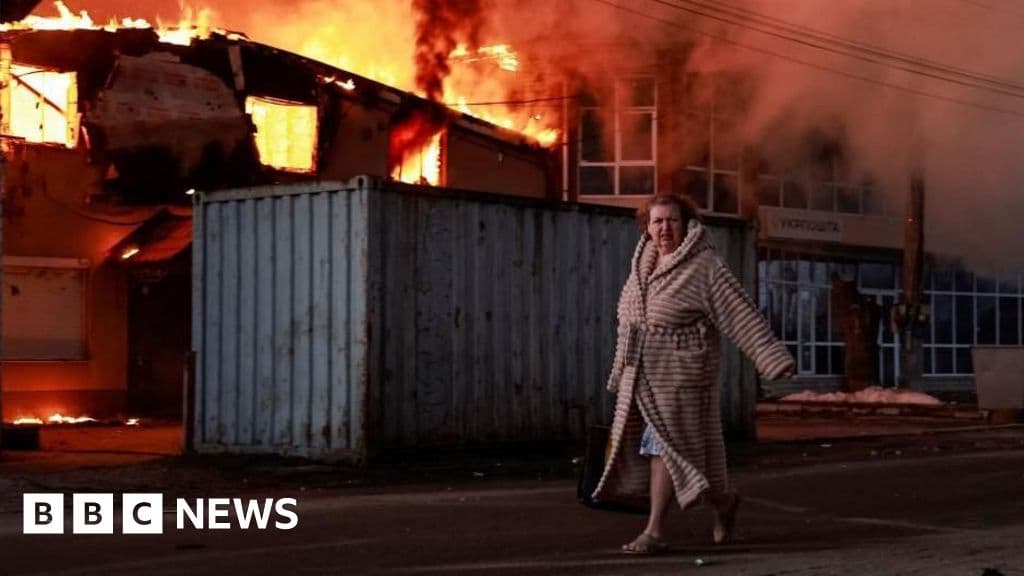
During the latest wave of attacks on Saturday, Russia unleashed a torrent of approximately 500 drones and missiles, leading to the deaths of at least five individuals and injuries to many others. Zelensky noted that while many of these aerial threats were intercepted, the strikes still inflicted considerable harm on both infrastructure and civilian life.
Zelensky described the primary targets of these airstrikes as the energy infrastructure in the Kyiv region. Unfortunately, many residential buildings, schools, and businesses were also caught in the crossfire, highlighting the indiscriminate nature of the assault.
Despite not being the largest bombardment witnessed, this assault ranks among the more significant ones in recent history. Zelensky's social media statement underlined the strategic implications of the ongoing conflict in the Middle East, warning that Russia aims to escalate its operations in Ukraine while global attention is diverted.
Zelensky's remarks underscore a critical point: the war in Ukraine is not occurring in isolation. The Iran-Israel conflict has shifted the focus and resources of several nations, particularly the United States and its allies, who are preoccupied with defending against Iranian threats. This redistribution of military assets has left Ukraine vulnerable, especially as air-defense systems become increasingly scarce due to their extensive use in the Middle East.
Zelensky has called for urgent action from Ukraine's allies, emphasizing that air-defense systems are a "daily necessity" for the country. His call to arms is particularly pressing as the geopolitical landscape changes, with concerns that Ukraine might struggle to acquire defensive weaponry amidst the chaos.
The repercussions of the Middle East conflict extend beyond military strategies; they also threaten to destabilize global oil markets. Following recent developments, the price of oil surged to around $100 per barrel, prompting the Trump administration to temporarily lift sanctions on Russian oil already in transit. This decision, although aimed at controlling costs, has drawn criticism from Zelensky and various European leaders who view it as a boon for Russia's war economy.
This situation is further complicated by the derailment of peace talks aimed at resolving the protracted conflict in Ukraine, which have suffered setbacks due to the renewed focus on the Iranian situation. The interplay between these two conflicts illustrates the broader implications of warfare on international relations and military preparedness.
As the situation continues to evolve, the international community must closely monitor the developments in both Ukraine and the Middle East. Zelensky's call for increased military assistance serves as a reminder of the interconnected nature of global conflicts today.
The next steps taken by international leaders will be crucial in determining the trajectory of both conflicts. As the Ukraine-Russia war persists, the need for strategic planning and collaboration among allies becomes even more pressing, ensuring that Ukraine can defend itself against ongoing aggression while navigating the complexities of a changing world order.
In summary, the dual crises highlight the urgent need for enhanced military support for Ukraine while also addressing the implications of geopolitical shifts caused by the Iran conflict. By understanding these dynamics, stakeholders can better respond to the challenges ahead.
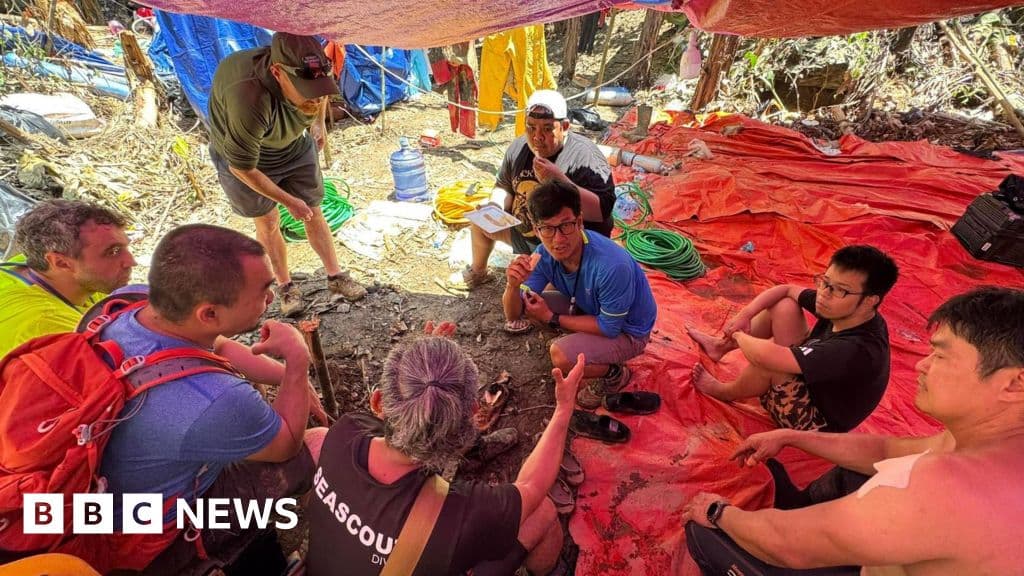
Survivors of the Laos cave rescue are aiding efforts to find the last two missing men trapped inside, sharing crucial insights for the search operation.
BBC World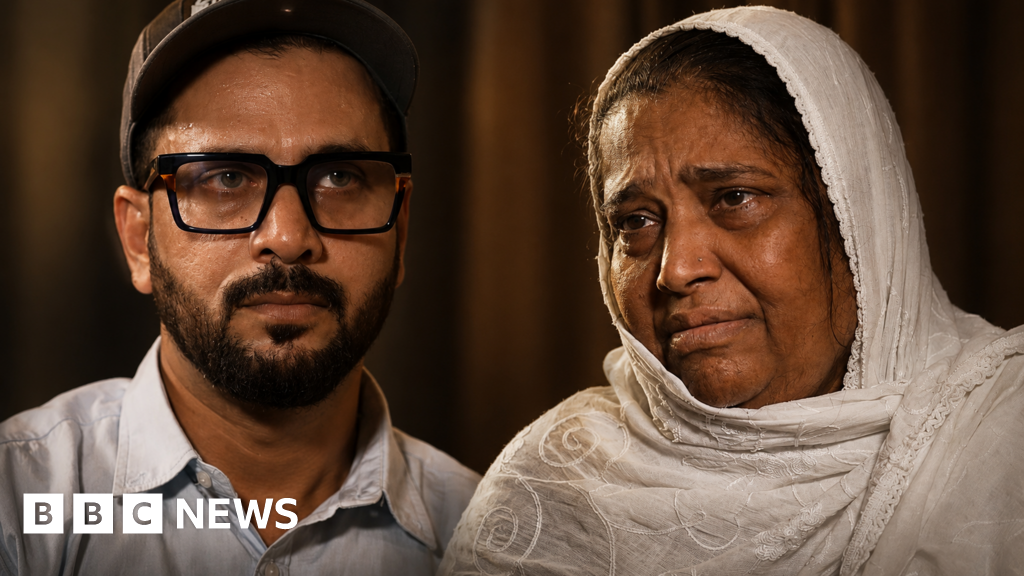
A year after the tragic Air India crash, the Ali family reflects on grief, unanswered questions, and the enduring bonds of love in the face of loss.
BBC Business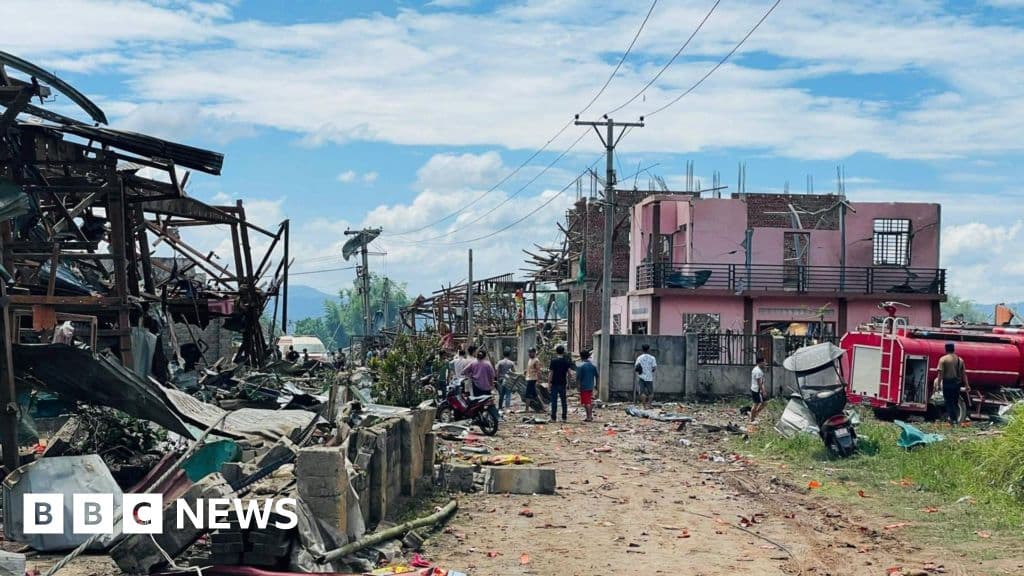
A devastating explosion in Myanmar's Kaung Tat village has killed at least 55 people, raising serious safety concerns and questions about civilian protection in conflict zones.
BBC World