
Image: Indian Express
Workers in India are recording their tasks for robots, raising concerns of job loss and ethical implications in a new era of automation. What’s next?
GlipzoIn a startling trend emerging from industrial sectors, workers in India are being asked to document their daily tasks in real-time as part of a shift towards automation. At a textile factory in Nagpur, 30-year-old Ashish Narayan, a machine technician, straps a small recording device to his forehead every morning before work. This camera records his every move, capturing critical actions such as adjusting loom tension and troubleshooting machinery. Narayan, along with hundreds of other factory employees, must keep the device on throughout his shift, only removing it during breaks.
This initiative highlights a growing industry focus on gathering what is termed “egocentric data.” This refers to first-person recordings of human activities designed to teach machines the nuances of physical tasks. Narayan expressed his concerns, stating, “To me, it feels like working in your own grave, while you make your own casket.” His apprehension stems from the reality that the videos recorded may eventually lead to his own job displacement.
The significance of this recording effort cannot be overstated. As robots evolve, they still face challenges in replicating the intricate subtleties of human movements. Tasks such as adjusting pressure on a machine, handling delicate materials, and responding to minute changes in texture remain difficult for robots. A report by Stellaris Venture Partners, released in April, highlights the urgent demand for 100 million to 1 billion hours of egocentric pre-training data from robotics labs within the next two to three years.
The ultimate goal of this data collection is to develop robots capable of functioning in real-world settings with human-like adaptability. Traditional industrial robots have excelled in repetitive tasks within controlled environments, but new AI-driven systems are designed for dynamic situations. These robots must continually adapt to unpredictable conditions in various settings, including warehouses, factories, homes, and hospitals. To achieve this level of sophistication, robotics companies require an extensive amount of human behavioral data. The ambition extends beyond simple task automation; it aims to cultivate machines that can learn and apply physical intelligence autonomously.
However, this technological advancement raises significant concerns regarding power dynamics in the workplace. Narayan revealed that while management framed the data collection as a means to “improve operations,” there was a noticeable lack of clarity regarding the purpose of the recordings and how they would be utilized. Workers are often left in the dark about what exactly is being documented and where this data will ultimately end up.
In industries characterized by job insecurity and limited worker protections, employees frequently find themselves in no position to refuse participation in these initiatives. They are not only responsible for producing garments or maintaining machines but are also inadvertently generating valuable behavioral data—skills and knowledge that could eventually lead to their own replacement.
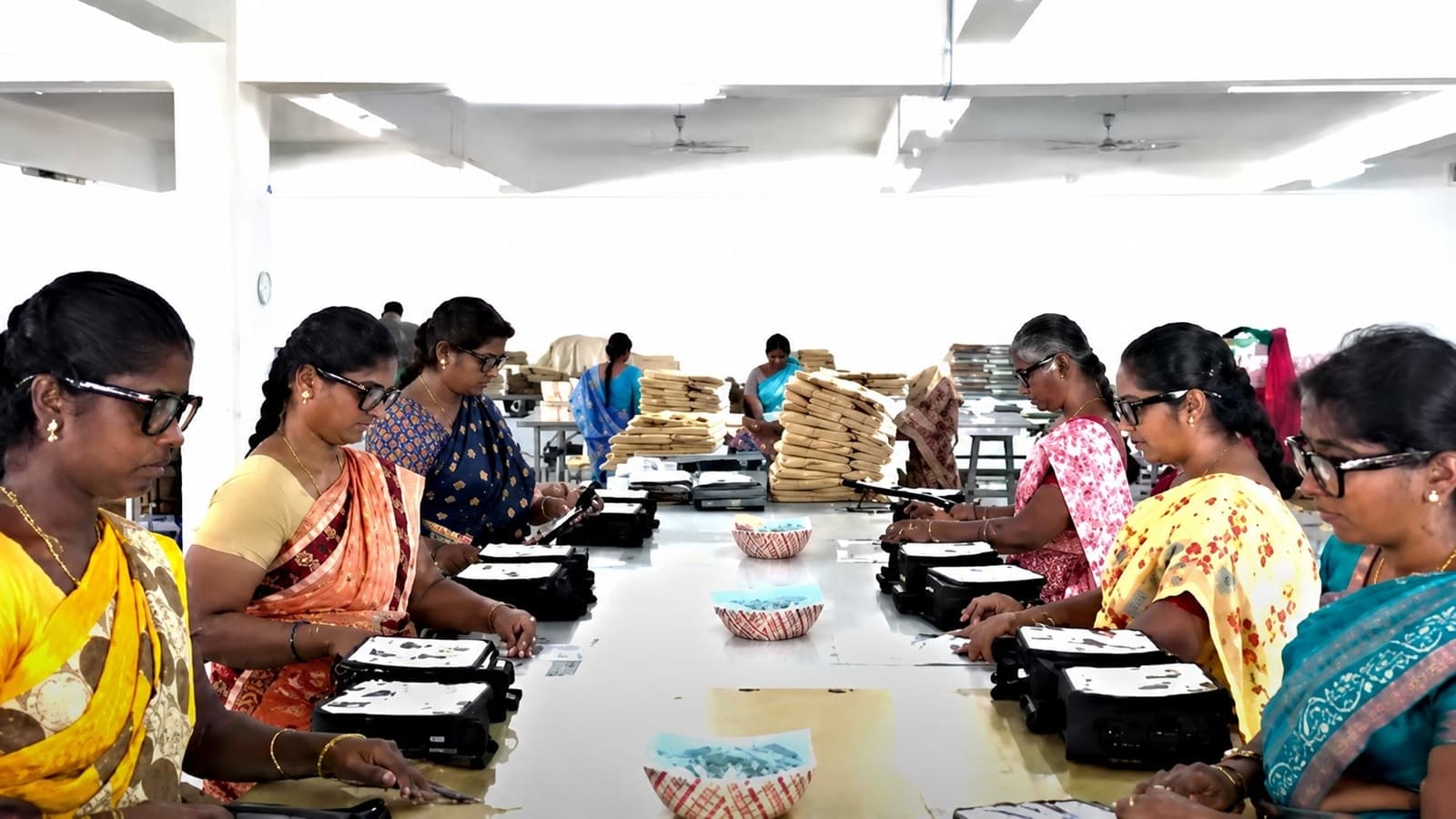
In a different textile factory located in Tamil Nadu, female workers have begun using smart glasses developed by Meta to record their hand movements while packing items. The manufacturing company collaborates with Objectways, a US-based AI data solutions firm, which collects, annotates, and sells this data to robotics companies. Objectways has contracted hundreds of Indian workers across multiple factory floors, even extending efforts to workers at home, asking them to document tasks like cutting fruits, cleaning utensils, and folding clothes. This strategy aims to compile comprehensive human-centric data for robotics labs.
Ravi Shankar, President of Objectways, emphasized the unique nature of this data collection process. He stated that while general-purpose AI systems rely on widely available datasets, the specialized nature of egocentric data offers insights into specific human tasks. This targeted approach is crucial in developing robots capable of performing complex activities that require a high degree of finesse.
The implications of this evolving landscape are profound. As factories and industries increasingly integrate robotic systems powered by AI, the skills and jobs of many workers are at risk. The collection of egocentric data not only enhances automation technology but also raises ethical questions about worker surveillance and rights.
In the coming years, as robotics technology advances, we may witness a significant shift in the employment landscape. Workers must adapt to these changes, and industries must ensure transparency and fair practices regarding data collection and its implications.
As industries continue to prioritize automation, the demand for skilled human behavior data will only increase. Workers and labor advocates must engage in discussions about the ethical usage of their contributions to ensure they are not inadvertently paving the way for their own obsolescence.
What to watch for: - The potential for labor regulations to evolve in response to these technological changes. - Increased public awareness and discourse surrounding data privacy and worker rights. - Innovations in robotics that may redefine job roles rather than eliminate them outright.
As we move forward, it is crucial for both workers and employers to navigate this transformative period with a focus on collaboration and ethical considerations in the age of automation.

Commercial LPG prices have risen again, with increases of ₹42 in Delhi and ₹53.50 in Kolkata impacting businesses and consumers alike. Find out more.
Indian Express
Discover how a tragic coal mine explosion in Shanxi, China, reveals ongoing safety concerns in the industry amidst a push for green energy.
BBC Business
Montek Singh Ahluwalia highlights key economic challenges for India, emphasizing the need for a strategic approach to balance payments and investment.
Indian Express