
Image: Indian Express
Montek Singh Ahluwalia highlights key economic challenges for India, emphasizing the need for a strategic approach to balance payments and investment.
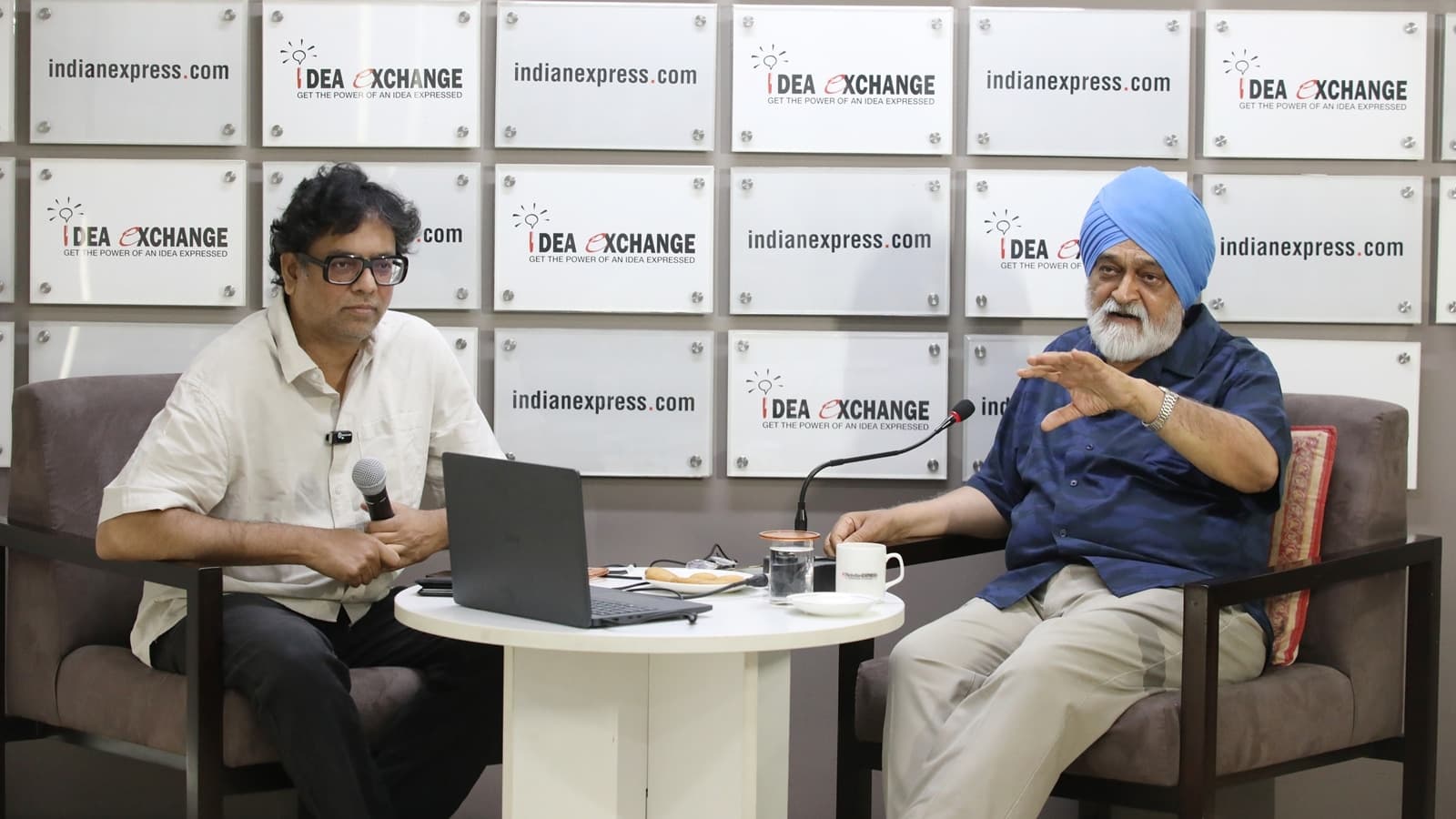
GlipzoIn a thought-provoking session at the Idea Exchange, renowned economist Montek Singh Ahluwalia shared vital insights on India's economic trajectory, emphasizing the need for a strategic approach to managing the balance of payments, export dynamics, and the implications of rupee depreciation. Moderated by P. Vaidyanathan Iyer, Managing Editor of The Indian Express, the discussion spanned multiple facets of India's economy, highlighting both challenges and opportunities in light of recent global events.
Reflecting on the economic policies of the last two decades, Iyer asked Ahluwalia to compare the first 14 years post-2000 with the subsequent period. Ahluwalia pointed out that the Indian economy has witnessed three distinct governments: the NDA under Atal Bihari Vajpayee from 1998-2004, the UPA from 2004-2014, and the current NDA led by Narendra Modi since 2014. While all three administrations have recognized the need for economic reforms, their approaches have been gradual rather than transformative, diverging from the significant shifts initiated in 1991.
Ahluwalia expressed a cautious optimism about this continuity across political parties, indicating a broad consensus regarding reformative directions. He noted, however, that the pace of change has been excessively slow, stating, "We are at a stage where gradualism will not suffice."
Turning to the present, Ahluwalia emphasized that while the global focus may be elsewhere, this presents an opportunity for India to redefine its narrative. "The positive aspects of our economy are evident," he remarked, citing favorable demographics and a robust growth rate exceeding 8% in the years leading up to 2010. Improvements in infrastructure and logistics, coupled with the expansion of digital public infrastructure, have bolstered financial inclusion in the country.
However, he cautioned that these achievements are merely stepping stones. To regain international focus and confidence, India must clearly articulate strategies to address immediate challenges stemming from the ongoing oil crisis and the long-term objective of achieving Viksit Bharat, or a developed India.
When discussing the balance of payments, Ahluwalia acknowledged the pressing challenges posed by the ongoing geopolitical tensions, particularly the war impacting oil supplies. "The situation remains precarious with no immediate resolution in sight," he stated, noting that while the U.S. and Iran seem inclined to avoid escalation, uncertainties around oil supply normalization linger.
He elaborated on the implications of fluctuating oil prices, currently hovering below $100 per barrel, which are significantly higher than the previous year. "We must devise a credible strategy to manage our balance of payments during these turbulent times," he advised, emphasizing the critical need for proactive measures.
Ahluwalia also highlighted India's reputation as an 'investor unfriendly' destination, attributing this to factors such as retrospective taxation and unpredictable policy changes that deter foreign investors. He underscored the importance of establishing Bilateral Investment Treaties to restore confidence and attract foreign direct investment (FDI).
Despite managing a modest current account deficit averaging around 1.5% of GDP, the significant decline in capital account surplus—now nearly nonexistent—has raised alarms. Ahluwalia noted the sharp fall in net FDI and foreign portfolio investment flows, which could have long-term repercussions for India’s economic stability.
Ahluwalia concluded with a call to action, stressing the importance of creating a stable economic environment that encourages investment and fosters growth. The immediate focus should be on navigating the complexities of the global economy while ensuring that domestic policies support sustainable development.
Why It Matters: The insights shared by Ahluwalia resonate deeply with ongoing discussions about India's economic future. As geopolitical tensions evolve and global markets fluctuate, India’s ability to adapt and innovate will be crucial in maintaining its growth trajectory and enhancing its position on the world stage.
Next Steps: Moving forward, stakeholders must monitor the developments surrounding oil prices and global economic policies closely. India's government and financial institutions need to prioritize transparency and stability to regain investor confidence and capitalize on the opportunities that lie ahead. Implementing robust strategies to manage the balance of payments and creating a conducive environment for foreign investments will be essential for a prosperous economic future.
In summary, Ahluwalia’s dialogue sheds light on the intricate balance of opportunities and challenges facing India's economy, urging a shift from gradualism to decisive action to achieve long-term growth and stability.
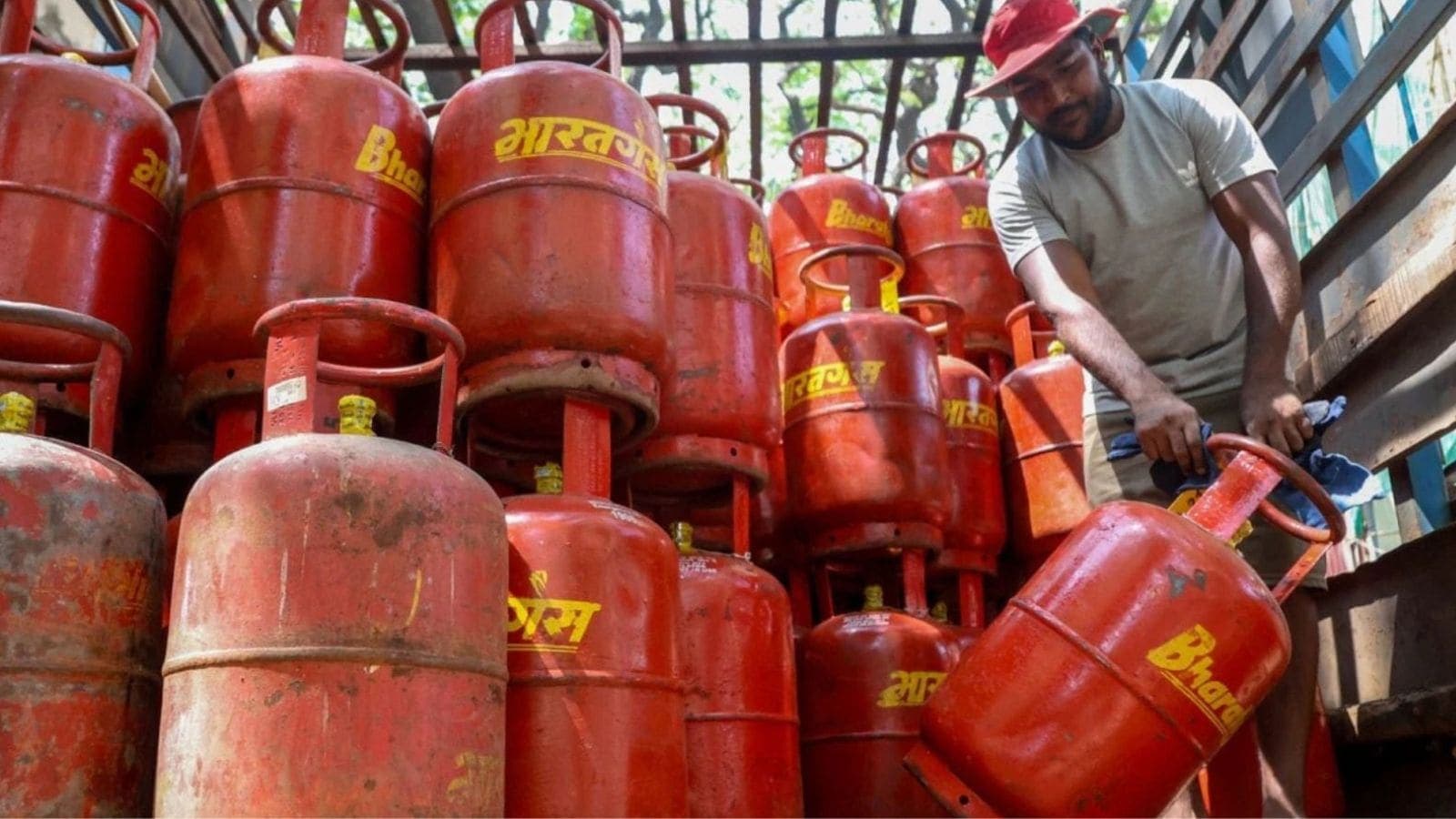
Commercial LPG prices have risen again, with increases of ₹42 in Delhi and ₹53.50 in Kolkata impacting businesses and consumers alike. Find out more.
Indian Express
Discover how a tragic coal mine explosion in Shanxi, China, reveals ongoing safety concerns in the industry amidst a push for green energy.
BBC Business
RBI's record Rs 2.87 lakh crore dividend raises questions about its significant profits. Explore how it navigates liquidity and currency defense strategies.
Indian Express