
Image: BBC Business
A woman's struggle to deposit a £900 HMRC cheque raises concerns over rural banking accessibility. What does this mean for the future of banking services?
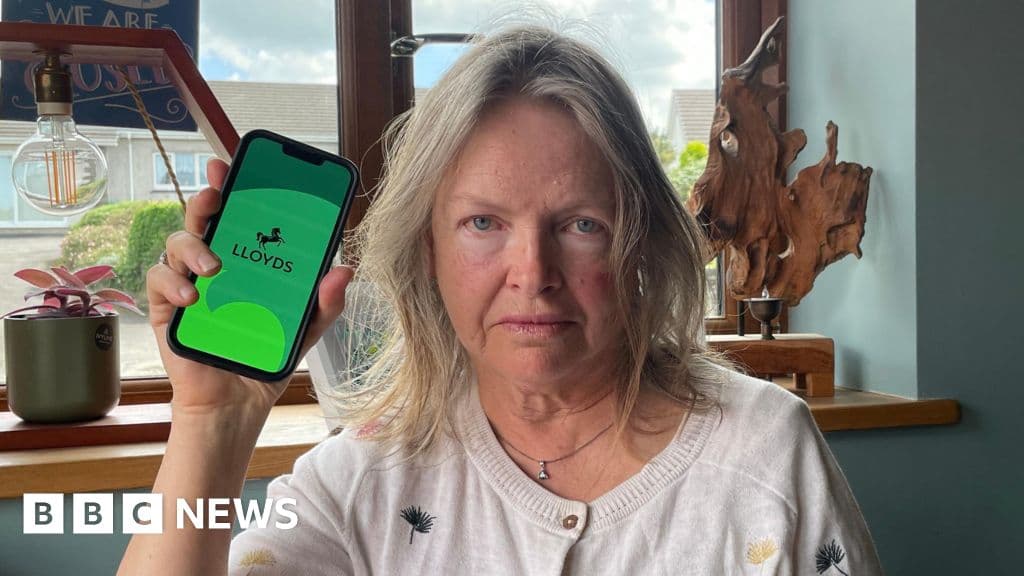
GlipzoIn a striking incident that highlights the challenges faced by rural communities, Annabel Yates, a resident of Crackington Haven in Cornwall, has brought attention to the limitations of modern banking. After receiving a £900 cheque from HM Revenue and Customs (HMRC), she encountered unexpected hurdles when trying to deposit it. The cheque lacked perforated edges, rendering it unscannable for online deposit through her bank, prompting a desperate journey.
Yates's attempt to deposit her cheque took a frustrating turn when she visited her local post office, only to discover that Lloyds Banking Group customers were no longer able to deposit cheques through that channel since the service was discontinued in January. This left her with no choice but to undertake a 94-mile (150 km) trip to a branch in Truro to complete the transaction. This experience raises significant questions about the accessibility of banking services in rural areas.
Following her ordeal, Yates has called on Lloyds to reconsider its policies, arguing that they effectively disenfranchise rural residents. "I think the bank's theory is everything could be done on an app, and that's just not always the case. It's very backwards thinking," she stated, expressing her concerns about the bank's approach to customer service in less accessible areas.
Despite the bank's assurances that customers can deposit cheques via its app, visit any branch, or utilize a freepost deposit service, Yates remained skeptical about mailing such a significant amount. "I did not want a cheque in the post for such a large sum when you are not sure it would actually reach its destination," she added, reflecting the distrust that can arise in such transactions.
Lloyds Banking Group, which encompasses Lloyds, Halifax, and Bank of Scotland, has reported that cheque usage has sharply declined, accounting for only 0.1% of all UK payments as of 2024. This trend is alarming for those who still rely on cheques, particularly in rural settings where digital banking may not be as widespread or reliable.
Joanna Bickersteth, the postmistress at Marshgate Post Office, noted that Yates's experience is not unique. Many customers share her frustrations regarding the loss of the ability to deposit cheques at post offices. "Cheques are still used a great deal, and I still process them regularly, but the change in January reduced the facilities available to customers by taking away the post office element," she explained.
The newly established banking hub in Bude also faces limitations, as it cannot cash cheques being a Post Office facility. This situation emphasizes the need for banks to adapt to the realities of their customer base, especially in areas with limited banking infrastructure.
Lloyds Banking Group recently updated the terms and conditions for certain accounts, informing customers of the changes to cheque deposit services at post offices. However, the transition has left many feeling disconnected from essential banking services. The decline in cheque usage, while statistically significant, does not reflect the needs of every customer, particularly in rural communities where traditional banking methods are still preferred.
A spokesperson from HMRC pointed out that most customers can request refunds through bank transfers using their personal tax accounts or the HMRC app, noting that the majority of repayments are now issued this way. Nevertheless, this does not alleviate the concerns of individuals like Yates, who are unable to navigate a banking landscape that seems increasingly distant from their needs.
The situation faced by Annabel Yates underscores a broader issue: the accessibility of banking services in rural areas. As financial institutions move towards digital solutions, the risk is that they may overlook the unique circumstances of rural populations, leading to disenfranchisement and frustration among those who are not fully equipped or willing to embrace digital banking.
This predicament is critical not only for individual customers but also for the future of banking in rural communities. If banks fail to find a balance between modern technology and traditional methods, they may alienate a significant portion of their customer base.
Moving forward, it will be essential for banks like Lloyds to reevaluate their policies and consider the needs of their rural clientele. The increasing reliance on digital banking must be matched with accessible alternatives for those who prefer or require traditional banking methods.
In summary, the case of Annabel Yates serves as a reminder of the importance of considering diverse banking needs as society becomes more digitized. Ensuring that all customers, regardless of their location, can access reliable banking services is crucial for maintaining trust and satisfaction in the financial system.
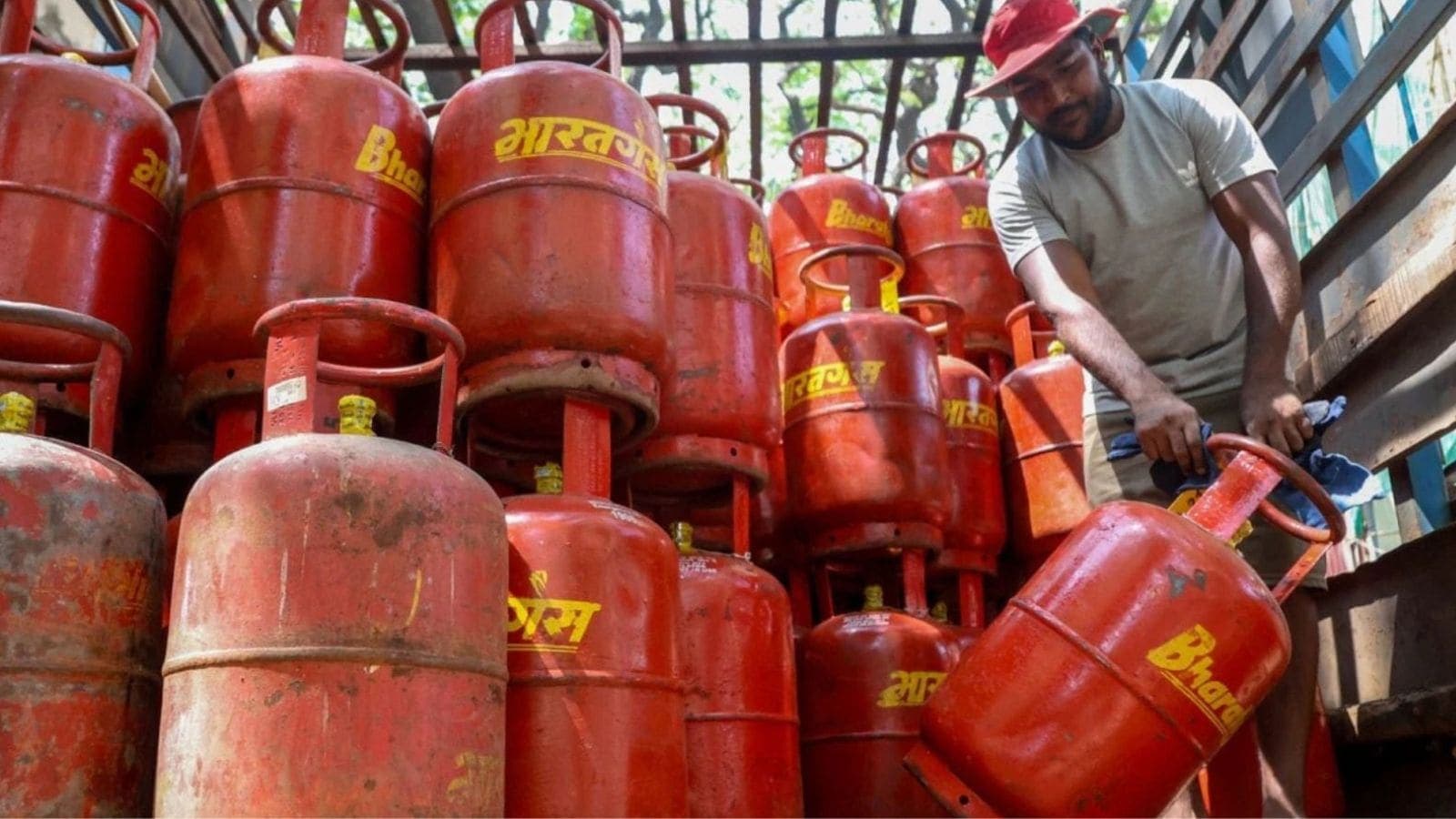
Commercial LPG prices have risen again, with increases of ₹42 in Delhi and ₹53.50 in Kolkata impacting businesses and consumers alike. Find out more.
Indian Express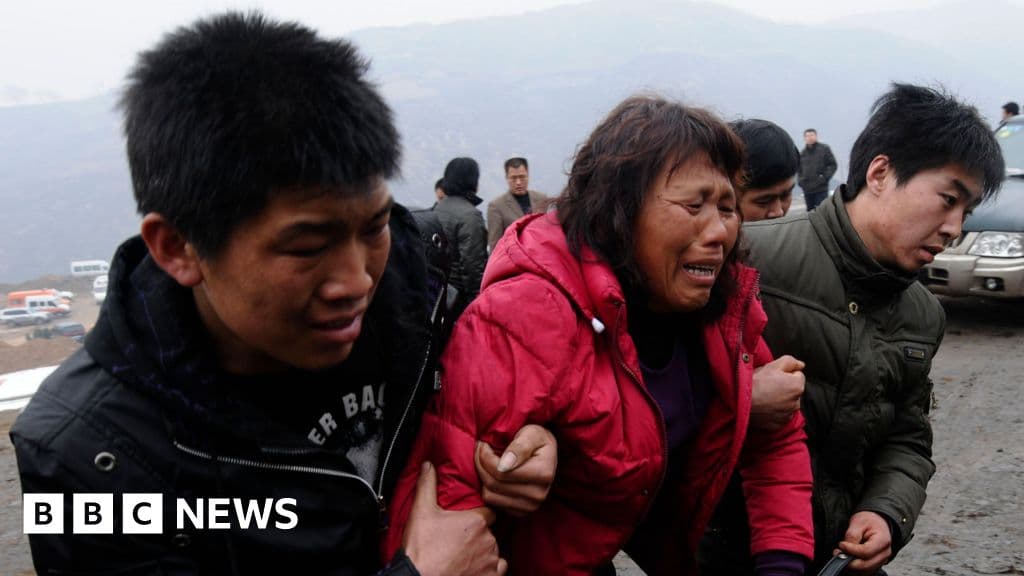
Discover how a tragic coal mine explosion in Shanxi, China, reveals ongoing safety concerns in the industry amidst a push for green energy.
BBC Business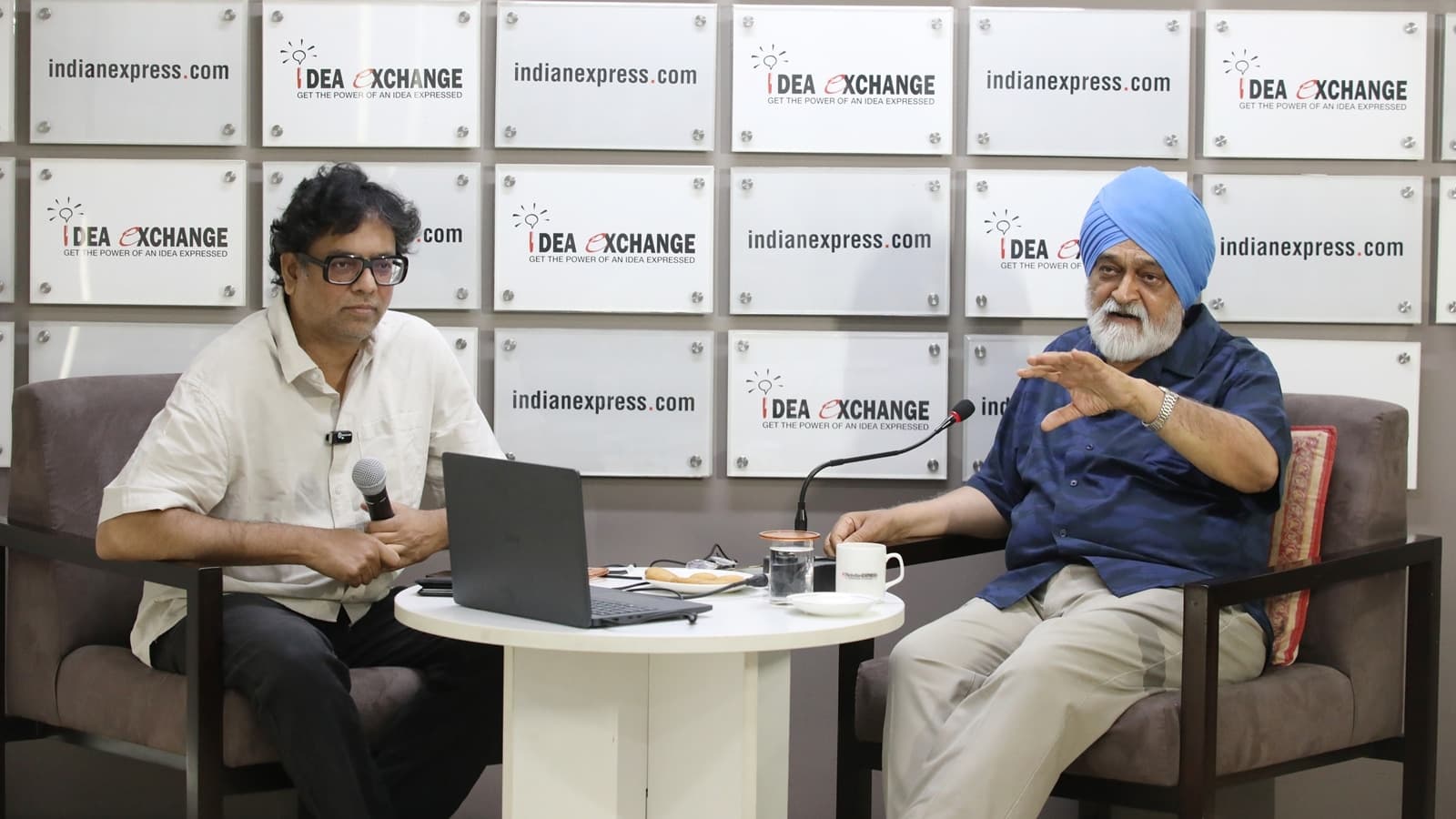
Montek Singh Ahluwalia highlights key economic challenges for India, emphasizing the need for a strategic approach to balance payments and investment.
Indian Express