

Image: The Verge
Microsoft is reintroducing the movable taskbar in Windows 11, allowing users to customize their workspace further. Discover the upcoming changes here!
GlipzoIn a significant announcement from Microsoft, the company is set to reintroduce the long-awaited feature of a movable taskbar in Windows 11. This change marks a major evolution for the operating system, which has faced criticism since its launch in 2021. With users clamoring for more customization options, the ability to relocate the taskbar to the top or sides of the screen is expected to enhance user experience and productivity.
“Repositioning the taskbar is one of the top asks we’ve heard from you,” stated Pavan Davuluri, the chief of Windows. This statement underscores Microsoft’s commitment to listening to its user base and addressing their feedback. The new feature will be available to Windows Insiders in the coming weeks, with a broader rollout for all Windows 11 users anticipated later this year.
The introduction of a movable taskbar is not just a cosmetic change; it’s a return to a feature that has been a staple in Windows for decades. When Windows 11 was launched, it stripped away this functionality, leaving many users frustrated. The redesigned taskbar was initially developed for Windows 10X, intended for dual-screen devices, but after its pivot to Windows 11, many users felt it lost essential features.
The movable taskbar will allow users to personalize their workspace, catering to individual preferences and enhancing multitasking capabilities. Additionally, Microsoft is also working on a smaller taskbar, which will provide users with even more flexibility in how they set up their desktops. This update reflects a growing trend in software development: the importance of user-centric design.
As Microsoft continues to roll out features in response to user feedback, it is clear that the company is focused on improving the overall user experience of Windows 11. Recently, the tech giant has also tested a new agenda calendar view in the Windows 11 notification center, a feature that had been part of Windows 10 but was removed in the latest version. Such enhancements indicate that Microsoft is not only addressing past grievances but is also committed to innovating its operating system further.
The excitement surrounding the movable taskbar is palpable among users who have been vocal about their dissatisfaction with the current design. Many have taken to social media and forums, expressing their hope that these changes will resolve the frustrations they have faced since upgrading to Windows 11.
This update is likely to boost user satisfaction and could lead to increased adoption rates for Windows 11 among those who have been hesitant to upgrade due to the taskbar limitations. It also serves as a reminder that feedback from the community can shape product development in meaningful ways.
As Microsoft pushes forward with its updates, users can expect a more refined and functional experience with Windows 11. The return of the movable taskbar and the introduction of a smaller version signals that the company is serious about addressing user needs and enhancing their workflow.
In the coming months, it will be interesting to see how these changes impact user engagement and whether they lead to further improvements in Windows 11. For those eagerly awaiting these updates, the future looks promising, with an operating system that is not only more adaptable but also poised for continuous evolution.
Stay tuned for more updates as we follow the developments surrounding Windows 11 and its new features, ensuring that you remain informed about the latest in technology.
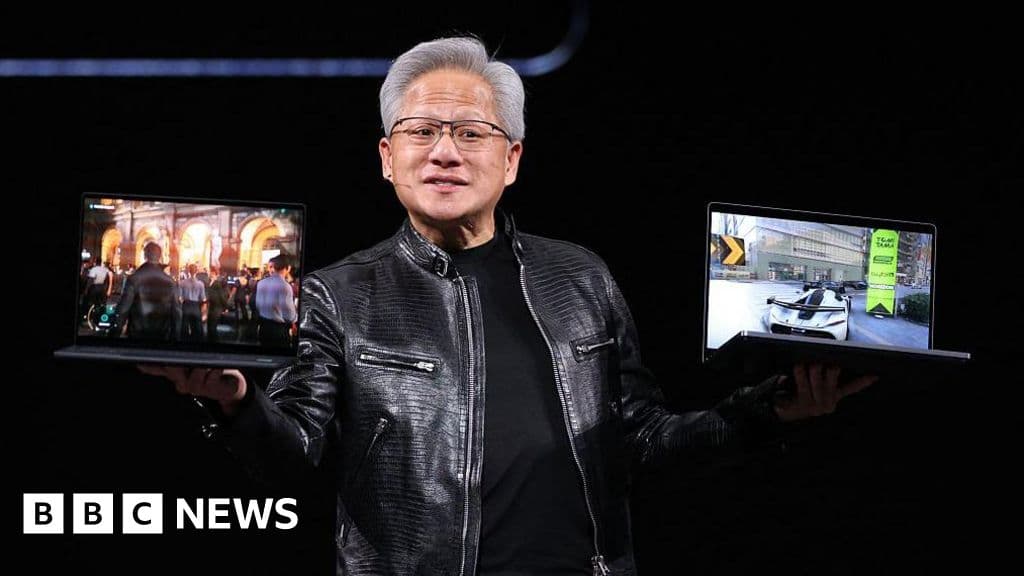
Nvidia's new RTX Spark chip aims to transform personal computing with AI, marking a significant shift in technology. Discover what this means for consumers.
BBC Business
The explosion of Blue Origin's New Glenn rocket raises significant concerns over NASA's lunar ambitions and the future of Amazon's satellite projects. Discover the implications.
BBC Science
Discover how Meta's lack of engagement on user bans raises critical concerns about accountability and transparency in social media governance.
BBC Technology