
Image: BBC Business
Nvidia's new RTX Spark chip aims to transform personal computing with AI, marking a significant shift in technology. Discover what this means for consumers.
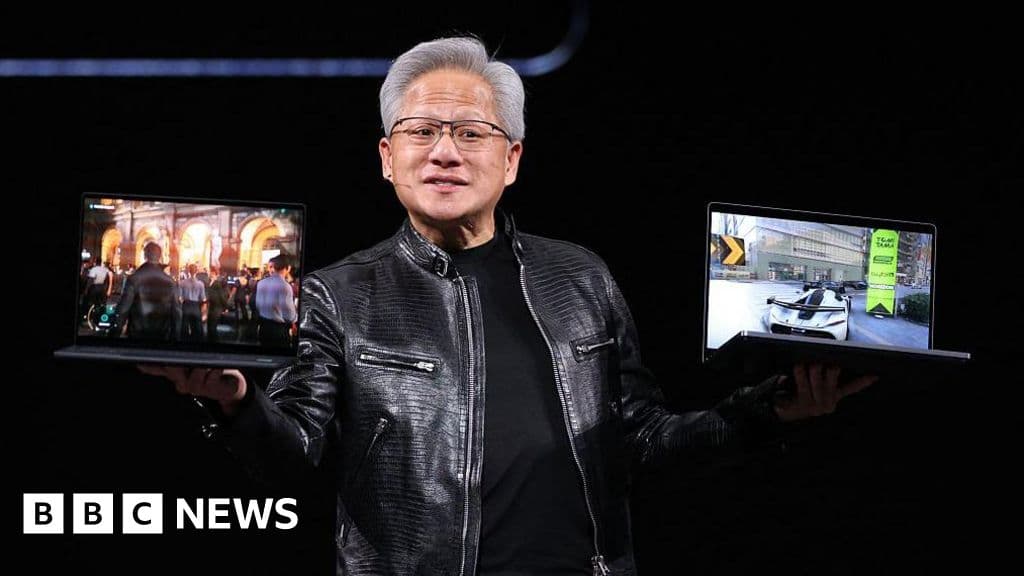
GlipzoNvidia has officially introduced its latest innovation, the RTX Spark chip, aimed at revolutionizing personal computing by integrating advanced artificial intelligence (AI) capabilities. This major announcement took place during a keynote address by Jensen Huang, Nvidia's CEO, on Monday, just before the Computex technology show kicked off in Taipei, Taiwan. Huang emphasized the monumental impact of this new chip by comparing it to the transformation of mobile phones into smartphones. "This reinvention of the computer is as big of a deal as the reinvention of the phone into what we now know as the smartphone," he stated, underlining the significance of their latest offering.
The RTX Spark chip is being touted as a pivotal advancement in the realm of personal AI agents. According to Nvidia, this chip represents a new category of computing technology that shifts the role of computers from mere tools to genuine teammates in daily tasks. The company has made it clear that the RTX Spark is designed for the era of personal AI, emphasizing its capabilities to support a wide array of applications that can enhance user experience across various platforms.
This chip will be integrated into a newly launched series of Windows PCs from major manufacturers, including Asus, Dell, HP, Lenovo, Microsoft Surface, and MSI. Consumers can expect these innovative devices to hit the market by autumn, with additional models from Acer and Gigabyte anticipated to follow soon after. With this strategic move, Nvidia is positioning itself to compete directly against established players in the PC industry, such as Apple and Intel.
Nvidia's rapid ascent in the tech world can largely be attributed to the AI boom, which has significantly boosted its market valuation, currently exceeding $5 trillion (£3.7 trillion). This staggering figure not only cements Nvidia's status as the most valuable company globally but also highlights the pivotal role AI technology plays in the modern economy. The launch of the RTX Spark chip is expected to further propel this growth as it taps into the burgeoning demand for AI-enhanced computing solutions.
As the competition heats up in the tech sector, Nvidia's new product could redefine consumer expectations and experiences. The integration of AI into personal computing is not just a trend; it represents a fundamental shift in how users interact with their devices.
In a related development, the U.S. Department of Commerce has tightened export regulations concerning advanced AI technologies, particularly targeting Nvidia's high-performance Blackwell processors. On Sunday, the department moved to close a loophole that previously allowed the export of such sophisticated chips to subsidiaries of Chinese companies located outside of China. This regulatory shift underscores Washington's ongoing efforts to restrict Chinese access to advanced technology crucial for the development of AI.
The implications of these regulatory changes are significant, as they could affect the global supply chain and competition in the AI landscape. By limiting foreign access to its most advanced chips, the U.S. aims to secure its leading position in the AI race, while also posing challenges to Chinese firms that rely on these technologies for innovation and development.
The introduction of the RTX Spark chip is not just a technological milestone; it represents a broader trend towards integrating AI into consumer products. As this technology becomes more accessible, we can anticipate a variety of applications that will enhance our daily lives, from smarter personal assistants to more efficient computing solutions that can adapt to our needs.
Furthermore, as companies like Nvidia continue to push the boundaries of what's possible with AI, we will likely see an increase in competition among tech giants. This competition could lead to rapid advancements in technology and a broader range of choices for consumers.
In conclusion, the launch of the RTX Spark chip marks a significant step forward in personal computing, with the potential to change how we interact with technology. As Nvidia continues to innovate, it will be crucial to monitor how these developments unfold in the coming months. The PC market is poised for disruption, and consumers will benefit from the increased capabilities and options that AI integration brings.
What to Watch For: - Upcoming releases of PCs featuring the RTX Spark chip - Reactions from competitors like Apple and Intel - The impact of U.S. export regulations on the global AI landscape - Consumer adoption and feedback on AI-integrated devices - Further advancements in AI technology from Nvidia and its rivals.

The explosion of Blue Origin's New Glenn rocket raises significant concerns over NASA's lunar ambitions and the future of Amazon's satellite projects. Discover the implications.
BBC Science
Discover how Meta's lack of engagement on user bans raises critical concerns about accountability and transparency in social media governance.
BBC Technology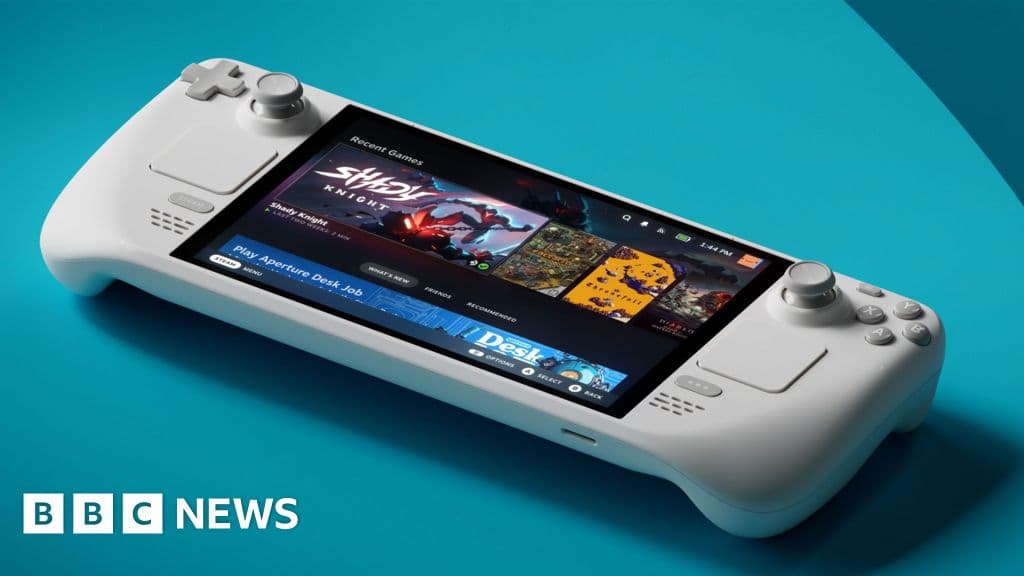
Valve raises Steam Deck prices by over 40% due to rising costs. What does this mean for gamers and the future of gaming hardware? Click to find out.
BBC Technology