

Image: The Hindu
Discover why a living will is essential for safeguarding your end-of-life wishes and ensuring dignity in critical medical situations.
GlipzoA living will is a crucial legal document that allows individuals to outline their preferences for medical treatment in the event of a terminal or irreversible condition. While we often celebrate the beginning of life with great enthusiasm, the end of life is frequently left to chance, leading to difficult decisions made at critical moments. This article aims to clarify the significance of having a living will and why it is essential for safeguarding your wishes during the final stages of life.
In our society, the focus traditionally leans heavily towards birth and the vibrant beginnings of life. Expecting parents prepare extensively for the arrival of a child, engaging in prenatal care and planning elaborate celebrations for milestones like first birthdays. In stark contrast, conversations about death and end-of-life care are often avoided or left unaddressed.
This reluctance can lead to a dangerous assumption: that someone else will make the right decisions for us at the end of our lives. However, no one, not even a medical professional, can predict how or when life will end. Whether faced with sudden illness or a lengthy decline due to chronic conditions, having a plan in place can make all the difference between a dignified passing and a distressing one for both patients and their families.
A living will serves as a guide for healthcare providers and family members in making treatment decisions when individuals are unable to communicate their preferences. This document is particularly relevant in scenarios where a person faces a terminal illness or an irreversible medical condition. By clearly stating their wishes, individuals can alleviate the burden placed on loved ones and healthcare professionals during emotionally charged moments.
Some situations where a living will becomes essential include: - Persistent vegetative state due to brain injuries, strokes, or other catastrophic events. - Metastatic cancer in advanced stages where further aggressive treatments do not improve the quality of life. - Severe, irreversible conditions where the focus shifts from curative measures to palliative care, aimed at ensuring comfort.
Many people assume that their family members will instinctively know their preferences if they become incapacitated. Unfortunately, this assumption rarely holds true. Decision-making in such high-stress scenarios can lead to chaos, emotional turmoil, and disputes among family members. Differences in opinions about treatment can result in: - Prolonged suffering for the patient, as treatments may continue without regard for quality of life. - Increased financial strain on families due to prolonged hospital stays or interventions that do not enhance recovery. - Confusion and anxiety for healthcare providers, who may feel compelled to pursue aggressive treatments even when they are not aligned with the patient’s wishes.
Creating a living will is not just about making decisions; it’s about ensuring that your voice is heard when you can no longer speak for yourself. Individuals are encouraged to document their treatment preferences while in good health and to engage in open discussions with family members about their wishes. This proactive approach can mitigate potential conflicts and ensure alignment among loved ones during difficult times.
Living wills are not applicable to everyone who is facing death. They primarily come into play when individuals cannot express their desires, making it even more critical to have these documents prepared in advance.
Having a living will is about the right to die with dignity. It empowers individuals to maintain control over their medical treatment, allowing them to choose comfort over invasive procedures that may prolong suffering. Additionally, it offers peace of mind for families, knowing they are honoring their loved one's wishes rather than grappling with uncertainty and guilt.
As society continues to evolve, the conversation around end-of-life care is becoming more prominent. More individuals are recognizing the importance of living wills and advanced healthcare directives as critical components of their overall healthcare planning. Here are some trends to watch for in the coming years: - Increased Awareness: Educational campaigns will likely promote the significance of living wills, encouraging more people to engage in conversations regarding their end-of-life preferences. - Legal Reforms: As the demand for personalized healthcare grows, there may be advancements in legal frameworks surrounding living wills, making them more accessible and easier to navigate. - Integration with Digital Health Tools: Technology may play a role in streamlining the process of creating and updating living wills, ensuring that individuals can easily communicate their wishes to healthcare providers.
In conclusion, the necessity of having a living will cannot be overstated. It is a vital instrument that allows individuals to assert their medical preferences, ensuring that their dignity is preserved at the end of life. By taking the time to prepare a living will, you can protect your choices and alleviate the burden on your loved ones during one of life’s most challenging transitions.

Shocking findings from Nottingham's maternity unit reveal a toxic culture and alarming neglect. What can be done to improve care? Discover the details.
BBC Health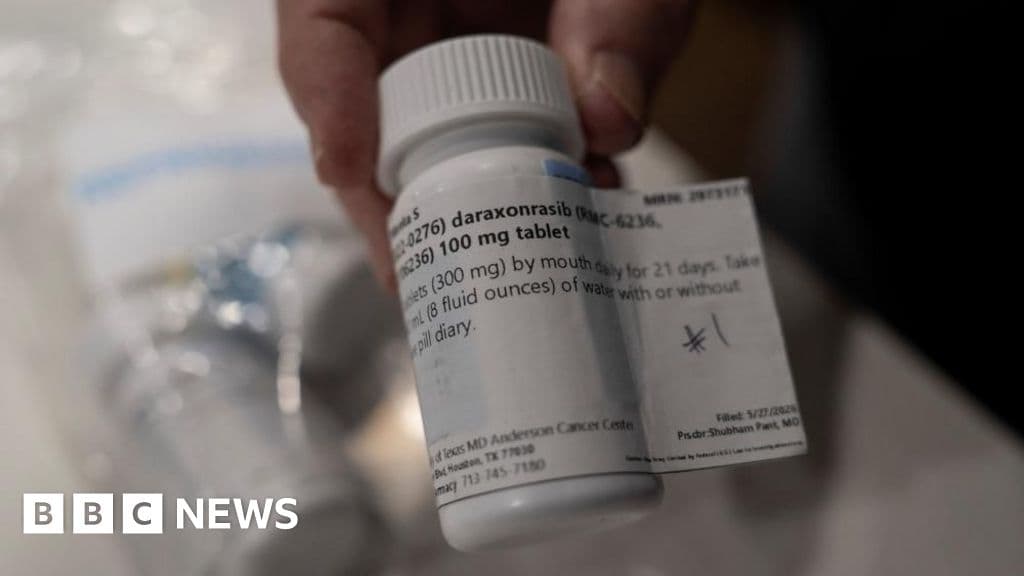
Discover how daraxonrasib, a new pill, is nearly doubling survival rates for pancreatic cancer patients, offering hope in a challenging battle against this deadly disease.
BBC Health
Waste companies propose a £5 deposit on vapes to encourage proper disposal and curb littering as the environmental impact of vapes increases.
BBC Business