
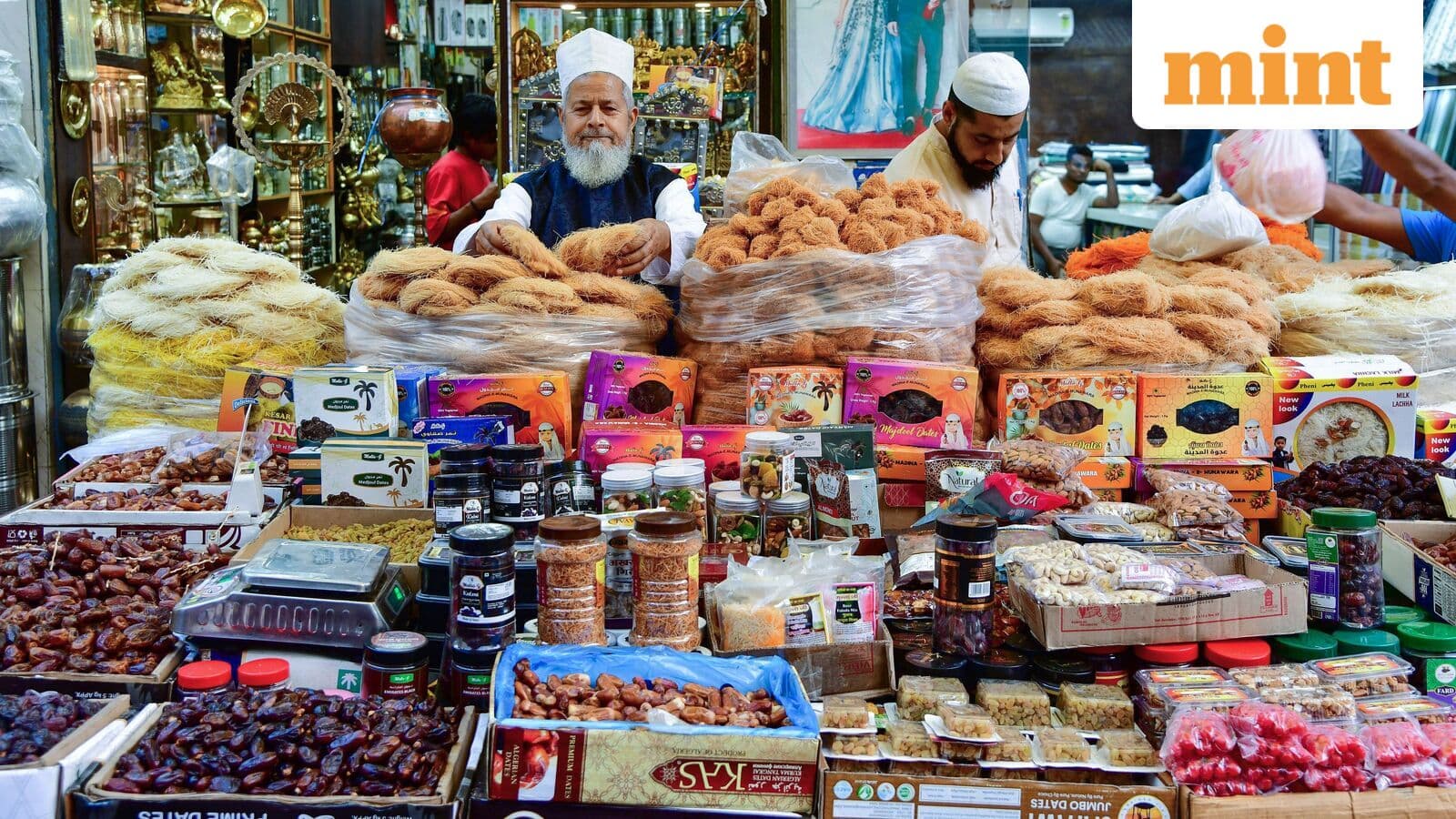
Image: Mint (Business)
Discover how moon sighting determines Eid dates globally, with insights into traditions, lunar calculations, and what to expect for this year's celebrations.
GlipzoThe dates for Eid-ul-Fitr, a major celebration among Muslims, rely heavily on the sighting of the crescent moon. This year, Saudi Arabia announced that the first day of Eid will fall on March 20, as the Shawwal crescent was not visible. Consequently, Ramadan in the kingdom will last for a full 30 days.
In India, the lunar month advances as Ramadan progresses. On March 18, India observed the 28th day of Ramadan. The crucial moon sighting is set for March 19, which marks the 29th day. If the moon is spotted on that evening, Eid will be celebrated on March 20, but if not, the festivities will commence on March 21.
Eid-ul-Fitr, marking the end of Ramadan, is celebrated on the 1st of Shawwal, the tenth month in the Islamic calendar. The commencement of this month is traditionally confirmed by witnessing the new moon, which is typically observed the evening prior.
The practice of moon sighting is rooted in the teachings of the Prophet Muhammad, who guided followers to begin fasting upon sighting the moon and to end their fast when it reappears. Therefore, the sighting directly influences the end of Ramadan and the subsequent celebration of Eid. If the moon is visible, Ramadan concludes, and Eid is celebrated the following day. If not, Ramadan extends to 30 days, with Eid celebrated a day later.
Due to these factors, Saudi Arabia, India, and other countries may find themselves celebrating Eid on different days. Traditionally, Saudi Arabia marks the beginning of Eid a day earlier than India, although this is not always the case.
Saudi Arabia’s importance is underscored by its housing of the two holiest mosques in Islam—those located in Mecca and Medina. These sites draw millions of pilgrims and are central to Islamic faith. As a result, the kingdom's announcements regarding Eid dates often serve as a reference point for many Muslim communities around the world.
While many Islamic communities still rely on the traditional method of moon sighting, some have begun to utilize astronomical calculations to predict lunar visibility. This approach aims to provide clarity and prevent confusion regarding Eid and Ramadan dates. In places like Lucknow, some Shia clerics have even used this method to forecast dates ahead of time. However, this practice has not gained widespread acceptance among all sects or communities.
Historically, India tends to celebrate Eid one day after Saudi Arabia, but there have been notable exceptions where both countries observed the holiday simultaneously.
The Islamic calendar operates on a lunar basis, where each month initiates with the sighting of a new crescent moon, known as hilal in Arabic. Unlike the Gregorian calendar, wherein months consist of fixed days, Islamic months can last 29 or 30 days based on the moon’s visibility.
Muslims celebrate two significant Eids each year: - Eid-ul-Fitr, which marks the conclusion of Ramadan, and - Eid-ul-Adha, occurring about two months later, commemorating the sacrifice of Prophet Ibrahim.
In conclusion, as the month of Ramadan draws to a close, the anticipation surrounding the moon sighting grows. The sighting not only determines the timing of Eid but also serves as a reminder of the traditions and teachings that have been passed down through generations.
As March 19 approaches, the Muslim community worldwide will be eagerly awaiting the crescent moon. With increasing reliance on astronomical predictions, there may be more discussions on the validity and acceptance of these methods versus traditional sightings. As we move forward, it will be interesting to observe how this debate evolves and whether it will impact future celebrations of Eid.
Stay tuned for updates and confirmations as the moon sighting approaches. The joy and unity brought forth by Eid are not just about the date; they embody the spirit of community and faith shared by millions around the globe.

Survivors of the Laos cave rescue are aiding efforts to find the last two missing men trapped inside, sharing crucial insights for the search operation.
BBC World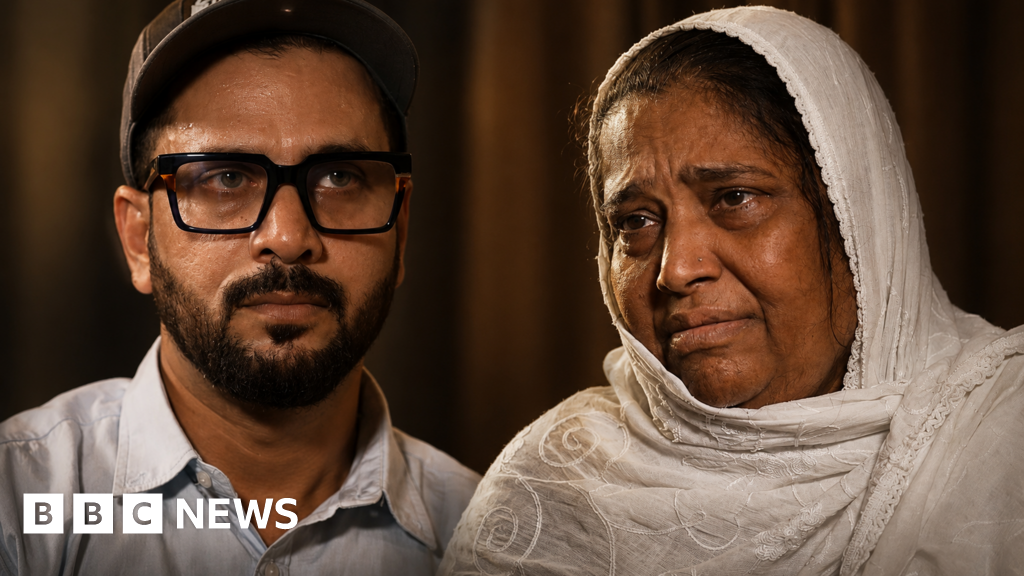
A year after the tragic Air India crash, the Ali family reflects on grief, unanswered questions, and the enduring bonds of love in the face of loss.
BBC Business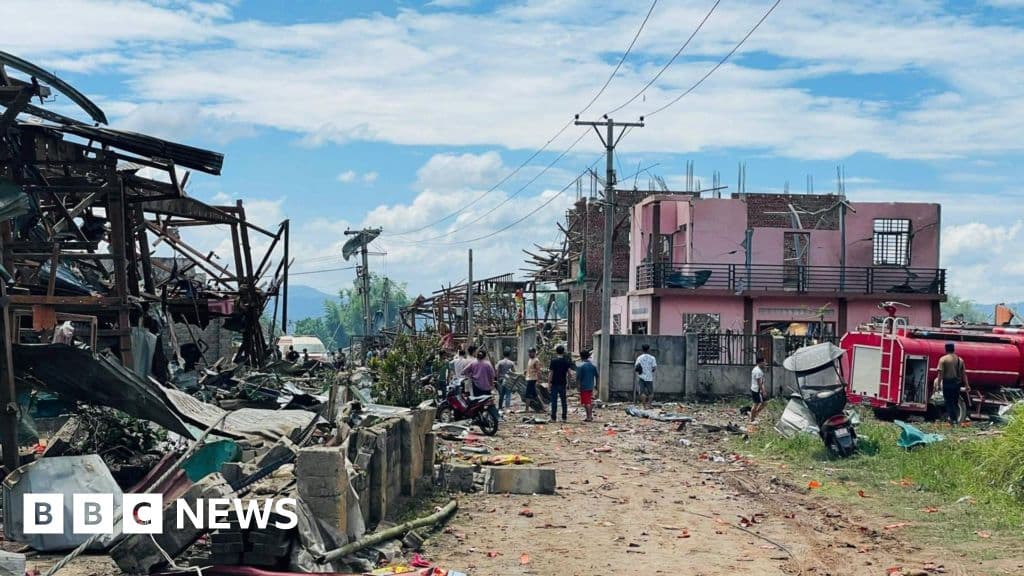
A devastating explosion in Myanmar's Kaung Tat village has killed at least 55 people, raising serious safety concerns and questions about civilian protection in conflict zones.
BBC World