
Image: BBC Business
The White House warns of extensive AI theft by Chinese firms, detailing strategies to combat these threats while fostering innovation and protecting U.S. technology.
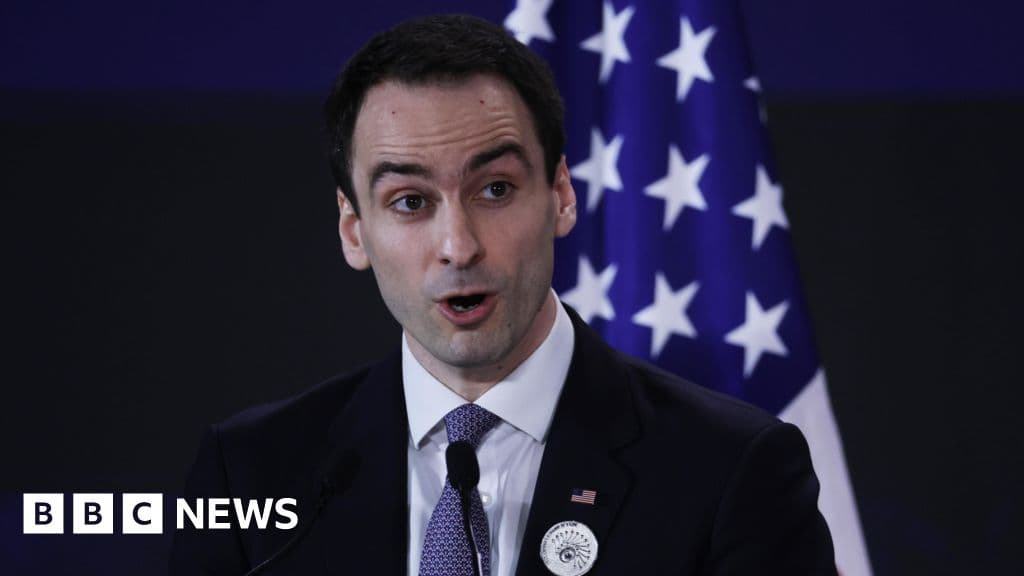
GlipzoIn a recent development, the White House has raised significant concerns regarding the activities of foreign entities, particularly those based in China, that allegedly engage in extensive theft of American artificial intelligence (AI) technology. Michael Kratsios, the Director of Science and Technology Policy, highlighted the issue in an internal memo, describing a troubling trend where foreign actors are executing what he termed "industrial-scale campaigns" aimed at stealing valuable innovations from U.S. firms.
The memo points to a specific method known as "distilling", whereby these foreign firms replicate AI technologies developed by American companies. Kratsios stated that this practice undermines American research and development while enabling foreign entities to access proprietary information without permission. The memo served as a call to action, urging collaboration between the U.S. government and domestic AI companies to combat this growing threat.
The White House has announced a proactive approach to address this situation. Kratsios outlined four strategic actions that the administration intends to pursue to mitigate and prevent the malicious exploitation of U.S. technological advancements. While the memo did not specify the details of these actions, the emphasis on collaboration suggests a potential increase in resources and support for U.S. firms facing these challenges.
The memo also reflects a broader concern regarding the integrity of AI technologies produced under such precarious circumstances. Kratsios pointed out that as detection methods for industrial-scale distillation become more advanced, the confidence in the reliability of AI models built on stolen technology should be minimal. This statement underscores the potential risks associated with relying on AI technologies that are not developed ethically or legitimately.
In response to the White House memo, a spokesperson from the Chinese embassy in Washington D.C. defended their country's advancements in AI. They asserted that China's progress is the result of its own dedicated efforts and international cooperation, rather than theft. The representative criticized what they termed an "unjustified suppression" of Chinese firms by the U.S., reiterating that China aims to be not only a manufacturing powerhouse but also an innovation lab on the global stage.
This diplomatic tension highlights the complex nature of international relationships in the tech sector, where accusations of theft and espionage can escalate into broader geopolitical disputes. The Chinese stance suggests that they view their technological advancements as legitimate, while the U.S. perceives them as a threat to national security and economic stability.
The process of distillation involves firms operating a multitude of accounts for specific AI tools, effectively masquerading as regular users. These accounts engage in coordinated efforts to extract sensitive information from AI models, which is then used to enhance their own systems. This tactic not only undermines the original creators but also poses risks to the overall AI landscape, as it raises questions about the authenticity and ethicality of AI technologies produced in this manner.
Leading AI companies, including OpenAI and Anthropic, have reported experiences with such distillation activities. Earlier this year, Anthropic flagged attacks from three Chinese-based laboratories: DeepSeek, Moonshot, and MiniMax. These labs allegedly attempted to replicate Anthropic's models through these distillation campaigns, further illustrating the threat posed by foreign entities.
The implications of these developments are significant for the future of AI innovation. As the U.S. government takes a firmer stance against these practices, the landscape of international tech competition is likely to evolve. Companies like OpenAI, which have already accused entities like DeepSeek of technology theft, are expected to bolster their defenses and potentially collaborate with government efforts to ensure their intellectual property is safeguarded.
In addition, these developments raise questions about the future of AI collaborations and partnerships on a global scale. As nations become more protective of their technological advancements, international cooperation may be hindered, leading to a more fragmented technology ecosystem.
Looking forward, the tech industry and stakeholders should prepare for heightened scrutiny and potential regulatory changes aimed at safeguarding AI innovations. Companies will need to be vigilant about their proprietary technologies and consider strategies for protecting their intellectual property from foreign exploitation.
Additionally, as discussions surrounding AI ethics and responsible innovation gain momentum, there could be a push for establishing international norms and agreements to prevent technology theft. The next few months will be critical as the U.S. government solidifies its response to these allegations and as the broader tech community navigates the challenges posed by international competition.
As the landscape of artificial intelligence continues to evolve, keeping an eye on the developments within this space will be essential for understanding the global dynamics of technology theft and innovation.
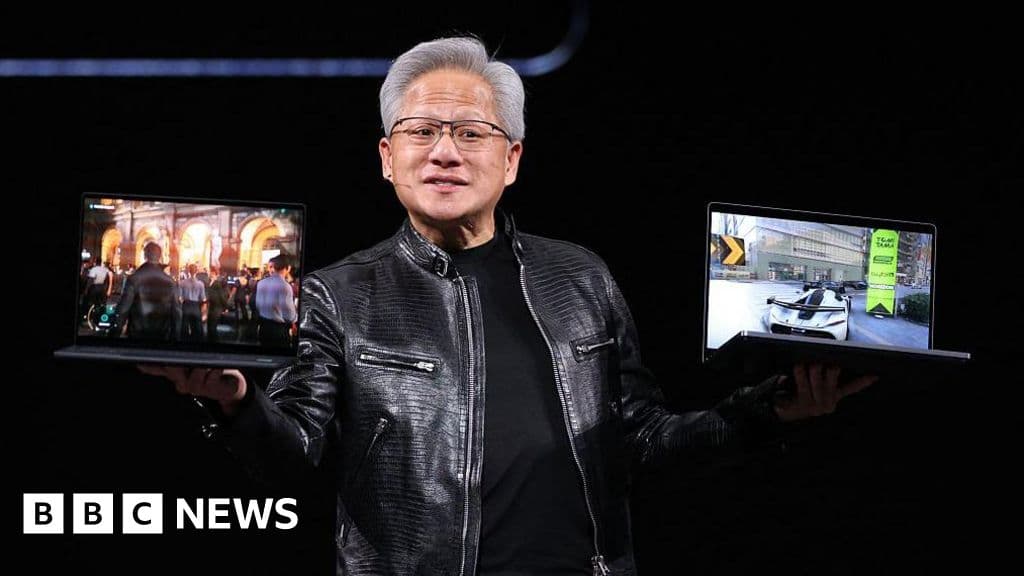
Nvidia's new RTX Spark chip aims to transform personal computing with AI, marking a significant shift in technology. Discover what this means for consumers.
BBC Business
The explosion of Blue Origin's New Glenn rocket raises significant concerns over NASA's lunar ambitions and the future of Amazon's satellite projects. Discover the implications.
BBC Science
Discover how Meta's lack of engagement on user bans raises critical concerns about accountability and transparency in social media governance.
BBC Technology