

Image: Mint (Business)
The World Economic Forum is exploring a board restructuring to enhance governance and adapt to recent controversies. What changes are on the horizon?
GlipzoThe World Economic Forum (WEF), widely recognized for its high-profile annual meetings in Davos, is reportedly contemplating a significant reduction in its board members. This potential restructuring could lead to a consolidation of power within the organization, raising eyebrows across the global community.
According to a recent Financial Times report, discussions around shrinking the current board, which consists of 28 members, are already underway. The proposals are set to be formally debated in the upcoming months, with a decision expected as early as the summer during the trustees' biannual in-person meeting.
The conversations about reshaping the WEF board are not entirely new. The idea has been gaining traction particularly after the recent appointments of Larry Fink, CEO of BlackRock, and Andre Hoffman, vice-chair of Roche, last month. Both of these leaders are influential figures in the finance and health sectors, respectively, and their inclusion has led to renewed scrutiny regarding the board's structure.
The timing of these discussions is particularly notable, as the WEF is navigating a period of upheaval. Klaus Schwab, the founder, stepped down from his chair position last year amidst allegations of financial misconduct and a toxic workplace environment. Additionally, Borge Brende, the chief executive, resigned last month due to ties with the disgraced financier Jeffrey Epstein, who has been convicted of child sex offenses.
A board member, reflecting on the need for a more effective governance structure, remarked to the Financial Times: “Before we move into a contest on future leadership for both the chair and chief executive roles, we need to do some housekeeping. We need to understand the benefit of such a large board of trustees. I am not sure there is one.” This sentiment underscores the growing concern regarding the board's efficacy and relevance.
The current composition of the WEF's board is a product of Schwab's vision for a diverse and expansive group, featuring prominent figures from various sectors including business, politics, science, and the arts. Notable members include Queen Rania of Jordan, Singapore's President, acclaimed cellist Yo-Yo Ma, and Marc Benioff, co-founder of Salesforce.
Despite this diversity, critics from both within and outside the organization are questioning the necessity of such a broad setup. A source close to the board commented, “The board and its composition are not new. But if you look at who is a member, and for how long, it is clear some should step down.” This highlights the need for a reevaluation of board membership.
The push to streamline the board also comes amid increasing pressure from Swiss regulators. The Swiss Federal Supervisory Authority for Foundations has reportedly suggested that a leaner board would be prudent. This adds another layer of urgency to the ongoing discussions.
While specific details about the proposed changes remain limited, one of the options being explored includes maintaining the current board while establishing a new governing body comprised of both existing and new members. However, insiders believe that a reduction in the number of board members is more likely than the creation of a new governing structure.
The potential restructuring of the WEF board is significant for several reasons: - Influence on Global Policy: The WEF plays a crucial role in shaping global economic and political agendas. A streamlined board could lead to more decisive actions and clearer leadership. - Restoration of Credibility: Following the recent controversies, a smaller board could help restore confidence in the WEF’s governance and oversight capabilities. - Adaptation to Modern Challenges: In a rapidly changing world, a more agile board may be better equipped to tackle emerging global issues.
As the WEF prepares for its critical discussions, all eyes will be on how the organization chooses to navigate these turbulent waters. The outcome of the board restructuring will not only impact the internal dynamics of the WEF but could also set precedents for how global organizations govern themselves in the future.
In the coming months, stakeholders will be looking for clarity on the board's composition, leadership roles, and strategic direction. The decisions made during the upcoming meetings may very well shape the future of the WEF and its influence on the global stage.
Stay tuned for further developments on this issue as the WEF continues to adapt to a changing world and its own internal challenges.
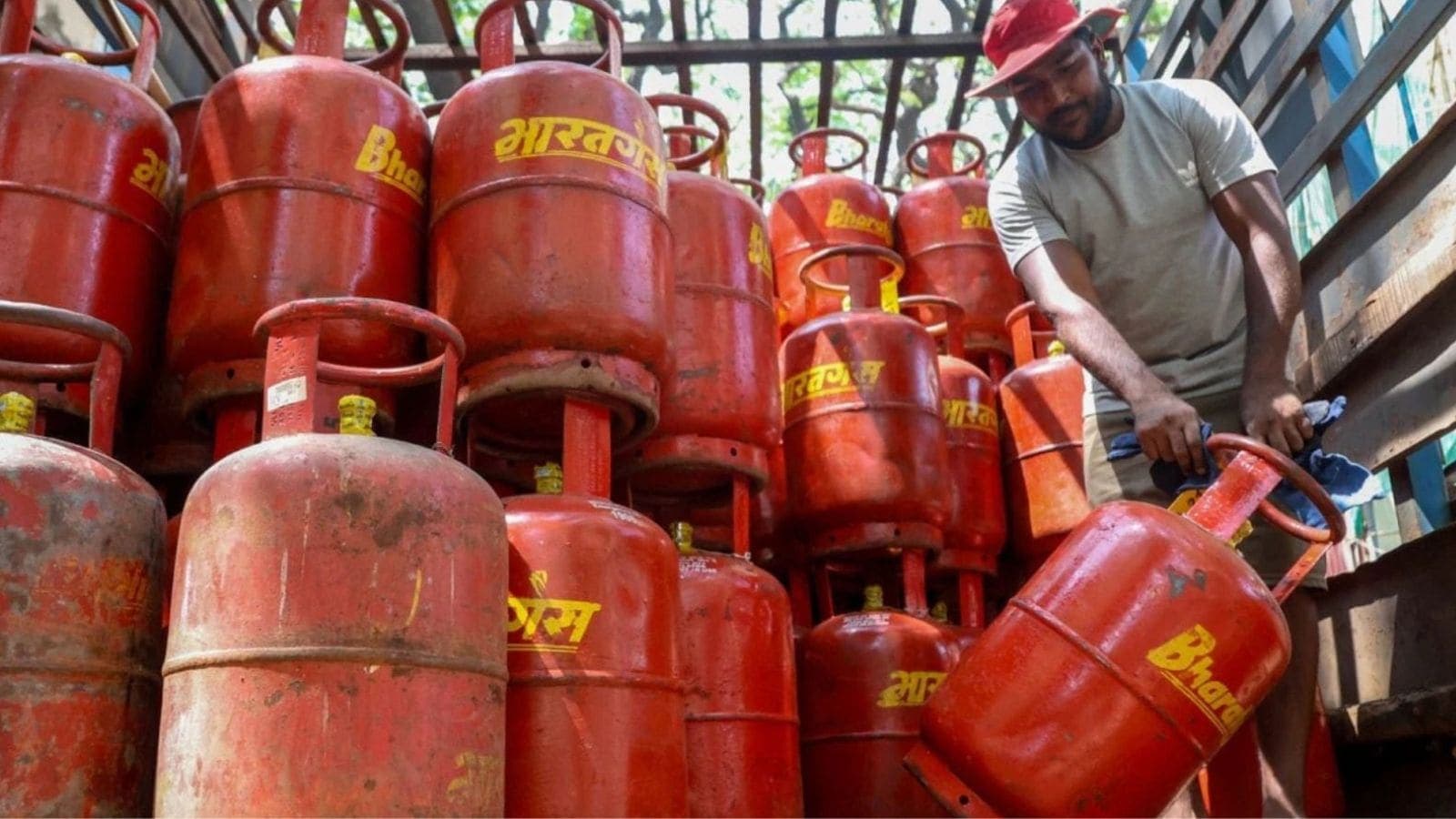
Commercial LPG prices have risen again, with increases of ₹42 in Delhi and ₹53.50 in Kolkata impacting businesses and consumers alike. Find out more.
Indian Express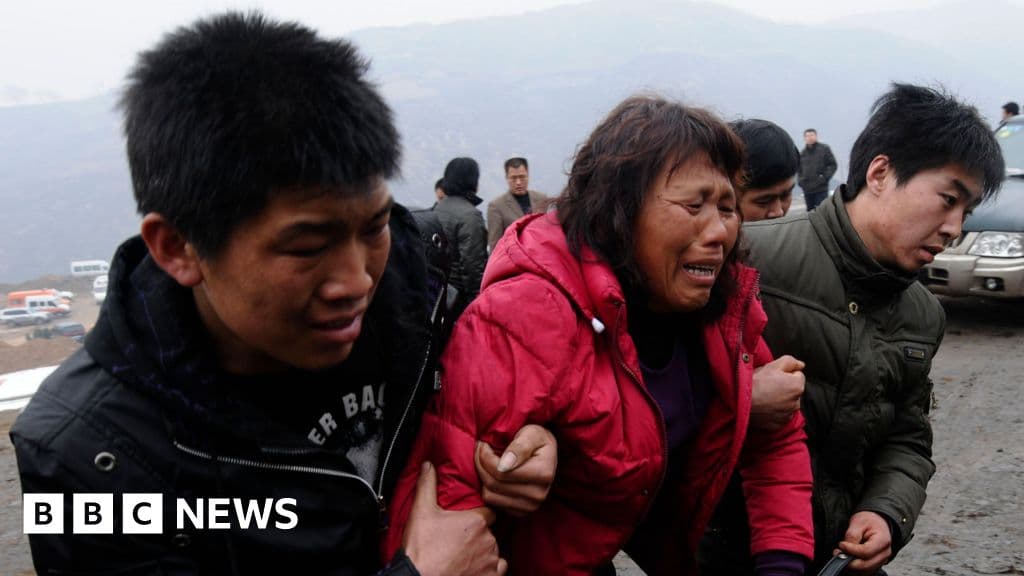
Discover how a tragic coal mine explosion in Shanxi, China, reveals ongoing safety concerns in the industry amidst a push for green energy.
BBC Business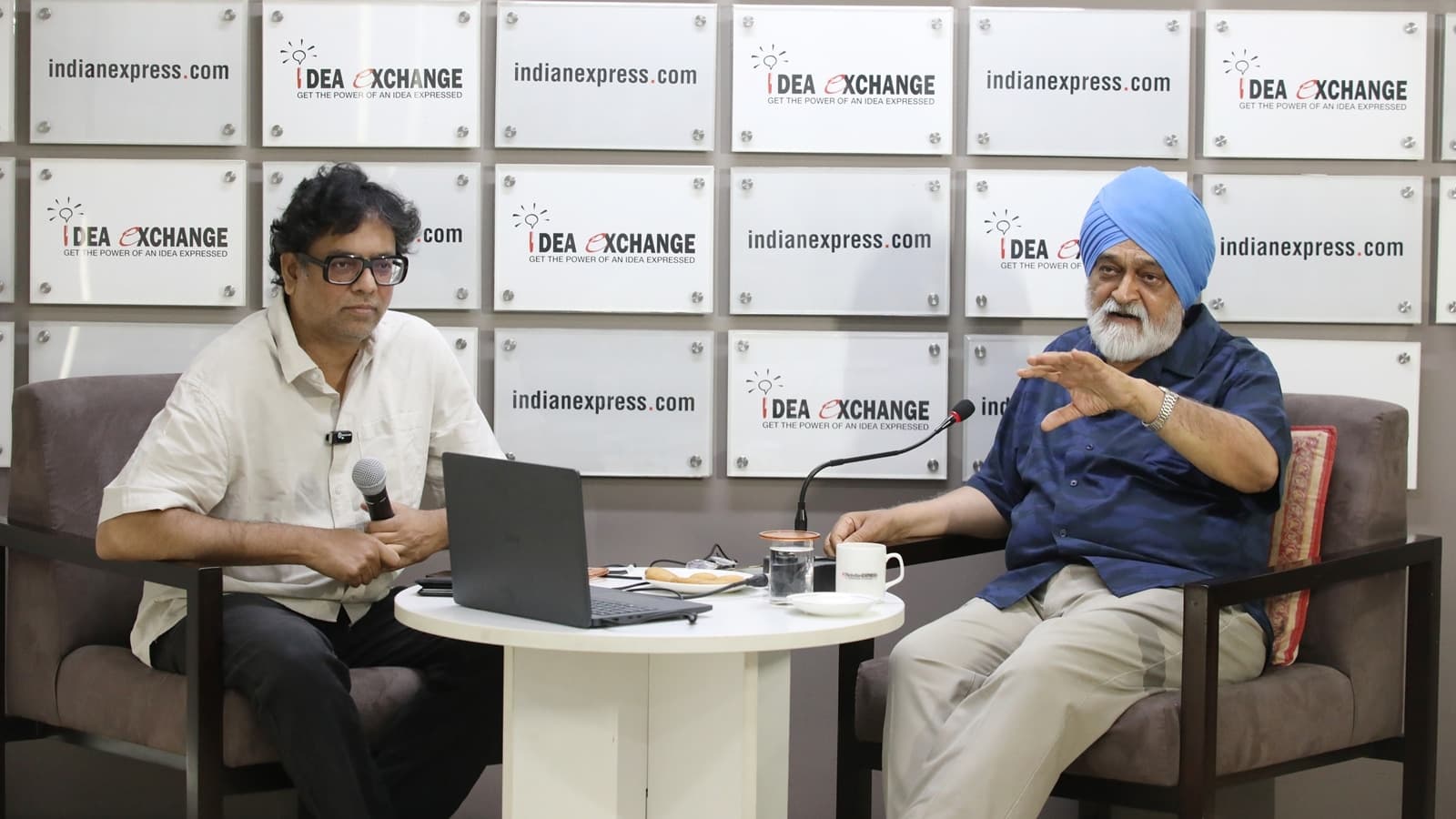
Montek Singh Ahluwalia highlights key economic challenges for India, emphasizing the need for a strategic approach to balance payments and investment.
Indian Express