
Image: BBC Technology
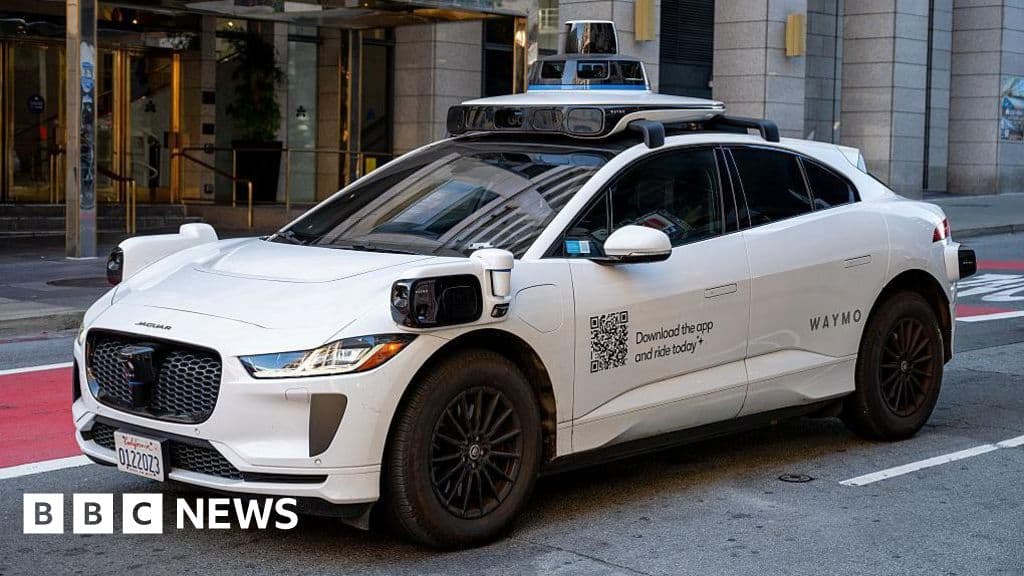
Waymo recalls nearly 3,800 robotaxis due to a software flaw that caused a vehicle to enter flooded roads, emphasizing safety as a top priority.
GlipzoIn a significant move, Waymo has announced a recall of nearly 3,800 of its self-driving cars due to a critical software flaw that could endanger passengers by allowing the vehicles to traverse flooded roads. This voluntary recall, detailed in a letter released on the National Highway Traffic Safety Administration (NHTSA) website on Tuesday, comes in the wake of an alarming incident that occurred on April 20 in San Antonio, Texas. An empty Waymo vehicle drove into a flooded area and was subsequently swept away into a creek, raising serious concerns about the safety and reliability of autonomous vehicle systems.
As Waymo strives to expand its operations, including a planned robotaxi service launch in London by September, the company has emphasized that safety is its foremost commitment. A spokesperson for Waymo, which is a subsidiary of Alphabet, the parent company of Google, stated that the company is implementing “additional software safeguards” to prevent similar incidents from occurring in the future.
In light of the recent flooding incident, Waymo has already initiated measures to limit access to regions prone to flash flooding, showcasing their proactive approach to safety. Furthermore, the San Antonio service is currently on hold until the necessary software updates are deployed.
The company has been actively providing over 500,000 trips per week across various US cities, including San Francisco, Austin, and Miami. However, this incident has placed a spotlight on the challenges faced by autonomous vehicle technology, particularly regarding its operational limitations during adverse weather conditions.
Jack Stilgoe, a professor specializing in science and technology policy at University College London, highlighted the inherent limitations of all self-driving systems. He pointed out that these limitations often become apparent only when a mishap occurs. As the deployment of autonomous vehicles continues to grow, he cautioned that such incidents are likely to be more frequent. Stilgoe remarked, “That isn't to say the technology won't be hugely beneficial. But policymakers would prefer to know about these things in advance rather than discovering them in hindsight.”
This incident is not an isolated case. Over the past year, the safety of robotaxis has come under scrutiny, with several incidents reported. For example: - In December 2025, a significant power outage in San Francisco rendered Waymo taxis inoperative, causing widespread disruption in the area. - In April, a massive outage of Apollo Go robotaxis in Wuhan, China, resulted in over a hundred self-driving vehicles halting mid-traffic, raising additional safety concerns.
The recent flooding incident and other operational challenges underline the critical need for stringent safety protocols as the industry evolves. While self-driving technology promises to revolutionize transportation, the path to widespread adoption hinges on ensuring the reliability and safety of these vehicles. As autonomous vehicle technology advances, the industry must prioritize transparency and responsiveness to issues that arise.
Looking ahead, Waymo's immediate focus will be on rolling out the necessary software updates to its fleet to address the flooding issue effectively. The company has indicated that it plans to resume its public rides in San Antonio once these fixes are in place, emphasizing its commitment to safety and customer trust.
Moreover, the broader implications of this recall could lead to increased regulatory scrutiny and a push for more rigorous safety standards across the autonomous vehicle industry. As more companies venture into the autonomous space, it is crucial that they learn from past incidents and prioritize the implementation of comprehensive safety measures.
As the technology continues to develop, stakeholders—including manufacturers, policymakers, and consumers—must remain vigilant about safety protocols and the operational limits of autonomous vehicles. The road ahead for Waymo and the entire autonomous vehicle sector will depend on their ability to navigate these challenges and enhance the safety and reliability of their services.
Ultimately, the advancement of self-driving technology holds great promise for the future of transportation, but it is imperative to ensure that safety remains at the forefront of these innovations. Waymo and other companies must remain proactive in addressing potential hazards and maintaining public confidence in the safety of autonomous vehicles.

Nvidia's new RTX Spark chip aims to transform personal computing with AI, marking a significant shift in technology. Discover what this means for consumers.
BBC Business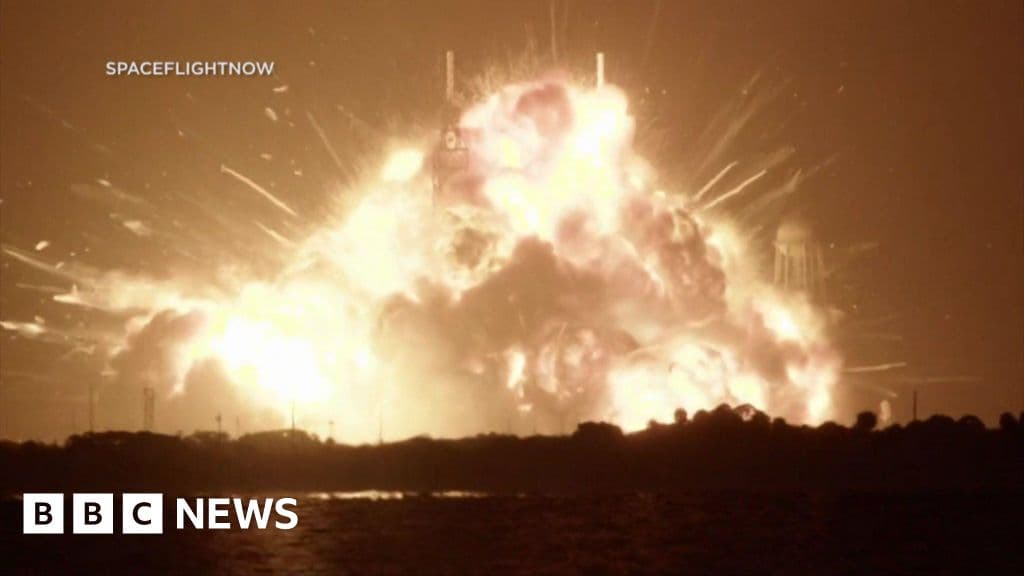
The explosion of Blue Origin's New Glenn rocket raises significant concerns over NASA's lunar ambitions and the future of Amazon's satellite projects. Discover the implications.
BBC Science
Discover how Meta's lack of engagement on user bans raises critical concerns about accountability and transparency in social media governance.
BBC Technology