
Image: BBC Technology
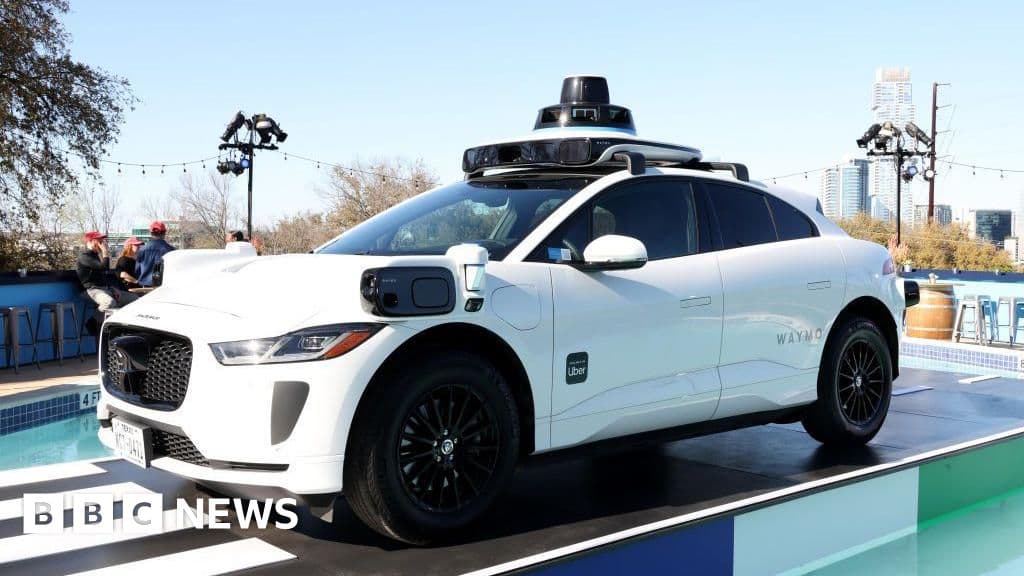
Waymo suspends its robotaxi services in five U.S. cities due to safety concerns after cars drove into flooded areas. What’s next for autonomous vehicles?
GlipzoWaymo, the autonomous vehicle division of Alphabet, has recently announced a temporary halt of its self-driving car services in five U.S. cities due to safety concerns. This decision follows a troubling incident where one of its robotaxis was swept away into a creek after driving onto a flooded road in San Antonio, Texas, on April 20.
The company is taking these precautions seriously, emphasizing that rider safety is its top priority. A spokesperson for Waymo indicated that the pause extends to four cities in Texas and Atlanta, Georgia, where similar flooding issues were reported. They stated the decision was made "out of an abundance of caution" to ensure that their vehicles do not encounter hazardous conditions.
The incidents that prompted this response are not isolated. The flooding issues highlighted a significant software flaw that potentially allows vehicles to enter flooded areas, especially on high-speed roads. According to a letter posted on the National Highway Traffic Safety Administration (NHTSA) website, this problem necessitated a voluntary recall of nearly 3,800 of its robotaxis, specifically those equipped with the fifth and sixth-generation automated driving systems.
In addition to pausing operations in these cities, Waymo has temporarily halted services on U.S. freeways. The company is actively working on enhancing its software to improve performance, particularly in construction zones, which often present challenges for autonomous vehicles.
Waymo assured the public that they are closely monitoring weather forecasts, alerts, and real-time conditions to prepare for a safe resumption of service. "We will resume serving riders soon," the company stated in a communication to BBC. The firm is also planning to launch a robotaxi service in London later this year, making the need for stringent safety measures even more critical.
Waymo reported processing over 500,000 trips per week across various U.S. cities, including San Francisco, Austin, and Miami. However, several incidents over the past year have raised alarms regarding the safety of autonomous vehicles. In December 2025, a significant power outage in San Francisco caused widespread disruptions to Waymo taxis, while a mass outage of Apollo Go robotaxis in Wuhan, China, earlier this year left many self-driving cars stranded in traffic.
The recent setbacks highlight the precarious nature of autonomous vehicle technology and the profound impact of software performance on public safety. With increasing scrutiny from both regulatory bodies and the general public, companies like Waymo must navigate the delicate balance between innovation and safety. Self-driving cars hold the promise of revolutionizing transportation, but incidents like these raise essential questions about their readiness for widespread deployment.
As Waymo works to address these issues, they will need to focus on developing robust solutions to prevent similar incidents in the future. This situation serves as a reminder of the challenges that lie ahead in the pursuit of fully autonomous vehicles, particularly in adverse weather conditions.
Moving forward, the tech community and potential riders will be closely watching Waymo’s next steps. The company has indicated that it expects to resume service on the affected routes soon, but it will likely take time to regain the public's trust after these incidents. As they enhance their software safeguards, the key areas to watch include:
The future of autonomous technology will undoubtedly be shaped by how companies like Waymo respond to challenges and prioritize the safety of their passengers. As the industry continues to evolve, staying informed about advancements in safety measures and technology will be crucial for all stakeholders involved.
In conclusion, while Waymo’s recent challenges may seem daunting, they also provide an opportunity for the entire autonomous vehicle industry to learn and grow, ensuring safer and more reliable transportation options in the future.

Nvidia's new RTX Spark chip aims to transform personal computing with AI, marking a significant shift in technology. Discover what this means for consumers.
BBC Business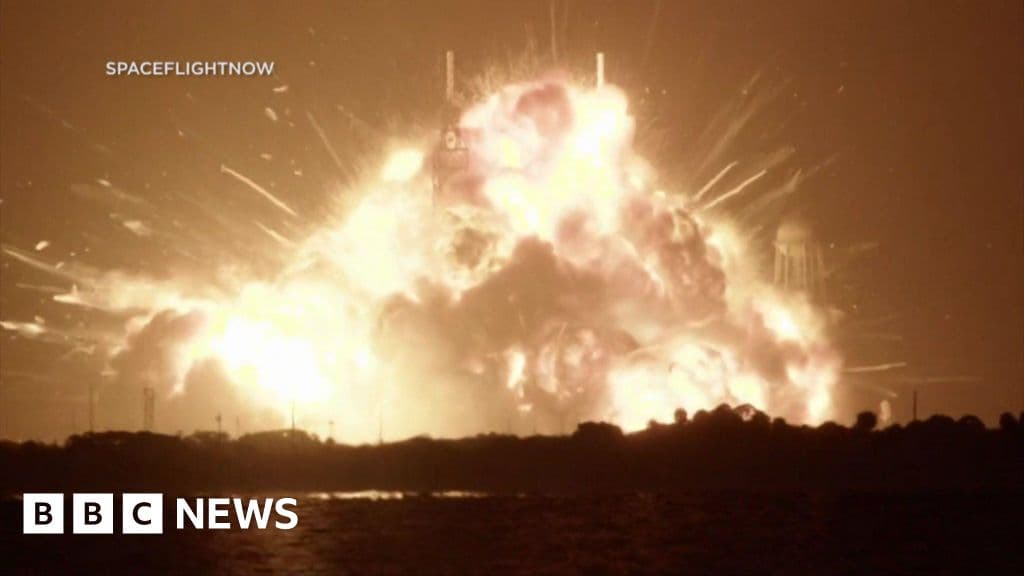
The explosion of Blue Origin's New Glenn rocket raises significant concerns over NASA's lunar ambitions and the future of Amazon's satellite projects. Discover the implications.
BBC Science
Discover how Meta's lack of engagement on user bans raises critical concerns about accountability and transparency in social media governance.
BBC Technology