
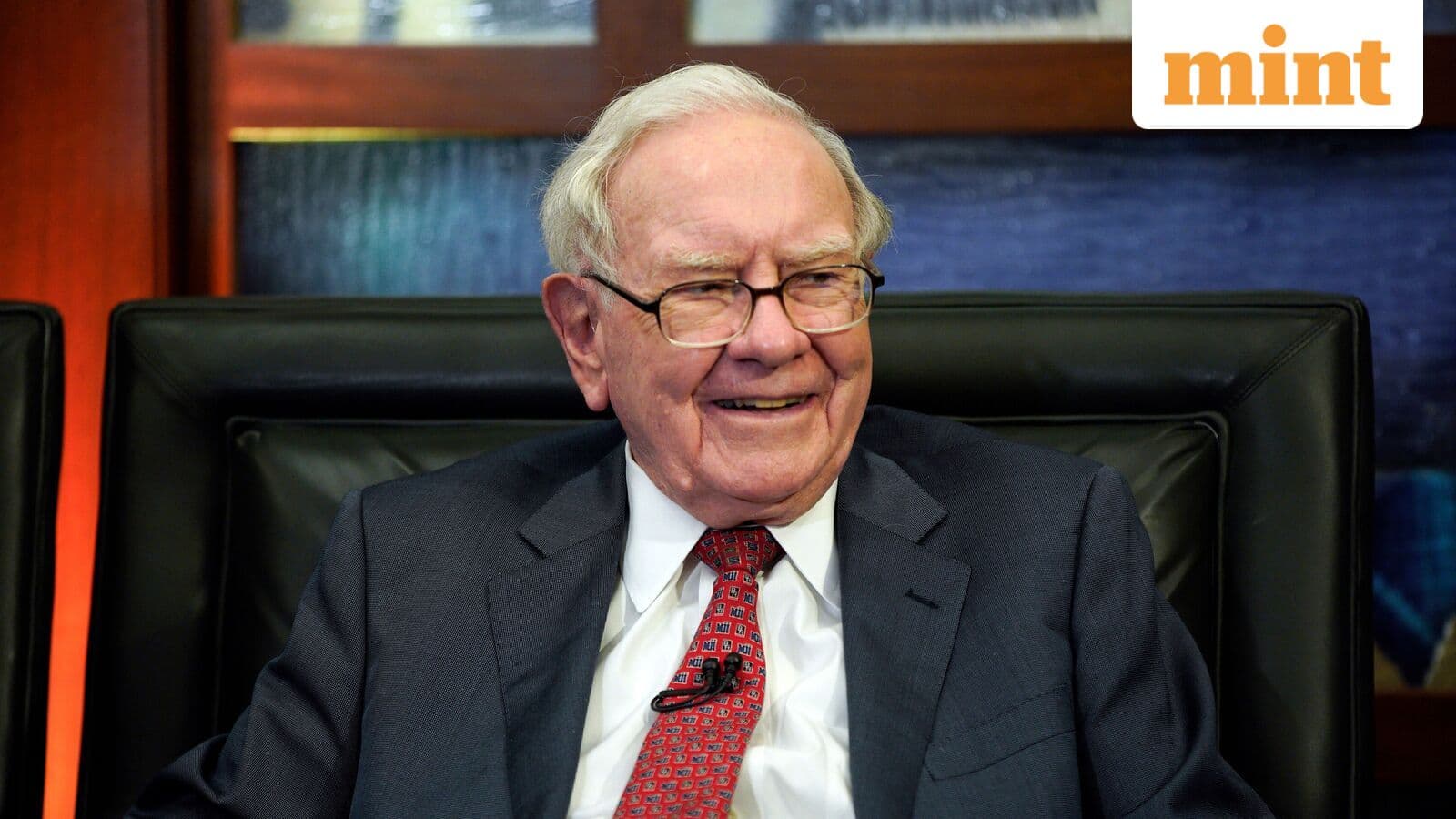
Image: Mint (Business)
Discover Warren Buffett's timeless investment wisdom and insights into market resilience. Learn why his famous quote remains relevant today.
GlipzoWarren Buffett, the legendary investor and founder of Berkshire Hathaway, has long been a beacon of wisdom in the world of finance. His investment philosophy, grounded in fundamental analysis and a commitment to long-term growth, has garnered him a reputation as one of the most respected figures in the industry. Known affectionately as the ‘Oracle of Omaha’, Buffett’s insights into stock investing have not only shaped his own success but have also influenced countless investors worldwide.
Buffett's approach emphasizes not just the importance of picking the right stocks, but also understanding the underlying business principles that drive growth. Over the years, he has shared invaluable advice that focuses on prudent risk-taking and the significance of staying true to one’s investment principles. With a legacy spanning decades, his quotes continue to resonate, especially during turbulent economic times.
One of Buffett’s most striking quotes, “You only find out who is swimming naked when the tide goes out,” originated from his 2001 Chairman’s Letter to Berkshire Hathaway shareholders. This phrase serves as a powerful metaphor for the financial markets, highlighting how downturns reveal the vulnerabilities of businesses that may have appeared robust during prosperous periods.
Buffett has reiterated this concept multiple times, particularly during and after the Global Financial Crisis, cementing its place as one of his most critical warnings against excessive risk-taking. His message is clear: when the economy is thriving, it can be challenging to determine which companies are genuinely sound and which are merely riding the wave of favorable conditions.
In an economic climate where many companies flourish, the real test of their resilience comes during challenging times. Buffett argues that only in periods of adversity can investors discern whether a business is built on solid foundations or is merely a product of temporary market momentum. This perspective is crucial for investors looking to navigate uncertain markets and make informed decisions.
Buffett, alongside his long-time business partner, the late Charlie Munger, transformed Berkshire Hathaway from a struggling textile manufacturer into a $1.2 trillion empire over nearly 60 years. Their visionary leadership and strategic investments have turned Berkshire into a powerhouse, boasting returns exceeding 55,000% since 1964.
This remarkable growth has not only enriched Buffett and Munger but has also made them icons in the eyes of investors. Their investment strategies have often revolved around selecting companies with strong fundamentals, leading to significant profits for Berkshire, which now holds stakes in major corporations like Apple, Bank of America, and Coca-Cola. These companies alone account for approximately 70% of Berkshire’s $263 billion stock portfolio.
Earlier this year, Buffett passed the reins of Berkshire Hathaway to Greg Abel, a trusted ally who has been instrumental in managing the conglomerate’s various operations. Abel, hailing from Edmonton, Alberta, will continue to uphold Buffett’s legacy while steering the company into a new chapter. Despite stepping down, Buffett remains a key figure in the investment community, and his insights will continue to guide investors.
Buffett's leadership has led to the value of Class A shares skyrocketing to $167 billion, a testament to the company’s robust performance under his stewardship. As Abel takes charge, the investment community watches closely to see how he will uphold the principles established by Buffett and Munger.
Warren Buffett was born on August 30, 1930, in Omaha, Nebraska. Growing up in a family deeply rooted in business, Buffett was influenced by his father, who was involved in the investment sector. From a young age, Buffett displayed a knack for entrepreneurship, delivering newspapers and using his earnings to invest in a Nebraska farm.
He began his formal education in business at the University of Pennsylvania’s Wharton School before transferring to the University of Nebraska, Lincoln, where he earned a bachelor’s in business administration. His academic journey continued at Columbia University, where he studied under the legendary investor Benjamin Graham, further shaping his investment philosophy.
As the financial landscape continues to evolve, Buffett's teachings remain relevant, especially as we face new economic challenges. Investors are encouraged to heed his advice regarding the importance of sound decision-making and the need for vigilance during uncertain times.
Looking ahead, the investment community will likely continue to reflect on Buffett's insights as they navigate through market fluctuations. With new leaders like Greg Abel at the helm of Berkshire Hathaway, it will be intriguing to observe how they implement Buffett's timeless principles in a modern context.
Buffett's legacy is not just about the wealth he has amassed but also about the invaluable lessons he has imparted to investors around the world. As market dynamics shift, it is essential for investors to remember that true strength is revealed in times of adversity.

Commercial LPG prices have risen again, with increases of ₹42 in Delhi and ₹53.50 in Kolkata impacting businesses and consumers alike. Find out more.
Indian Express
Discover how a tragic coal mine explosion in Shanxi, China, reveals ongoing safety concerns in the industry amidst a push for green energy.
BBC Business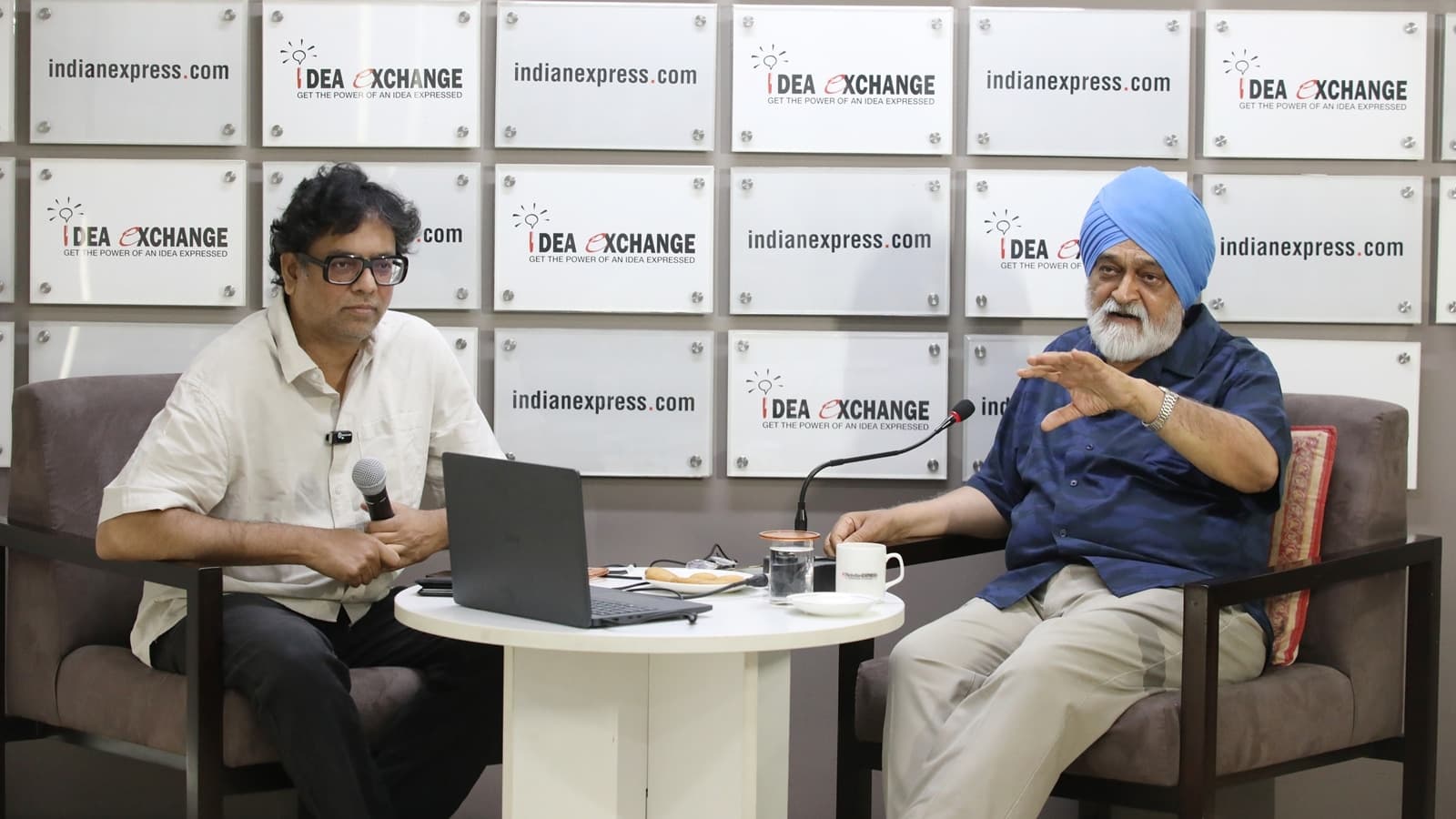
Montek Singh Ahluwalia highlights key economic challenges for India, emphasizing the need for a strategic approach to balance payments and investment.
Indian Express