
Image: BBC Business
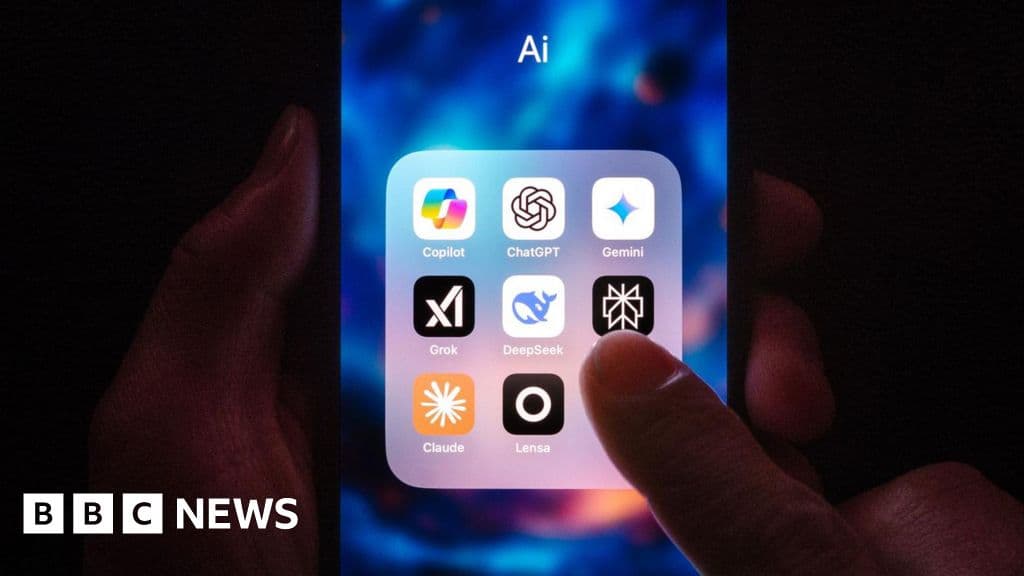
The US Department of Commerce will test new AI models from Google, Microsoft, and xAI, marking a significant shift towards safety and regulation in technology.
GlipzoIn a significant move for the tech industry, the U.S. Department of Commerce has announced that it will begin testing new artificial intelligence (AI) models developed by major players including Google, Microsoft, and xAI. This initiative aims to ensure that these cutting-edge technologies are safe and effective before they reach consumers.
The testing will be conducted through the Center for AI Standards and Innovation (CAISI), where the tech giants have agreed to voluntarily submit their AI tools for rigorous evaluation. This marks a notable expansion of previous agreements made during the Biden Administration with companies like OpenAI and Anthropic, which were also focused on assessing AI capabilities and security measures.
“These expanded industry collaborations help us scale our work in the public interest at a critical moment,” stated Chris Fall, CAISI's director. This collaborative effort underscores the growing recognition of the need for responsible AI deployment amidst rapid technological advancements.
The evaluations conducted by CAISI will encompass a broad spectrum of activities, including: - Testing: Assessing the performance and security of AI models. - Collaborative Research: Working together with industry leaders to develop safe AI practices. - Best Practice Development: Establishing guidelines for the responsible use of AI technologies.
Among the AI models being evaluated, Google’s Gemini, developed through its DeepMind subsidiary, stands out. Gemini has already made inroads within U.S. defense and military agencies, demonstrating its wide-ranging applications. Meanwhile, Microsoft’s CoPilot and xAI’s Grok are also being scrutinized, with Grok facing scrutiny for controversial features that previously drew public ire.
Historically, the approach to AI oversight has varied significantly between administrations. The previous Trump Administration favored a more laissez-faire attitude towards AI and tech regulation, emphasizing innovation and minimal interference. This included the signing of several executive orders aimed at reducing regulatory barriers for AI development.
In contrast, the current administration is taking a more proactive stance as concerns over AI safety and ethical use grow. The military's increasing reliance on AI technologies has prompted a reassessment of regulatory frameworks.
In a recent corporate blog post, Microsoft emphasized the importance of collaboration with government entities for testing AI models, particularly concerning national security and large-scale public safety risks. This collaborative approach is essential for addressing potential risks associated with advanced AI systems.
CAISI has already conducted 40 evaluations of AI tools, including those that remain unreleased, indicating a commitment to thorough testing before public access. However, the details of which specific models have been withheld have not been disclosed, raising questions about the standards being applied.
The dialogue around AI safety is not without controversy. For instance, Anthropic recently developed a model named Mythos, which it deemed too powerful for public release. This situation highlights the ongoing ethical debates surrounding AI advancements and their implications for society.
Moreover, senior officials from the Trump Administration reportedly met with Dario Amodei, CEO of Anthropic, amid ongoing legal disputes with the U.S. Department of Defense. This engagement suggests a complex relationship between government oversight and the tech industry, particularly concerning safety protocols and the ethical deployment of AI technologies.
The decision to bring more companies into the fold for safety testing is a pivotal moment for AI governance. As technology continues to evolve at an unprecedented pace, establishing robust oversight mechanisms becomes essential. The implications of this initiative extend far beyond ensuring safety; they represent a broader commitment to responsible innovation in the tech sector.
As we move forward, several key factors will shape the landscape of AI development and regulation: - Increased Collaboration: Expect more partnerships between tech firms and government agencies to ensure the safety of AI technologies. - Emerging Standards: The establishment of best practices will likely influence how AI tools are developed and deployed in various sectors. - Public Awareness: Ongoing discussions about AI ethics and safety will raise public awareness and concern, influencing regulatory approaches.
The future of AI is on the horizon, and how these developments unfold will be crucial for shaping not only the technology itself but also its impact on society at large. Companies, policymakers, and the public must remain engaged in this dialogue to navigate the challenges and opportunities that lie ahead.
As we monitor these developments, keep an eye on upcoming reports from CAISI and the reactions from the tech industry, as they will provide critical insights into the evolving landscape of artificial intelligence regulation.
Nvidia's new RTX Spark chip aims to transform personal computing with AI, marking a significant shift in technology. Discover what this means for consumers.
BBC Business
The explosion of Blue Origin's New Glenn rocket raises significant concerns over NASA's lunar ambitions and the future of Amazon's satellite projects. Discover the implications.
BBC Science
Discover how Meta's lack of engagement on user bans raises critical concerns about accountability and transparency in social media governance.
BBC Technology