

Image: BBC Business
US job growth surprises as 115,000 jobs created in April. What does this mean for the economy and future trends? Read more for insights.
GlipzoIn a surprising turn of events, the US economy generated 115,000 jobs in April, showcasing resilience as businesses continue to hire despite ongoing global conflicts, particularly the US-Israel tensions concerning Iran. This surge in employment is not only a positive sign for the economy but also a significant boost that surpassed economists' forecasts, which anticipated a much lower figure.
The data, released by the US Bureau of Labor Statistics (BLS), revealed that the unemployment rate remained steady at 4.3%, indicating a stable labor market. The resilience of the job market comes at a time when the Strait of Hormuz, a crucial global oil shipping lane, has faced disruptions due to military strikes, leading to a sharp increase in gasoline prices for American consumers.
April's robust employment figures follow a period of volatility in job creation numbers. In February, non-farm payrolls had dipped by 156,000, only to rebound with an increase of 185,000 jobs in March. The average job growth over the last three months now stands at 48,000, aligning with the so-called breakeven rate—the threshold required to absorb new entrants into the job market.
The encouraging job numbers have implications beyond labor statistics; they may influence the Federal Reserve's decisions on interest rates. With inflation concerns lingering, the Fed is likely to maintain current rates, balancing economic growth and price stability.
Economists are particularly optimistic about the performance in sectors such as retail, transportation, and warehousing. These areas are critical for gauging consumer spending health, especially in light of rising fuel costs that could diminish purchasing power.
Thomas Ryan, North America economist at Capital Economics, noted, "Both give relatively positive signals about the health of discretionary spending, despite the hit to consumers' purchasing power from higher gasoline prices." However, he cautioned that the report also contained mixed signals, including sluggish wage growth and a decline in the labor force participation rate among working-age individuals.
Despite the positive headline numbers, there are underlying concerns regarding the labor market's trajectory. Samuel Tombs, chief US economist at Pantheon Macroeconomics, indicated that job growth might decelerate in the upcoming months. Recent surveys suggest a slowdown in hiring, and he forecasts that the unemployment rate could rise to 4.7% by the end of the year, potentially prompting the Federal Reserve to consider interest rate cuts by December.
The White House has interpreted April's job figures as a testament to the health of the US economy under President Donald Trump. Spokesperson Kush Desai stated, "Every leading indicator is pointed in the right direction, and Americans can rest assured that the best is yet to come." This optimistic perspective aligns with the administration's broader economic narrative, aiming to instill confidence among voters and investors alike.
As the US economy navigates through a complex global landscape, the job market's performance will be closely monitored. Analysts will be watching for potential shifts in hiring trends and wage growth, especially in light of rising energy prices. The interplay between job creation, consumer spending, and monetary policy will be crucial in determining the direction of the economy in the coming months.
In summary, while April's job growth presents a positive outlook, the evolving economic indicators and geopolitical tensions will undoubtedly shape future employment trends. Stakeholders should remain vigilant as they assess the implications of these developments on both the domestic and global economic fronts.
In conclusion, the resilience shown in the job market amidst global challenges is notable, but caution is warranted as the landscape continues to evolve. The next few months will be critical in determining whether this momentum can be sustained, or if external factors will rein in growth.
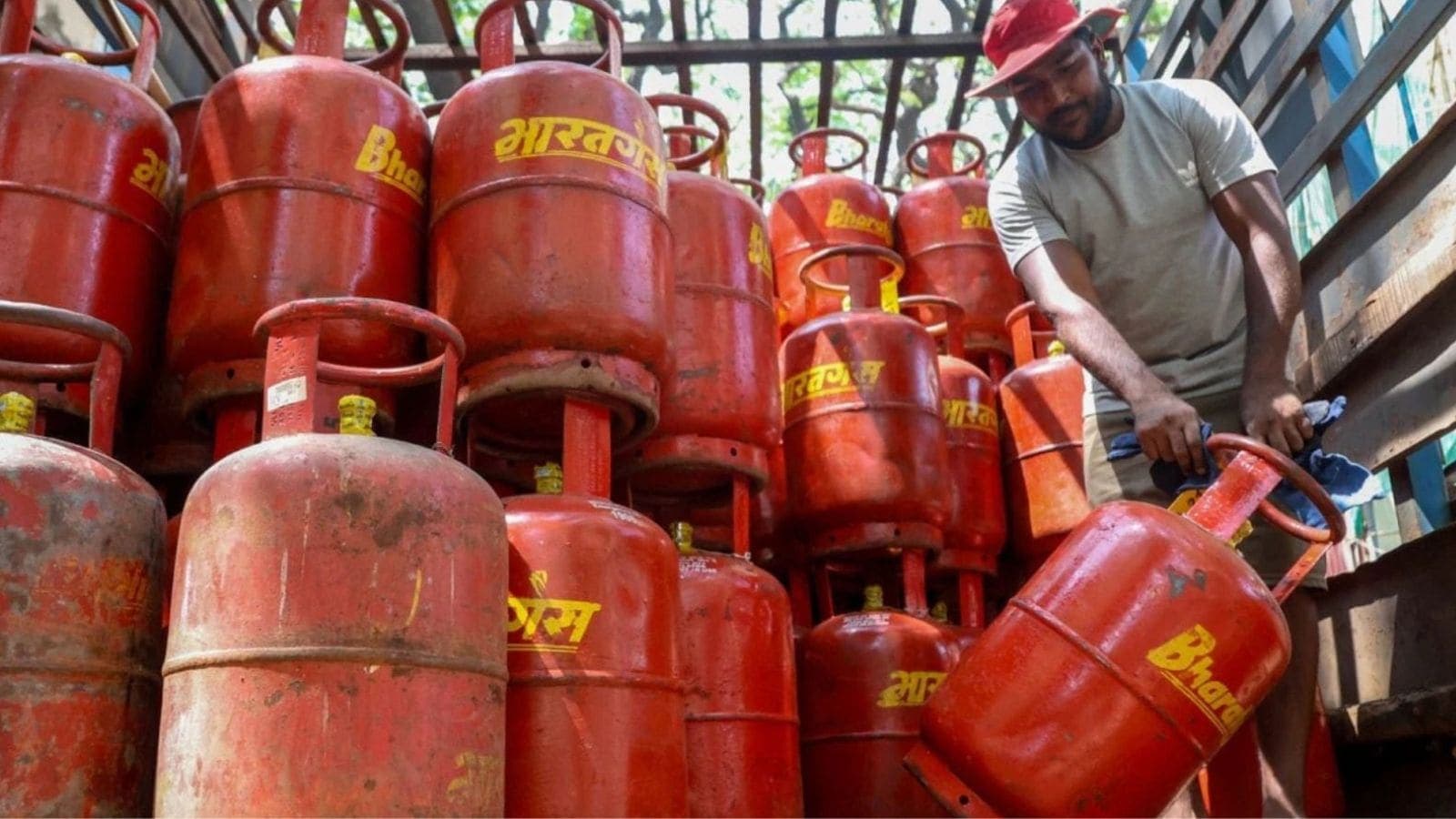
Commercial LPG prices have risen again, with increases of ₹42 in Delhi and ₹53.50 in Kolkata impacting businesses and consumers alike. Find out more.
Indian Express
Discover how a tragic coal mine explosion in Shanxi, China, reveals ongoing safety concerns in the industry amidst a push for green energy.
BBC Business
Montek Singh Ahluwalia highlights key economic challenges for India, emphasizing the need for a strategic approach to balance payments and investment.
Indian Express