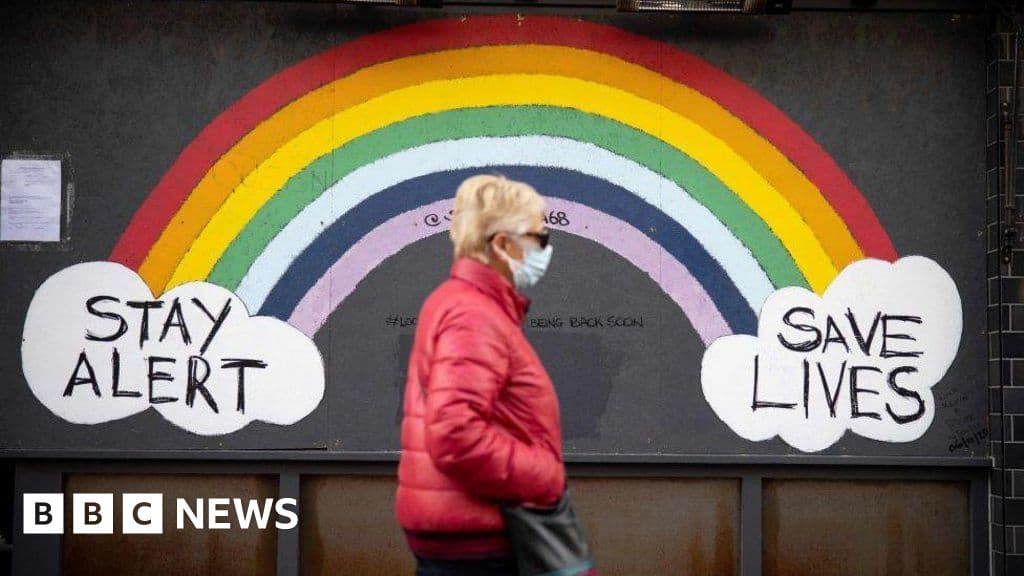
Discover the UK Covid inquiry's impact on health policy, vaccine rollout, and lessons for the future as it investigates the government's pandemic response.
This inquiry was initiated after mounting pressure from groups such as the Covid-19 Bereaved Families for Justice, which pushed for a thorough examination of the government's pandemic response. The inquiry encompasses decision-making across the UK, including the devolved administrations in Scotland, Wales, and Northern Ireland. Public hearings commenced in June 2023, marking a pivotal moment for transparency.
As of December 2025, the total expenditure on the inquiry has surpassed £292 million, a figure that has raised eyebrows among taxpayers. Despite criticisms regarding the costs and time involved, Baroness Hallett has defended the inquiry’s scope, asserting that its broad terms of reference are unprecedented in the realm of public inquiries.
Key Findings on Vaccine Rollout and Public Trust
One of the most significant takeaways from the inquiry's preliminary reports is the assessment of the vaccine rollout. The inquiry concluded that the UK’s efforts in developing and distributing the Covid vaccine were an **extraordinary feat**, credited with saving an estimated **475,000 lives** across **England** and **Scotland**. Over **90%** of individuals aged 12 and older received at least one vaccine dose, a remarkable achievement in public health.
However, the inquiry also highlighted critical gaps in the vaccination strategy. It pointed out that the low uptake among deprived communities and certain ethnic minority groups was not anticipated adequately and should have been addressed more effectively. A lack of trust in government and health systems contributed to the spread of misinformation and vaccine hesitancy. The report emphasized the urgent need for initiatives aimed at rebuilding public confidence in vaccines.
Recommendations for Vaccine Damage Payments
In addition to addressing vaccine uptake, the inquiry made recommendations regarding the **vaccine damage payment scheme**. It argued for higher compensation payments and a fairer eligibility system for individuals who suffered adverse effects from the vaccines. This recognition of the few affected individuals reflects a commitment to fair treatment amid the widespread success of the vaccination campaign.
The Strain on the NHS and Patient Care
The inquiry’s findings also shed light on the **National Health Service (NHS)**, noting that it narrowly avoided collapse due to the relentless efforts of healthcare workers during the pandemic. The report reveals that staff faced significant risks, particularly due to shortages of adequate **personal protective equipment (PPE)**. The impact of the pandemic extended beyond Covid patients; many individuals with other medical needs were deterred from seeking care, exacerbating the challenges faced by the NHS.
Access to healthcare was severely limited due to visiting restrictions, causing distress for patients and their families. Vulnerable populations, including children in mental health units and patients with dementia, were often left without necessary support, leading to tragic outcomes.
A Strain on Mental Health Services
The inquiry drew attention to the mental health crisis exacerbated by the pandemic, highlighting how restrictions affected those needing care. Patients were often isolated at critical times, leading to feelings of abandonment and increasing their vulnerability. Baroness Hallett poignantly summarized the findings: **“We coped, but only just.”**
Political Decision-Making and Lockdown Delays
As the inquiry progresses, it has begun to focus on political decision-making during the early stages of the pandemic. The second report, published in **November 2025**, indicated that earlier implementation of voluntary measures, such as social distancing, might have mitigated the need for strict lockdowns. A delay of just one week resulted in **23,000 additional deaths** in England during the initial wave of the virus, underscoring the critical importance of timely decision-making in public health crises.
What Lies Ahead: Future Implications of the Inquiry
As the UK Covid inquiry continues to unfold, it holds the potential to reshape public health policy and governance in the country. The recommendations and findings are expected to influence future health crises preparedness and response strategies. Policymakers will need to consider the inquiry’s insights into vaccine distribution disparities and the importance of restoring public trust in health authorities.
In the coming months, the public will be watching closely as the inquiry releases further findings and recommendations. The ongoing discussions about how to improve the NHS and enhance public health strategies will be crucial, especially as the UK navigates the lingering effects of the pandemic.
Why It Matters
The inquiry is not just about reflecting on past mistakes; it is about ensuring that future public health responses are more effective, equitable, and transparent. The lessons learned from the Covid pandemic are invaluable and have the potential to save lives in any future health crises.
Conclusion
The UK Covid inquiry represents a critical moment in the country’s public health history. As it delves deeper into the complexities of government decisions, healthcare responses, and community impacts, it aims to provide a comprehensive understanding of what transpired during one of the most challenging periods in recent history. The outcomes will likely resonate for years to come, shaping policies and practices in the health sector for generations.