
Image: BBC Health
Health visitors in England face crushing caseloads of over 1,000 families, prompting urgent calls for limits to ensure proper care for children and families.
GlipzoHealth visitors in England have raised urgent concerns over unmanageable caseloads, with some professionals responsible for as many as 1,000 families. The Institute of Health Visiting (iHV) has called for immediate limits on these numbers, citing serious implications for the well-being of families and children.
The role of health visitors—qualified nurses or midwives focusing on supporting families with young children—has seen a dramatic decline over the past decade. The number of active health visitors in England has plummeted from 10,200 to just 5,575, marking a 45% reduction. This steep drop raises questions about the future of child welfare and the capacity of health services to provide adequate support.
In a report released in January, the Health and Social Care Committee warned that the government's ambitions to ensure every child gets the best start in life would remain unfulfilled unless there is urgent action to revitalize the workforce. The Department of Health and Social Care (DHSC) has stated its commitment to enhancing health visiting services, yet tangible changes have yet to materialize.
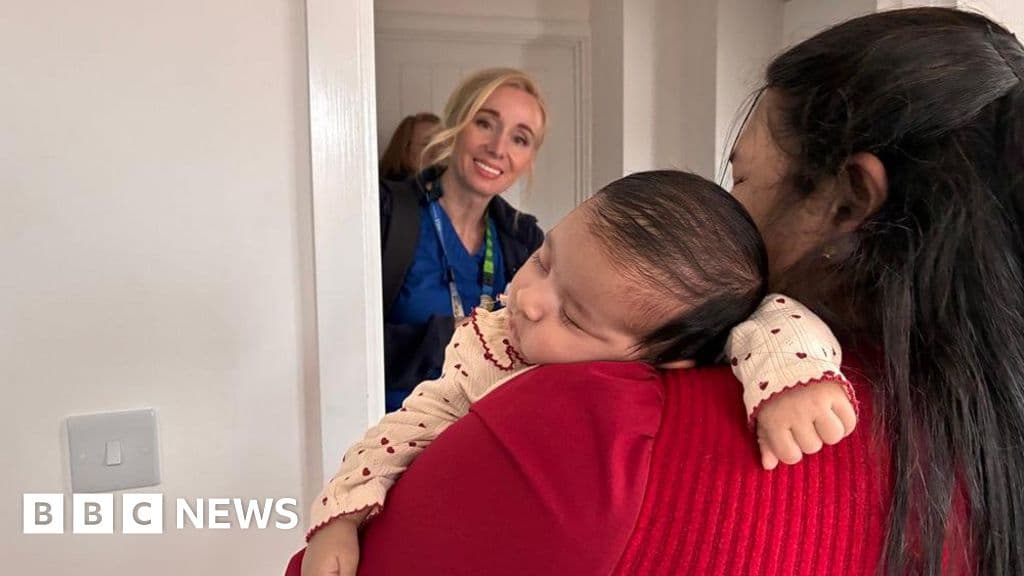
Emma Dolan, a health visitor with the Humber Teaching NHS Foundation Trust in Hull, emphasizes the importance of early intervention, stating, "We want our babies to live long and happy lives by giving that support nice and early and making sure that families know what services are out there." Despite her dedication, the overwhelming caseload makes it increasingly difficult to fulfill this mission.
The pandemic exacerbated this crisis, with health visitors in approximately two-thirds of hospital trusts reassigned to other roles, a move criticized as fundamentally flawed during last year’s Covid inquiry. Although families are once again receiving health visitor reviews, the reduced staffing levels mean that health visitors are inundated with more families than they can effectively manage.
In contrast to other UK nations such as Scotland, where safe staffing limits of around 250 families per health visitor are enforced, England has not adopted similar measures. Alison Morton, the chief of the iHV, argues that without a benchmark, the situation will only worsen, resulting in dangerously high caseloads that jeopardize the quality of care.
Morton highlights the human toll of these staffing shortages, saying, "Health visitors are having to prioritize, and prioritization has a human cost." She notes that families are often denied necessary follow-up visits, which could make a significant difference in their experiences.
Even if new staffing limits were introduced, Morton warns that there aren’t enough health visitors employed to meet the needs of families adequately. The current model means that families are not consistently receiving the five health visitor appointments recommended from late pregnancy until a child turns two years old. Many families, like those interviewed for the BBC Radio 4 project Today's Babies, report inconsistencies in their care.
For example, Elita and Adam, parents of 11-week-old twins Ruby and Ezra, had their six-week check in a clinic instead of at home, which Elita described as "a little bit more stressful". She expressed concern that relying on clinic visits overlooks the unique needs and dynamics of individual families.
Elita also pointed out the inconsistency in care, noting that she has not had the same health visitor for each appointment, despite recent guidelines advocating for continuity. "Continuity of care is massive," she said, lamenting the need to repeatedly explain her family's situation to different professionals. This inconsistency can lead to gaps in understanding and support for families navigating the complexities of early parenting.
Meanwhile, in Scotland, families like Anna and Dan will benefit from 11 mandatory visits from health visitors, a stark contrast to the service inconsistencies in England. This raises critical questions about the equitable distribution of health resources across the UK and the implications for child welfare.
The issues surrounding health visitor caseloads underscore a broader systemic problem within England's healthcare framework, particularly in maternal and child health. As the demand for these essential services continues to rise, the lack of adequate staffing threatens to undermine the health and well-being of future generations.
The call for limits on caseloads is not merely about numbers; it is about ensuring that every family receives the support they need during crucial early years. Without immediate action, families could face prolonged periods without necessary guidance and support, leading to long-term adverse outcomes for both parents and children.
Moving forward, stakeholders must prioritize the recruitment and retention of health visitors. Policymakers will need to take decisive action to address this crisis, ensuring that health visitors can operate within manageable workloads. The upcoming months will be critical as the government navigates these pressing challenges in child health services.
As the iHV and health professionals advocate for necessary changes, it is essential for the government and relevant authorities to recognize the urgency of this situation. The health of the next generation hinges on our ability to provide consistent, adequate support to families during their most vulnerable times.
The time for action is now; without it, we risk not only the well-being of countless families but the very foundation of our society's future health and success.
Shocking findings from Nottingham's maternity unit reveal a toxic culture and alarming neglect. What can be done to improve care? Discover the details.
BBC Health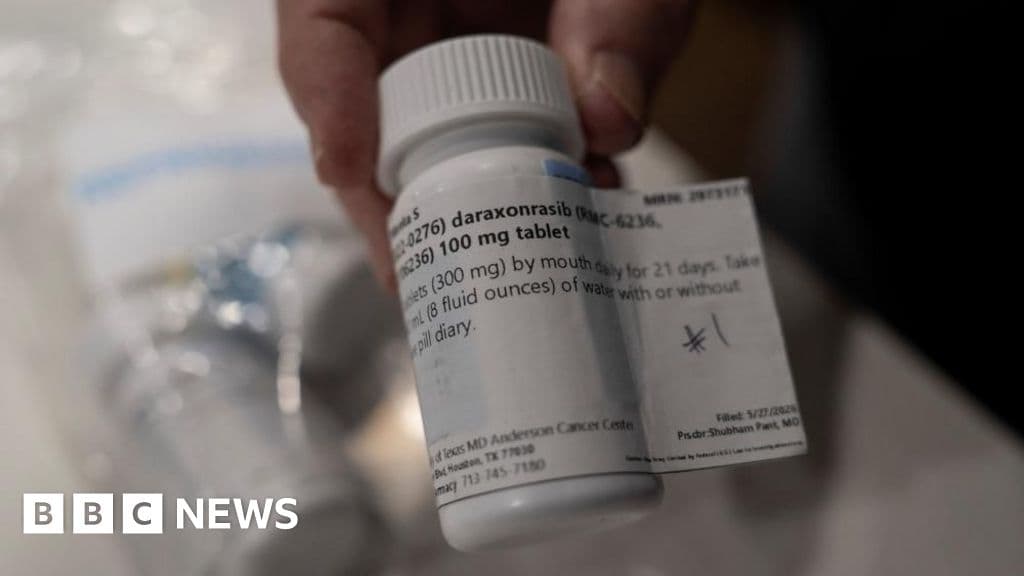
Discover how daraxonrasib, a new pill, is nearly doubling survival rates for pancreatic cancer patients, offering hope in a challenging battle against this deadly disease.
BBC Health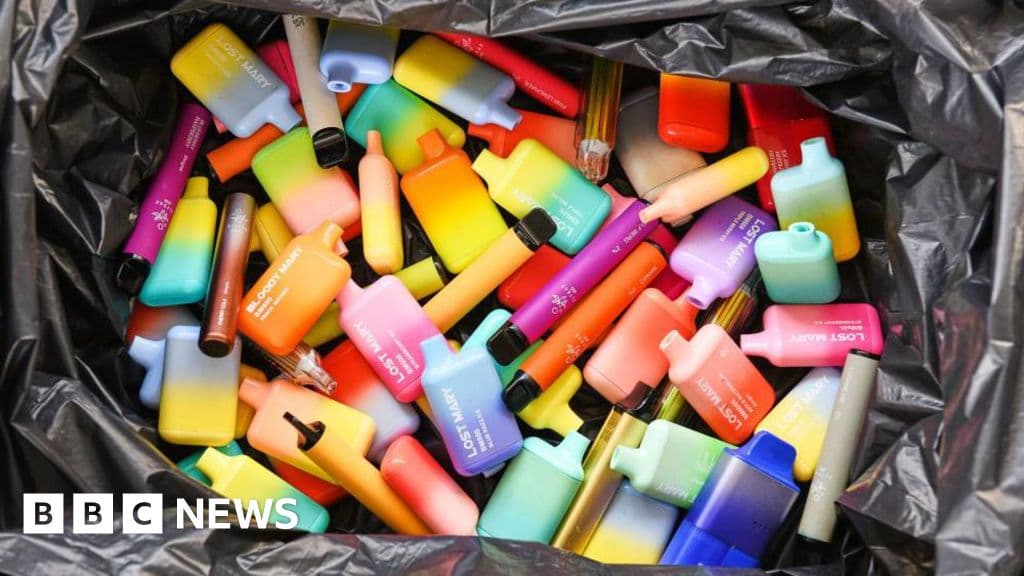
Waste companies propose a £5 deposit on vapes to encourage proper disposal and curb littering as the environmental impact of vapes increases.
BBC Business