
Image: BBC Business
Discover why major tech brands like Apple and Microsoft are leveraging cute mascots to enhance connections and foster trust with consumers.
GlipzoIn a surprising shift, big tech companies like Microsoft and Apple are turning to adorably designed mascots to enhance their brand image and connect with consumers. This trend, gaining momentum in 2023, aims to soften the often impersonal nature of technology, making it more relatable and engaging for users.
These new characters come as part of a broader strategy to humanize brands and foster emotional connections. Apple recently introduced a character dubbed Little Finder Guy, a whimsical blue and white figure designed to promote its latest laptop. This character made its debut in March, featuring prominently in social media campaigns and quickly capturing the attention of the public.
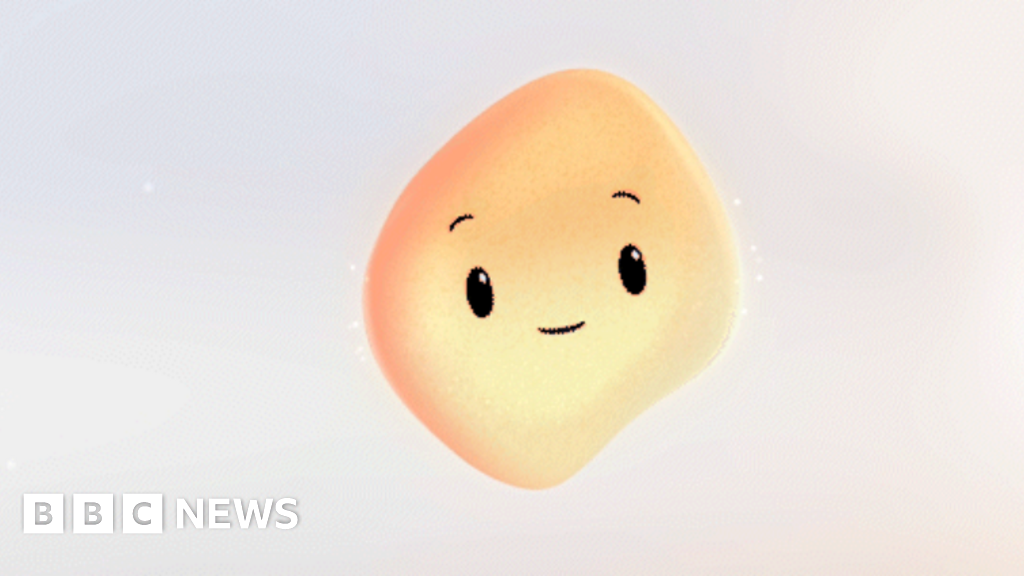
Following suit, Microsoft has revealed its own character for its AI assistant, Copilot. The character, affectionately named Mico, is a cheerful, blob-like figure that aims to enhance user interaction with the AI. Unlike the infamous Clippy, the paperclip assistant that was widely disliked, Mico is being touted as an expressive and customizable option intended to make conversations with the AI feel more natural. Microsoft emphasizes that Mico is not merely a mascot but a visual identity that adds warmth to user interactions.
Research indicates that brands employing mascots are 37% more likely to increase their market share compared to those that do not. According to Anthony Patterson, a marketing professor at Lancaster University Management School, mascots provide a friendly face to otherwise cold and impersonal tech companies. They give a voice and personality to brands, making them more approachable to consumers.
Not only are Microsoft and Apple jumping on the mascot bandwagon, but other tech firms are also exploring creative avenues to leverage existing characters. For instance, Google has revamped its beloved little green robot, which represents its Android operating system. Last September, Google launched an app allowing users to personalize their own versions of the robot, adding a fun twist by letting the mascot wear users' clothes and mimic their hairstyles.
In a similar vein, online platform Reddit updated its alien character, Snoo, in 2023, giving it a more animated and emotive design. Meanwhile, Mozilla, the company behind the Firefox browser, introduced a mascot named Kit, transforming its iconic logo into a character that aims to stand out in a competitive landscape dominated by stark and minimalist designs from rivals like Chrome and Safari.
While the rise of cute mascots offers many advantages, there's a growing concern regarding their implications, especially as they intertwine with artificial intelligence. Nathalie Nahai, an expert in the psychology of technology and business, points out that the increase in mascot adoption aligns with a growing distrust of large tech companies. With many consumers feeling overwhelmed by the data-driven approach of these firms, introducing a friendly mascot may serve as a strategy to alleviate concerns and foster a sense of trust.
Nahai warns, however, that this approach could be perceived as manipulative. As brands begin to utilize mascots that can interact in personalized ways, the line between friendly engagement and creepy persuasion may blur. Patterson echoes her concerns, noting that these mascots could engage in one-on-one interactions that might feel intrusive to consumers.
Despite the potential pitfalls, the emotional resonance of mascots cannot be understated. Brands that introduce colorful characters often create a lasting familiarity with consumers. As Patterson notes, exposure to these mascots from a young age can cultivate warm, positive associations that endure throughout a customer's life. Microsoft has reported “encouraging feedback” regarding Mico, and users who prefer not to engage with the character can opt to disable it.
A notable success story in the realm of mascots is the Duolingo owl, Duo, which has significantly contributed to the app's popularity by encouraging language learners. The charm of Duo has played a vital role in attracting over 20 million users, showcasing how effective a mascot can be in enhancing user engagement and brand loyalty.
As the trend of incorporating mascots into branding continues to grow, the future of this strategy holds both promise and challenges. Tech companies must navigate the delicate balance between creating friendly, relatable characters and ensuring that they do not compromise user trust. The effectiveness of mascots may depend on their ability to engage users without crossing the line into manipulation.
As brands experiment with these new faces, it will be crucial to monitor consumer reactions and adapt strategies accordingly. Whether mascots will enhance brand loyalty or evoke skepticism remains to be seen, but one thing is certain: the adorable trend is here to stay. Companies that can successfully integrate warmth and personality into their marketing will likely stand out in an increasingly competitive landscape.
In conclusion, as big tech companies embrace cute mascots to connect with consumers, the unfolding narrative around trust, engagement, and emotional connection will be essential to watch in the coming years.
Nvidia's new RTX Spark chip aims to transform personal computing with AI, marking a significant shift in technology. Discover what this means for consumers.
BBC Business
The explosion of Blue Origin's New Glenn rocket raises significant concerns over NASA's lunar ambitions and the future of Amazon's satellite projects. Discover the implications.
BBC Science
Discover how Meta's lack of engagement on user bans raises critical concerns about accountability and transparency in social media governance.
BBC Technology