
Image: The Hindu
Discover how BRICS nations are reshaping global scientific collaboration amid geopolitical tensions, fostering innovation and technology transfer for a multipolar future.
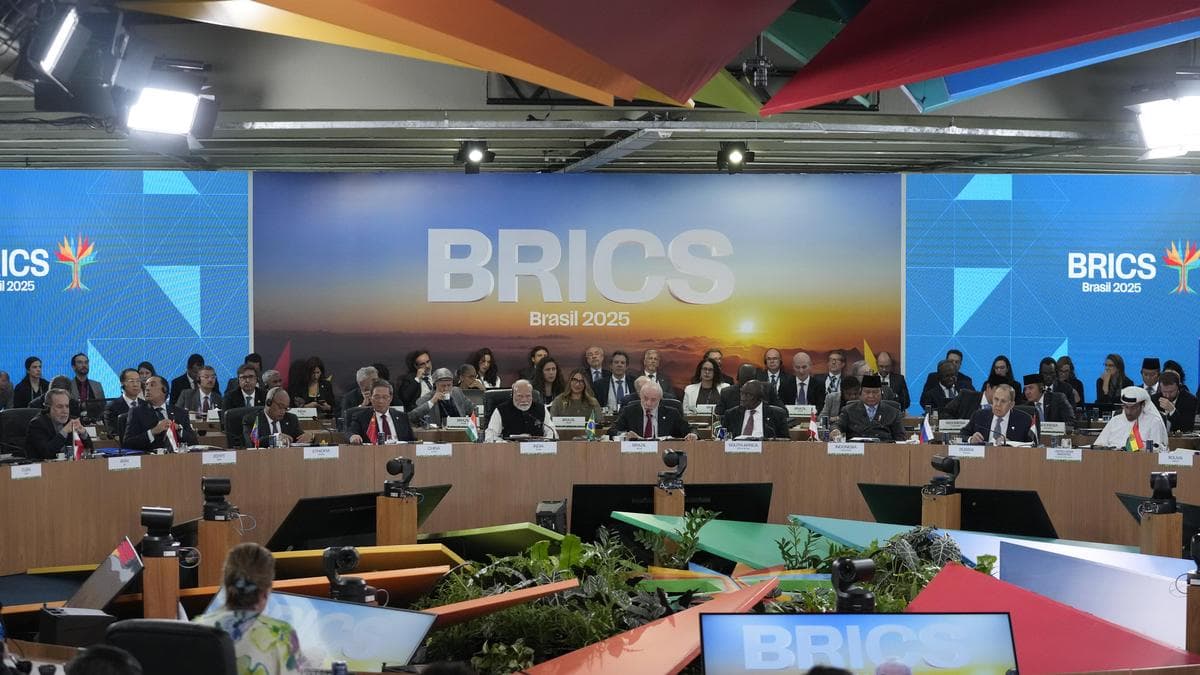
GlipzoIn a world increasingly defined by geopolitical struggles and economic disparities, the BRICS nations—Brazil, Russia, India, China, and South Africa—are stepping up as a formidable coalition. On July 6, 2025, during the 17th annual BRICS summit held in Rio de Janeiro, leaders convened to discuss the future of their collaboration, particularly in the realm of science, technology, and innovation (STI). This gathering highlighted not just their economic clout, but also their commitment to fostering an environment conducive to scientific advancement.
The BRICS group stands as a critical player in shaping a multipolar world, countering traditional Western dominance. While their roles in global finance and macroeconomic discussions are well-documented, their collective efforts in the scientific domain are often overshadowed. This summit marked a turning point, emphasizing the significance of scientific collaboration amidst rising techno-nationalism and geopolitical tensions.
As nations grapple with the challenges posed by sanctions, export controls, and technological dependencies, BRICS emerges as a beacon of hope. The group is not only a platform for shared economic interests but also a vital forum for scientific cooperation. By aligning their strategies, member nations can amplify their voices in global economic governance, ultimately influencing developmental finance through institutions like the New Development Bank.
The expansion of BRICS to include countries like Saudi Arabia, Egypt, the UAE, Ethiopia, Indonesia, and Iran under the BRICS+ initiative signifies a shift towards inclusivity. This broader coalition aims to enhance political cooperation and reduce dependence on Western technology, fostering a sense of unity among developing nations.
Cooperation in STI has been a foundational element of BRICS since its inception. Key milestones include: - 2011: The formal recognition of STI in BRICS activities. - 2015: Establishment of a memorandum of understanding that set STI as a core strategic pillar for collaboration. - 2017-2020: The first BRICS Action Plan for Innovation Cooperation was introduced, focusing on entrepreneurship networks and technology transfer.
The establishment of the Science, Technology, Innovation, and Entrepreneurship Partnership (STIEP) Working Group propelled various initiatives aimed at enhancing collaboration among member states. These initiatives prioritize not only fundamental research but also the transfer of technology and innovation.
Every year, BRICS ministers from member nations convene to discuss and approve strategic documents aimed at bolstering STI cooperation. During these meetings, one or two lead agencies are designated for coordination. For instance, under India’s presidency, the Council of Scientific and Industrial Research (CSIR) and the Department of Biotechnology (DBT) took on leadership roles, issuing calls for proposals and preparing project lists.
The emphasis on creating innovation-driven ecosystems has led to initiatives such as iBRICs and the BRICS Technology Transfer Centre (TTC). These programs aim to establish policy frameworks and institutional connections to facilitate cross-border technology commercialization. The TTC has made significant strides, demonstrating the commitment of BRICS nations to advance in the field of technology and innovation.
Despite the notable progress made in scientific collaboration, challenges remain. The geopolitical landscape continues to evolve, and member countries must navigate complex international relations that could hinder their goals. The necessity for a cohesive and strategic approach to STI cooperation is more pressing than ever.
Looking ahead, several key areas warrant attention: - Continued expansion of BRICS membership: The inclusion of new members may offer fresh perspectives and enhance collaborative opportunities. - Strengthening institutional frameworks: Developing more robust structures for collaboration will be crucial for addressing shared challenges. - Focus on sustainability and green technology: As the world confronts climate change, BRICS nations must prioritize sustainable development in their STI initiatives.
The evolution of BRICS as a scientific collaboration hub has profound implications not only for its member states but also for the global community. As these nations work together to foster innovation and technology, they are setting the stage for a more balanced global power dynamic. The initiatives undertaken by BRICS can redefine the landscape of scientific research and technological advancement, providing a viable alternative to traditional Western models.
By championing innovation and collaboration, BRICS is not just a collective of nations; it is a formidable force that could reshape the future of global scientific efforts. Observers and stakeholders worldwide should keep a close eye on how these developments unfold, as they may signal a significant shift in the global scientific landscape.
As the BRICS nations continue to strengthen their bonds and expand their reach, the potential for groundbreaking scientific collaboration is immense. The commitment to innovation and shared resources could pave the way for unprecedented advancements, positioning BRICS as a leader in the global STI arena. The world will be watching closely as these nations chart a course toward a more equitable and innovative future.

Survivors of the Laos cave rescue are aiding efforts to find the last two missing men trapped inside, sharing crucial insights for the search operation.
BBC World
A year after the tragic Air India crash, the Ali family reflects on grief, unanswered questions, and the enduring bonds of love in the face of loss.
BBC Business
A devastating explosion in Myanmar's Kaung Tat village has killed at least 55 people, raising serious safety concerns and questions about civilian protection in conflict zones.
BBC World