
Image: The Hindu
Discover the critical role of the 'guillotine' process in India's Parliament, allowing swift approval of financial demands without debate. Why does it matter?
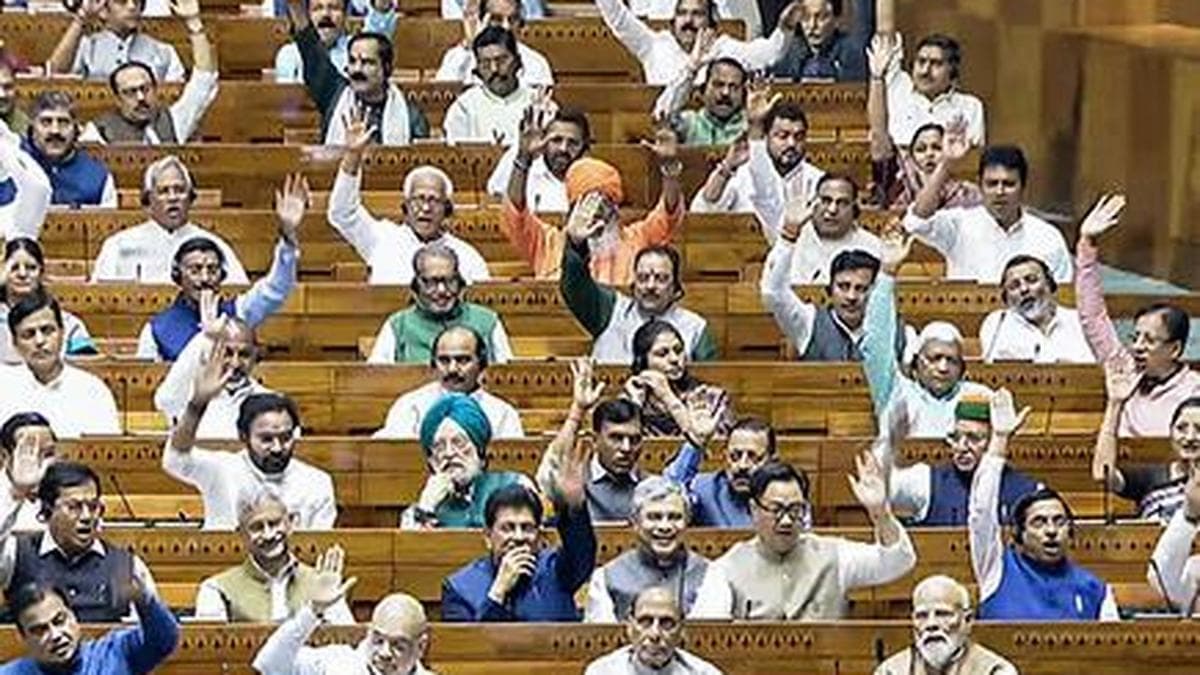
GlipzoThe guillotine mechanism is usually employed for ‘Demands for Grants’, which detail the financial needs of different ministries. This year, it gained significant attention when the Lok Sabha approved the Demands for Grants for 2026-27 on March 18, 2026, amounting to a staggering ₹53 lakh crore without extensive discussion. Only the Demands for Grants for the Agriculture and Railways ministries were deliberated upon in detail before the guillotine was applied.
To tackle this issue, the Business Advisory Committee (BAC) plays a pivotal role in scheduling discussions. As the session progresses, the number of pending demands grows, necessitating a structured approach to conclude deliberations. Ultimately, on the last day of discussions, the Lok Sabha Speaker may invoke the guillotine, leading to a simultaneous vote on all outstanding Demands for Grants, ensuring that even those not debated are passed. This procedural necessity underscores the urgency of financial governance in parliament.
Following the approval of the Demands for Grants, the next critical step is the introduction of the Appropriation Bill. This bill is vital as it legitimizes the withdrawal of funds from the Consolidated Fund of India to facilitate the approved expenditures. Once introduced, the Appropriation Bill is sent to the Rajya Sabha for further discussion before being returned to the Lok Sabha for final approval, as money bills cannot be passed by the Rajya Sabha.
Understanding the guillotine is critical not only for those engaged in politics but also for the general public, as it directly impacts how government funds are allocated and spent. The mechanism, while efficient, raises essential questions about the balance between expediency and thorough legislative oversight.
Furthermore, as the government prepares future budgets, the discussions surrounding the Demands for Grants will likely become a focal point, reflecting broader concerns about fiscal responsibility and the need for sound financial planning. The discourse surrounding the guillotine will be pivotal in shaping public perception of the government’s fiscal policies and its commitment to efficient yet accountable governance.
In conclusion, while the guillotine serves a vital function in ensuring timely approval of financial demands, its implications for democratic scrutiny and transparency remain critical topics of discussion as India navigates its complex fiscal landscape.

Tensions soar as the US and Iran engage in air strikes near the Strait of Hormuz, raising concerns over global oil supply and regional stability.
BBC World
Trump's international interventions face serious stalemates. What will this mean for U.S. foreign policy? Explore the critical challenges ahead.
Indian Express
Tehran denies resignation of President Masoud Pezeshkian amid claims of IRGC influence. What does this mean for Iran's political stability? Click to learn more!
Indian Express