
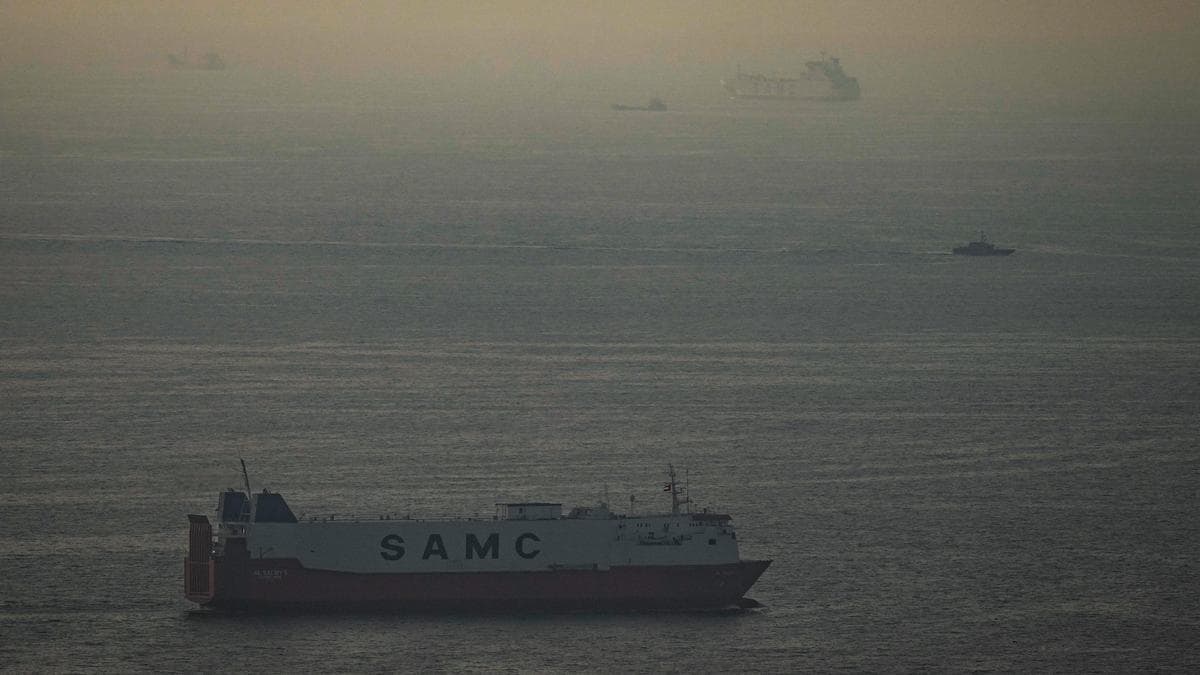
Image: The Hindu
UN’s shipping agency calls for urgent maritime safety framework in the Gulf to protect stranded vessels and seafarers amid escalating tensions.
GlipzoIn a critical response to escalating tensions in the Arabian Gulf, the International Maritime Organization (IMO) has called for an immediate establishment of a safe maritime framework. This urgent measure aims to facilitate the evacuation of merchant vessels trapped in the region, particularly those confined due to threats and attacks, including the closure of the strategically vital Strait of Hormuz. The IMO's action comes in light of recent developments, including an ongoing conflict between Iran and Israel that has severely impacted maritime security.
The IMO's council strongly condemned the increasing threats against vessels and highlighted the adverse effects these tensions have had on commercial shipping and the safety of seafarers. With around 20,000 seafarers currently stranded on approximately 3,200 vessels near the Strait, the organization is taking necessary steps to address the crisis and prioritize the safety of those in perilous conditions.
The Strait of Hormuz serves as a crucial maritime passage for global energy supplies, with about 20% of the world’s crude oil and liquefied natural gas transiting through this narrow waterway. The ongoing conflict and subsequent Iranian attacks on commercial ships have effectively created a blockade, disrupting the flow of essential supplies and raising global oil prices. The IMO's Secretary-General, Arsenio Dominguez, has expressed the urgency of the situation, stating, "I am ready to start working immediately in negotiations to establish a humanitarian framework to evacuate all vessels and seafarers trapped."
The IMO council's extraordinary session was convened following urgent requests from multiple member states, reflecting a growing international concern over the safety of maritime operations in the region. The council emphasized the need for a coordinated security approach to protect civilian seafarers and called upon all member states to support efforts in providing essential supplies like food, water, and fuel to stranded vessels.
During the session, the council made several recommendations aimed at improving the situation: - Immediate cessation of attacks on commercial ships to protect innocent civilian seafarers. - Assurance from member states for the provision of basic necessities to ships unable to leave the region. - Facilitation of crew changes and renewals to uphold the health and well-being of seafarers. - Maintaining communication channels between seafarers and their families to alleviate anxiety during this crisis.
This initiative underscores the importance of international collaboration in addressing maritime safety and security, especially in regions facing military conflicts. The IMO's call for a unified approach reflects the urgency of ensuring that maritime routes remain safe and accessible for global trade.
The Iran-Israel conflict has escalated significantly over recent months, contributing to a precarious atmosphere in the region. Iranian strikes on vessels have not only threatened the safety of maritime crews but have also disrupted international energy markets, causing oil prices to soar and creating volatility in global economic conditions. As tensions persist, the international community is closely monitoring developments and the implications they have for shipping routes.
The situation highlights the interconnectedness of maritime security and global trade, emphasizing the need for a robust response from international authorities. With the Strait of Hormuz being a critical chokepoint for energy supplies, any sustained disruption could have far-reaching effects on the global economy.
As the situation unfolds, the maritime community and global stakeholders will be watching closely for developments. The IMO's proactive stance signifies an essential step towards mitigating risks and ensuring the safety of seafarers. Key points to watch for include: - Progress on negotiations for establishing the humanitarian framework for vessel evacuation. - Responses from member states regarding the provision of resources to affected ships. - Potential shifts in the conflict between Iran and Israel that could further impact maritime safety. - Developments in global oil prices and market reactions to ongoing tensions in the region.
In conclusion, the recent actions taken by the IMO underscore the urgent need for a safe maritime framework in the Gulf, highlighting the organization's commitment to maritime safety and the well-being of seafarers. As the situation continues to evolve, the international community's response will be crucial in shaping the future of maritime operations in this vital region.
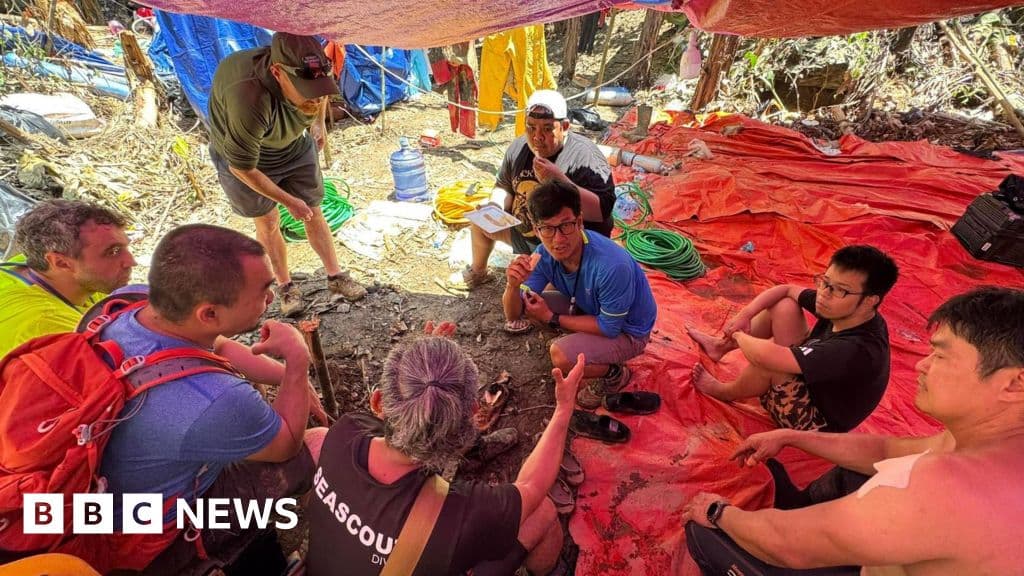
Survivors of the Laos cave rescue are aiding efforts to find the last two missing men trapped inside, sharing crucial insights for the search operation.
BBC World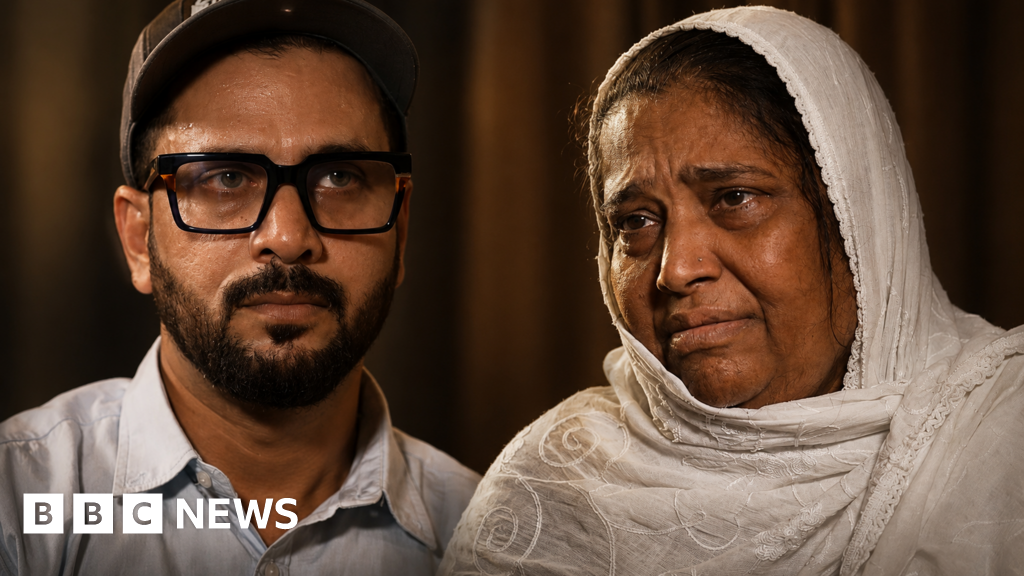
A year after the tragic Air India crash, the Ali family reflects on grief, unanswered questions, and the enduring bonds of love in the face of loss.
BBC Business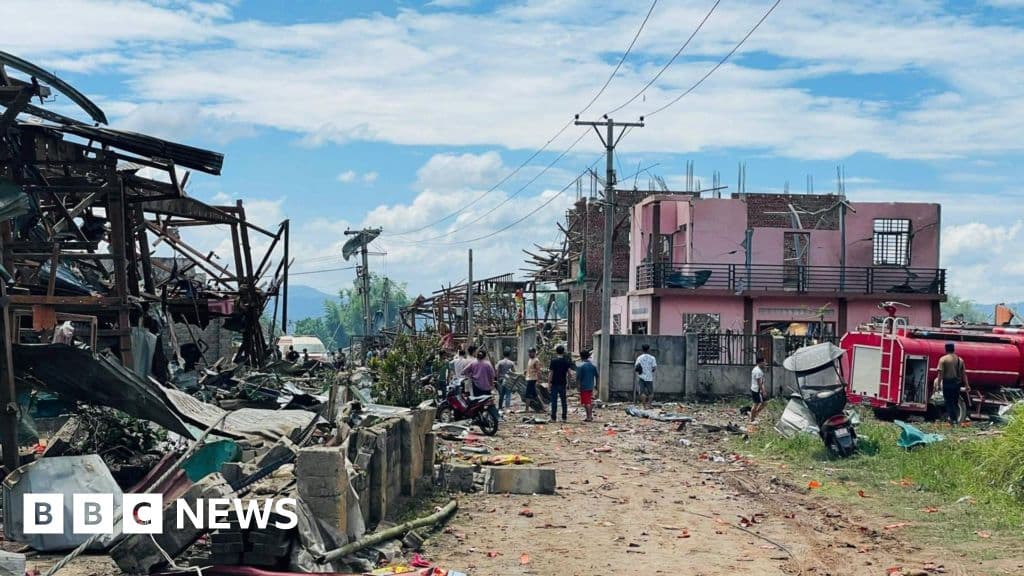
A devastating explosion in Myanmar's Kaung Tat village has killed at least 55 people, raising serious safety concerns and questions about civilian protection in conflict zones.
BBC World