
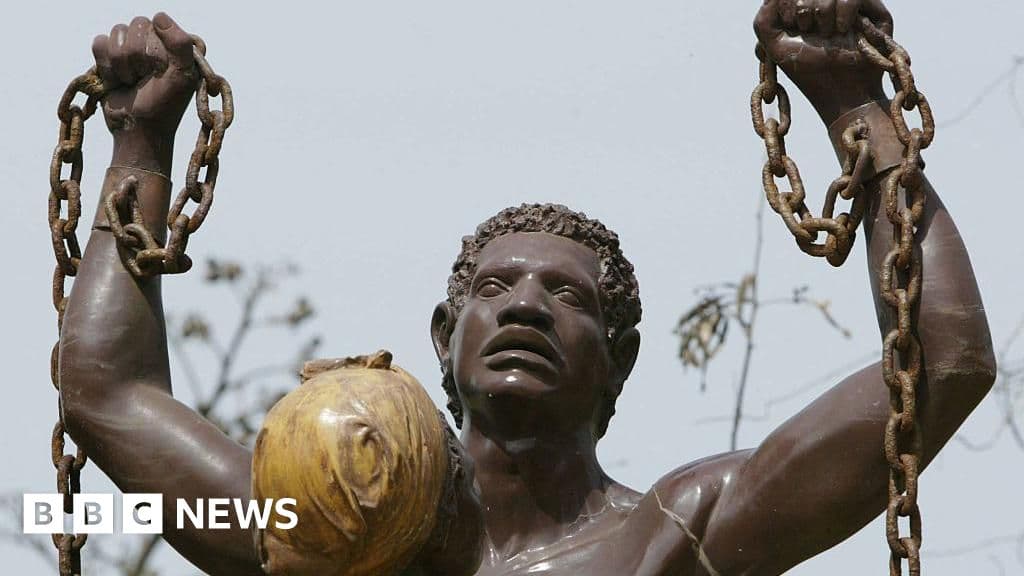
Image: BBC World
The UN declares the transatlantic slave trade a 'grave crime,' igniting discussions on reparations and historical acknowledgment. What’s next?
GlipzoThe resolution, championed by African and Caribbean countries, is non-binding but carries considerable symbolic weight. UN Secretary-General Antonio Guterres emphasized the need for recognition, stating that the prosperity of many Western countries was founded on "stolen lives and stolen labour." He described the transatlantic slave trade as a system of not just forced labor, but as a "machinery of mass exploitation and deliberate dehumanisation" that inflicted deep, lasting wounds on individuals and communities.
Analysts believe this vote could provide a renewed impetus for discussions about reparations for descendants of enslaved individuals. Almaz Teffera, a senior researcher at Human Rights Watch, remarked that having this debate at the UN is already a significant political step, despite its symbolic nature. It opens the door to future conversations around compensation and restorative justice for those impacted by slavery.
The resolution calls on UN member states to contemplate issuing formal apologies for their roles in the slave trade and to consider contributing to a reparations fund. The centuries-long struggle for reparations has intensified, especially after some nations and corporations have begun to acknowledge their historical ties to slavery.
In Brazil, the largest recipient of enslaved Africans, black individuals are statistically twice as likely to live in poverty compared to their white counterparts, according to the IBGE, Brazil's official statistics body. This stark disparity underscores the long-term impacts of systemic racism and exploitation that originated from the slave trade.
Dr. Esther Xosei, a prominent scholar and activist in the reparations movement, welcomed the UN's decision but cautioned against expecting immediate results. She noted, "It is a good victory for the reparations movement, but let's remember this is only a declaration of intent." Xosei stressed that true change will require grassroots activism and a shift in public understanding of slavery's legacy.
As nations reflect on their past, the focus will likely shift toward actionable steps—such as formal apologies and reparations funds. Grassroots movements will play a crucial role in shaping public discourse and pushing for accountability. The future of this conversation will depend on a collective commitment to addressing the injustices of history and their ongoing effects on current generations.
In conclusion, the UN's recent resolution is a significant milestone in recognizing the horrors of the transatlantic slave trade. It challenges nations to confront their histories and consider reparative measures, marking the beginning of a necessary dialogue that could shape global understandings of justice and restitution for generations to come.

Tensions soar as the US and Iran engage in air strikes near the Strait of Hormuz, raising concerns over global oil supply and regional stability.
BBC World
Trump's international interventions face serious stalemates. What will this mean for U.S. foreign policy? Explore the critical challenges ahead.
Indian Express
Tehran denies resignation of President Masoud Pezeshkian amid claims of IRGC influence. What does this mean for Iran's political stability? Click to learn more!
Indian Express