
Image: BBC World
DR Congo takes in its first deportees from the US, raising questions about immigration policy and international relations. What does this mean for the future?
GlipzoIn a significant move, fifteen individuals deported from the United States have landed in the Democratic Republic of Congo (DR Congo) as part of a controversial immigration agreement. This marks the first wave of an undisclosed number of deportees that the Congolese government has agreed to accept from the US, raising questions about the implications for both nations and the migrants involved.
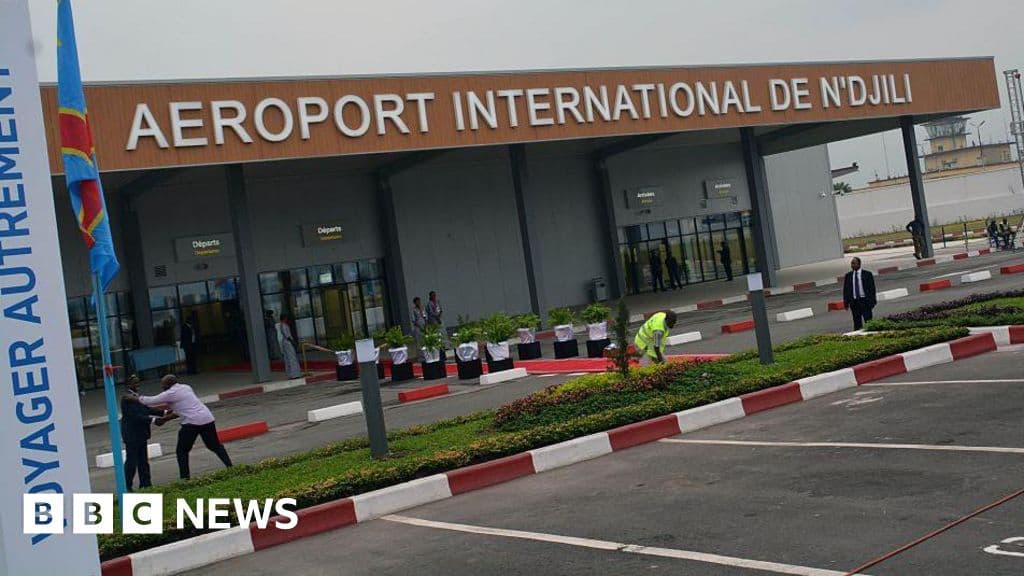
The arrivals occurred in the early hours of Friday at N'djili International Airport, where sources indicated that the group primarily consists of Colombian and Peruvian nationals. As these deportees settle into their temporary accommodations, the Congolese government has emphasized that their stay is not permanent. Instead, it is framed as a temporary arrangement funded by Washington, which is responsible for their reception, support, and care.
This event is part of a broader strategy by the US government to manage immigration by expelling individuals to various African nations, including Ghana, South Sudan, and Eswatini. The initiative aligns with the Trump administration’s aggressive stance on immigration, aiming to bolster border security while addressing the growing number of undocumented migrants.
Earlier this month, the Congolese officials expressed that accepting these third-country migrants aligns with their commitment to uphold human dignity and the protection of migrant rights. However, they clarified that this scheme should not be misconstrued as a permanent relocation strategy or an outsourcing of US immigration policies.
The US State Department has not disclosed specific details regarding ongoing diplomatic discussions with other countries but reiterated their commitment to combating illegal mass immigration. According to a report from the US Senate's Committee on Foreign Relations, the Trump administration is estimated to have spent over $40 million on third-country deportations as of January 2026, with significant funds allocated to nations such as Equatorial Guinea, Rwanda, El Salvador, Eswatini, and Palau.
In addition to the financial aspects of this deportation initiative, the US is actively engaging in negotiations related to mineral resources in DR Congo. The country is rich in vital metals like cobalt, tantalum, lithium, and copper, and these negotiations reflect the strategic interests of the US in accessing these resources.
The backdrop of this deportation agreement is marked by ongoing tensions in the eastern regions of DR Congo, where the Congolese government has been in conflict with the Rwanda-backed M23 rebels. Recent discussions between these factions have yielded commitments to allow humanitarian aid into affected areas, safeguard civilians, and work towards a lasting ceasefire. These negotiations, mediated by the US and Qatar, signal a potential shift in the dynamics of the conflict while addressing urgent humanitarian needs.
Despite the ongoing strife, the Congolese government’s decision to accept deportees from the US showcases a complex interplay of international relations, humanitarian considerations, and national security policies. The situation remains fluid as both governments navigate these challenges.
As the first cohort of deportees begins their stay in the Democratic Republic of Congo, it remains to be seen how this will affect the broader dynamics of migration and international relations between the US and African nations. The Congolese authorities have assured that the individuals are admitted under short-stay permits, highlighting the temporary nature of their situation.
As discussions about migration policies evolve, all eyes will be on how these deportations impact the lives of the migrants and the diplomatic relations between the US and DR Congo. Will this arrangement lead to a deeper partnership, or will it spark controversy over migrant treatment and national sovereignty? Only time will tell as the situation develops further.

Tensions soar as the US and Iran engage in air strikes near the Strait of Hormuz, raising concerns over global oil supply and regional stability.
BBC World
Trump's international interventions face serious stalemates. What will this mean for U.S. foreign policy? Explore the critical challenges ahead.
Indian Express
Tehran denies resignation of President Masoud Pezeshkian amid claims of IRGC influence. What does this mean for Iran's political stability? Click to learn more!
Indian Express