
Image: BBC World
UN court denies Ratko Mladić's release request due to health concerns, reaffirming the importance of justice for war crime victims amid ongoing scrutiny.
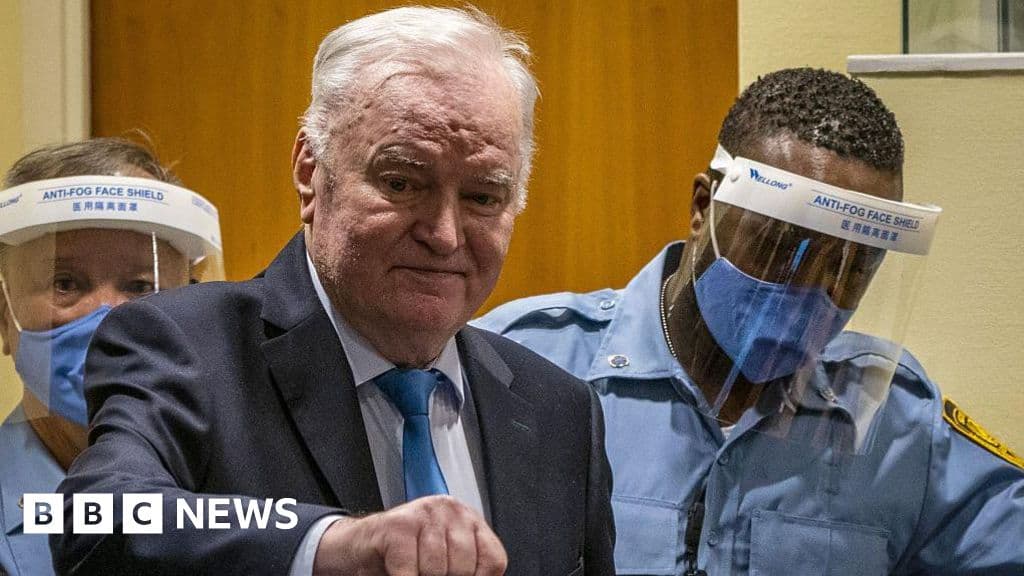
GlipzoIn a significant ruling, a United Nations court has rejected a plea from Ratko Mladić, the notorious Bosnian Serb war criminal, to be released from prison due to his declining health. The decision came on Thursday, highlighting both the gravity of his past actions and the quality of care he currently receives in custody.
Judge Graciela Gatti Santana acknowledged that Mladić, who is now 84 years old, is indeed in the final stages of his life. However, she emphasized that the medical facilities available at the UN detention center in The Hague are of such high quality that they ensure his comfort and comprehensive care.
> "There is no additional treatment available elsewhere that is unavailable in the Netherlands," Judge Gatti Santana stated, referring to the prison's capabilities to manage his health issues.
Ratko Mladić, often referred to as the "Butcher of Bosnia," was sentenced to life imprisonment in 2017 after being found guilty of genocide, war crimes, and crimes against humanity committed during the horrific conflicts in the former Yugoslavia from 1992 to 1995. His conviction specifically relates to the systemic atrocities carried out by his forces, including the siege of Sarajevo and the Srebrenica massacre, where 8,000 Bosniak men and boys were murdered.
The court's ruling to maintain his imprisonment underscores the enduring impact of his actions, which contributed to the deaths of over 100,000 individuals and the displacement of approximately two million people during the Bosnian war. Following his disappearance in 1995, Mladić evaded capture for 16 years before being apprehended in 2011.
The recent request for Mladić's release was fueled by alarming health reports from his legal team. They claimed that he has been bedridden or reliant on a wheelchair for an extended period, and that he suffered a suspected stroke during a phone call with his son, which severely impacted his ability to communicate.
His lawyers argued that the risk of imminent death is high, supporting their call for his immediate release to a hospital or hospice where he could receive care in Serbian. They also suggested that the Serbian government was willing to provide guarantees for his release, indicating a desire for him to return home.
While Judge Gatti Santana acknowledged that Mladić's situation is dire, she reiterated that he continues to receive comprehensive and compassionate treatment from qualified medical professionals. The ruling pointed out that he benefits from an exceptional visitation regime, allowing him to spend quality time with friends and family, including the possibility of having loved ones with him during his final moments.
> The court's decision reflects a careful balancing act between compassion for a dying man and the need for justice for the victims of his crimes.
Victims' groups in Bosnia and Herzegovina have voiced strong opposition to Mladić's potential release, viewing the defense's arguments as a legal maneuver rather than a genuine humanitarian request. They argue that any leniency toward a figure responsible for such extensive suffering is unacceptable and undermines the justice sought by survivors and families of the victims.
The rejection of Mladić's release request serves as a reminder of the long-lasting scars left by the Bosnian war and the ongoing quest for accountability. Advocates for victims emphasize the importance of ensuring that those responsible for war crimes face the consequences of their actions, regardless of their health status.
As it stands, the future of Ratko Mladić remains uncertain. While his legal team has not indicated whether they will pursue further appeals against the court's decision, the implications of this ruling extend beyond his personal circumstances. It highlights the ongoing challenges associated with war crime prosecutions and the complexities of delivering justice in the wake of such profound human suffering.
What happens next will be closely watched, as it could set a precedent for how similar cases are handled in international courts. Should Mladić's condition continue to deteriorate, discussions around his treatment and potential release may resurface, igniting further debate on the balance between humanity and justice. As the world reflects on the consequences of the Bosnian war, the focus remains on ensuring that the voices of victims are not forgotten in the shadows of history.
In conclusion, the UN court's firm stance sends a message that, while compassion is essential, it should not overshadow the imperative of justice for those who have suffered unimaginable atrocities. As the global community continues to grapple with the implications of war crimes, the case of Ratko Mladić serves as a stark reminder of the past and the importance of holding perpetrators accountable.
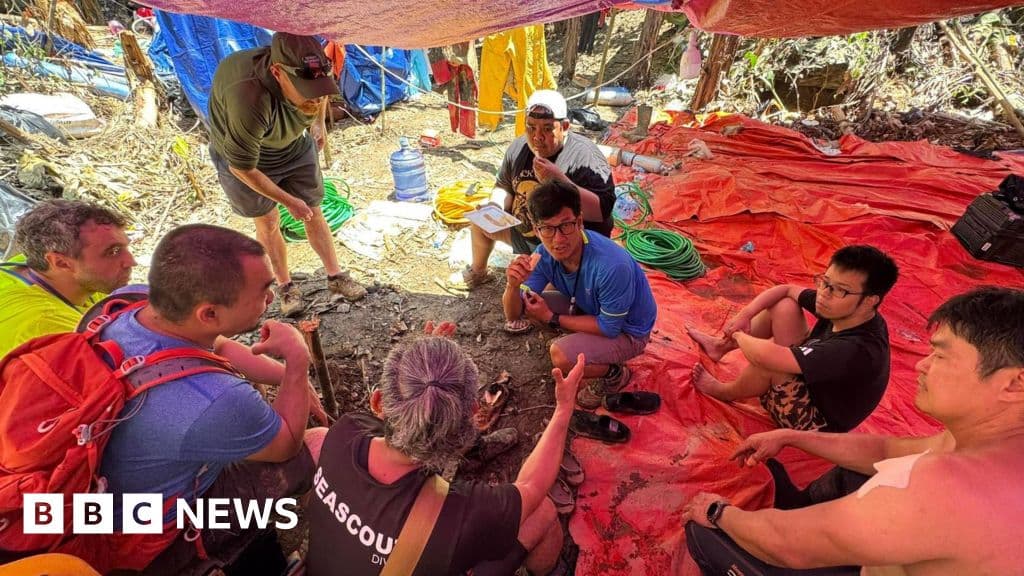
Survivors of the Laos cave rescue are aiding efforts to find the last two missing men trapped inside, sharing crucial insights for the search operation.
BBC World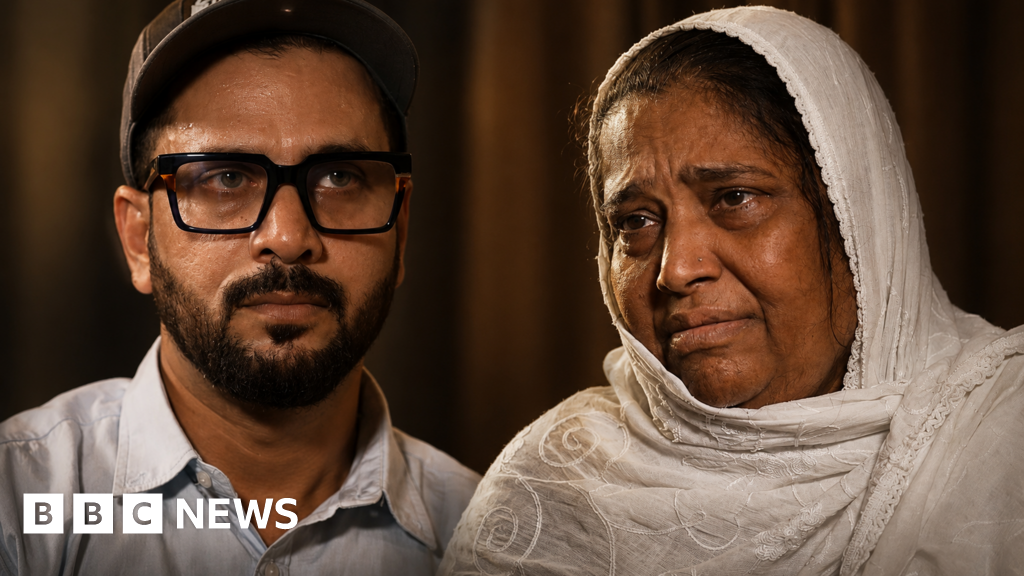
A year after the tragic Air India crash, the Ali family reflects on grief, unanswered questions, and the enduring bonds of love in the face of loss.
BBC Business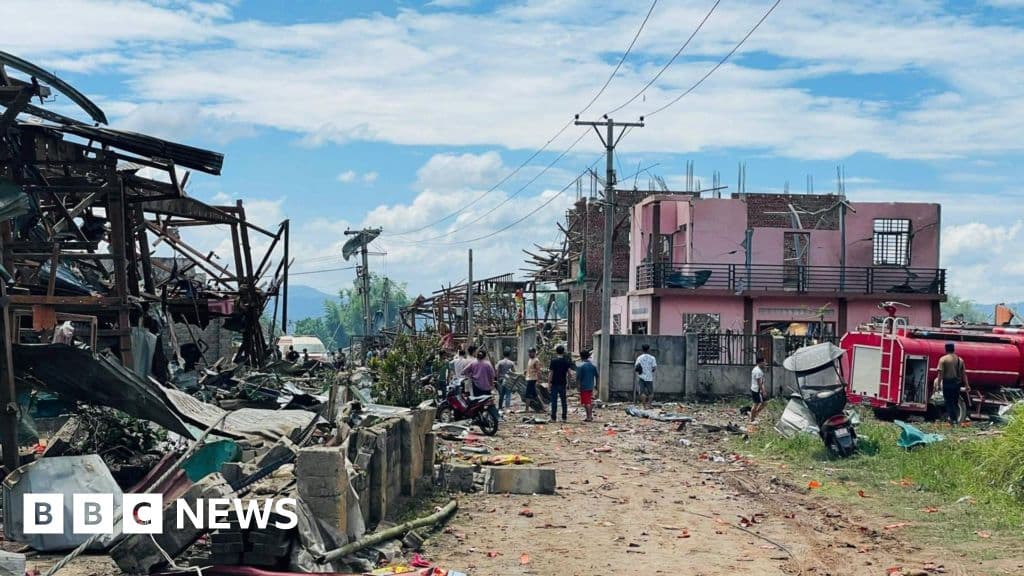
A devastating explosion in Myanmar's Kaung Tat village has killed at least 55 people, raising serious safety concerns and questions about civilian protection in conflict zones.
BBC World