
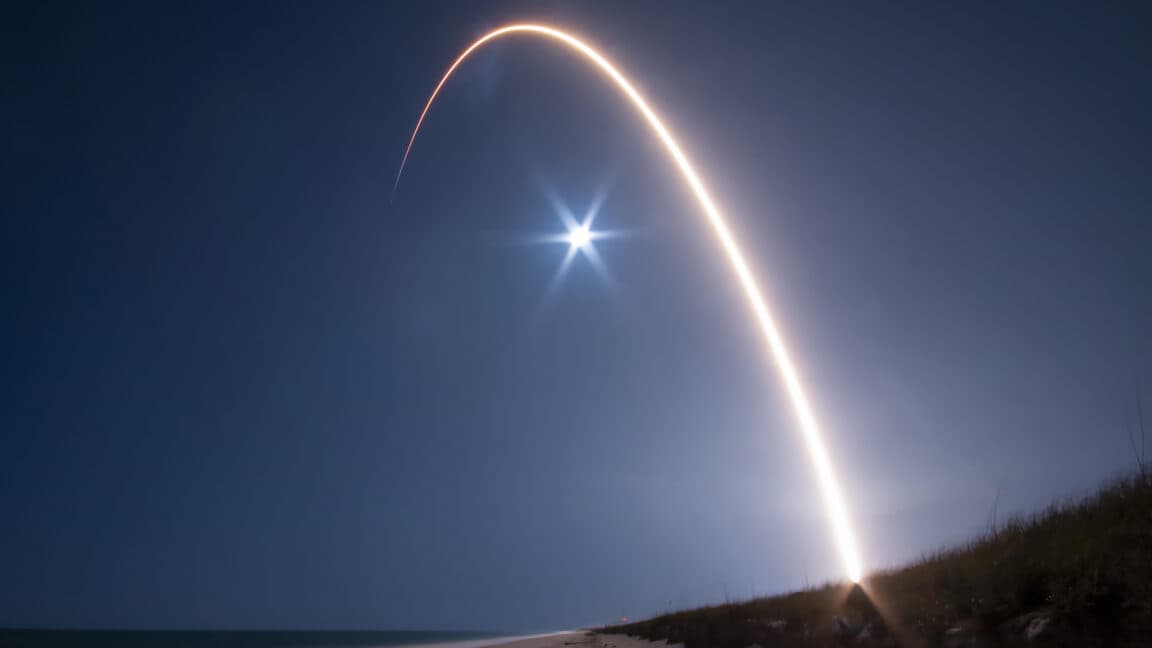
Image: Ars Technica
In a critical setback, ULA fails to deliver a GPS satellite, forcing the Space Force to turn to SpaceX once again. What does this mean for ULA's future?
GlipzoIn a striking turn of events, the United States Space Force has once again found itself in a position where it must rely on SpaceX to launch critical military satellites. This marks the fourth time in just over a year that the United Launch Alliance (ULA) has been unable to deliver on its commitments. The latest setback involves the launch of a key satellite for the GPS Block III program, which was originally scheduled for this month.
On Friday, the Space Systems Command announced that the GPS III SV10 satellite will now be launched by a Falcon 9 rocket from SpaceX, ULA's chief competitor. This decision underscores the ongoing challenges ULA faces as the Space Force shifts its reliance toward SpaceX for satellite launches.
The issues with ULA are not new; they are part of a growing pattern. The Vulcan rocket, ULA’s flagship launch vehicle, has faced significant delays and problems since its inception. Initially expected to make its maiden flight back in 2020, the Vulcan's operational timeline has slipped to early 2024. Compounding these delays, the Vulcan has now encountered technical difficulties on two occasions during its recent flights, leading to another setback for the military's satellite replenishment efforts.
This time, the Vulcan was grounded due to issues with its solid rocket boosters. The first incident, which occurred during an early test flight, was tied to a manufacturing defect that caused the booster’s exhaust nozzle to fail shortly after launch. While the investigation into the second booster failure remains ongoing, officials believe the issues are related, raising questions about the rocket's reliability.
Given the persistent technical difficulties, the Space Force has made the strategic decision to transfer the launch of the GPS III SV10 satellite to SpaceX. This decision not only highlights ULA's current challenges but also reflects the military's need for a reliable launch schedule. ULA’s inability to provide a dependable launch option has resulted in a series of mission transfers to SpaceX, which has proven its capability with a fleet of reusable rockets that can be launched multiple times a week.
Col. Ryan Hiserote, the director of the National Security Space Launch program, emphasized the need for flexibility in the current landscape, stating, “With this change, we are answering the call for rapid delivery of advanced GPS capability while the Vulcan anomaly investigation continues.” The Space Force’s ability to pivot quickly to ensure mission success speaks volumes about the urgency of their satellite replenishment needs.
The ongoing issues with ULA and the Vulcan rocket raise significant concerns not just for the company but also for national security. Once the exclusive launch provider for U.S. military missions, ULA has seen its position erode as SpaceX continues to gain ground in the military launch sector. The Pentagon opened the doors for competition in 2018, allowing SpaceX to enter the military launch market after a lengthy legal battle.
As ULA faces the prospect of losing more contracts, the implications could be far-reaching: - Financial Strain: ULA may experience a significant financial downturn due to the loss of contracts, which could impact its long-term viability. - Reputation Damage: The company risks tarnishing its reputation as a reliable launch provider, making it difficult to secure future contracts. - Increased Competition: As SpaceX continues to dominate, other new entrants may capitalize on ULA's struggles, further fragmenting the market.
Looking ahead, ULA will still have opportunities to regain its footing in the military launch sector. The company is slated to launch a classified U.S. military mission in 2028, which may provide a chance to rebuild trust with military officials. However, the timeline for the Vulcan rocket’s operational status remains uncertain, as the Space Force has indicated it will not return to using ULA for launches until the investigation into the booster issues is resolved.
The dynamic between ULA and SpaceX will continue to evolve as the Space Force works to meet its satellite launch needs. The military's reliance on timely and effective satellite deployment means that any further delays could have serious implications for national security.
As the investigation unfolds and the Space Force navigates its options, all eyes will be on ULA to see how it responds to these challenges. The future of military satellite launches hangs in a delicate balance, and the stakes could not be higher as the U.S. aims to maintain its edge in space capabilities.
The ongoing issues with ULA not only reflect the challenges faced by a major defense contractor but also underscore the critical nature of reliable satellite launches for national security. The Space Force's willingness to shift to SpaceX highlights the importance of agility and adaptability in the face of technical setbacks. As the U.S. military continues to prioritize advancements in satellite technology, the ramifications of these decisions will resonate throughout the defense industry for years to come.

Nvidia's new RTX Spark chip aims to transform personal computing with AI, marking a significant shift in technology. Discover what this means for consumers.
BBC Business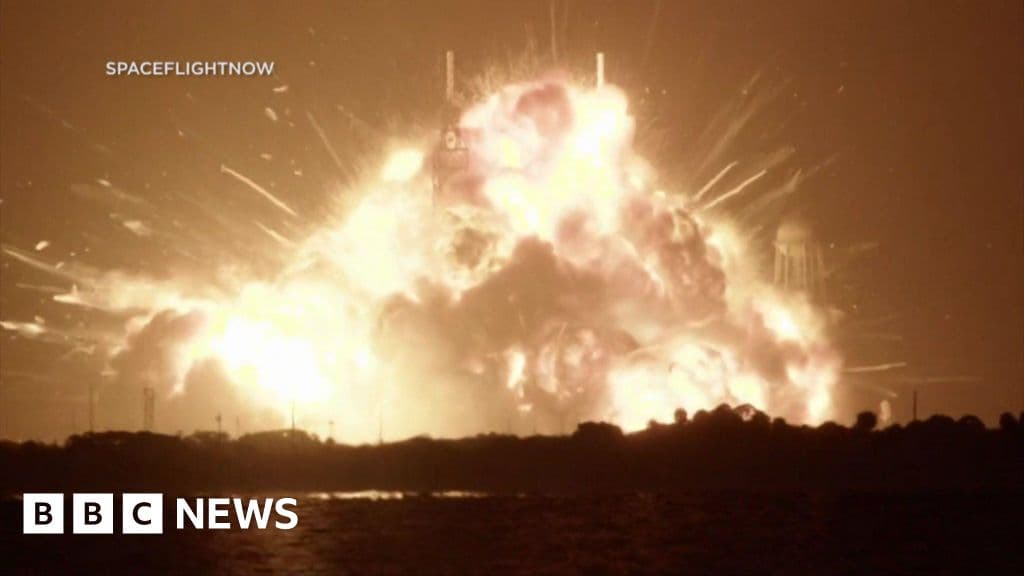
The explosion of Blue Origin's New Glenn rocket raises significant concerns over NASA's lunar ambitions and the future of Amazon's satellite projects. Discover the implications.
BBC Science
Discover how Meta's lack of engagement on user bans raises critical concerns about accountability and transparency in social media governance.
BBC Technology