
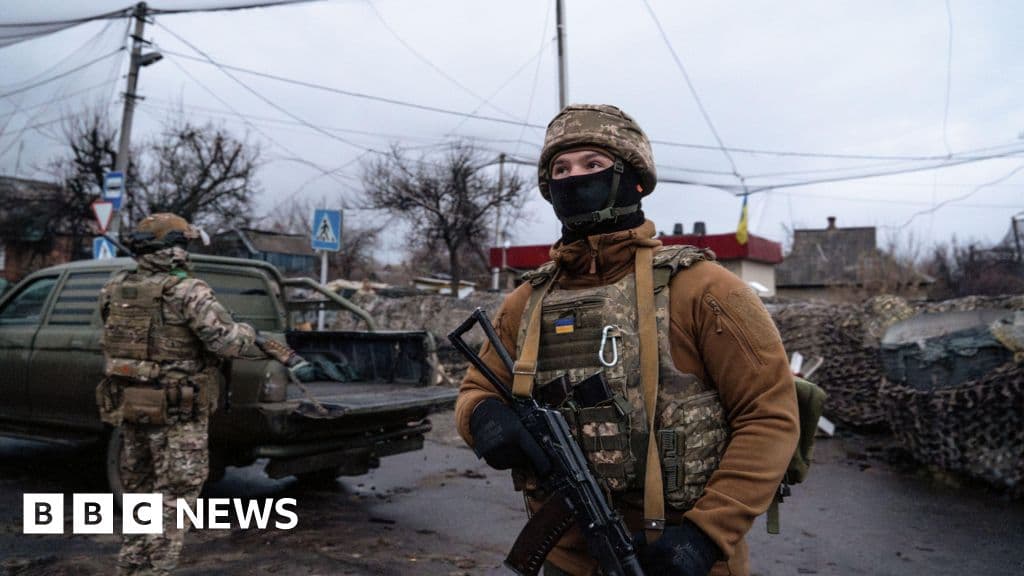
Image: BBC World
Discover how Ukraine is navigating a financial crisis amid war, with critical EU support and tax reforms shaping its economic future.
GlipzoAmid the ongoing conflict with Russia, Ukraine finds itself in a critical battle that extends beyond the battlefield—it's a fight for financial stability. As the nation grapples with the repercussions of war, maintaining a robust economy is essential not only for immediate survival but also for the future of a nation striving for European Union membership.
With a firm belief in their potential, Ukraine's Finance Minister, Sergii Marchenko, emphasizes the country's ambition: "We don't want to be just a poor neighbour [to the EU]. We want to provide for Europe, something which they lack." This statement underlines Ukraine's commitment to turn its painful experiences since February 2022 into valuable contributions to the continent, particularly in military expertise.
EU Financial Support: A Lifeline for Ukraine
One significant development in this financial struggle is the €90 billion ($105 billion; £79 billion) loan recently approved by the European Parliament. This funding is set to address Ukraine's budget shortfall over the next two years and is a substantial part of a larger $136.5 billion (£101 billion) international support package. Minister Marchenko asserts that without this crucial aid, Ukraine cannot hope to sustain itself in the aftermath of the ongoing conflict.
Marchenko states, "Our strong army depends on our strong economy, because all of our resources, which we mobilize internally, we channel... to defend our nation." This sentiment reflects the interconnectedness of military strength and economic stability, highlighting that domestic resources are vital for sustaining the defense efforts against Russian aggression.
In a bid to boost its economy, the Ukrainian government has implemented its first tax increases since the war's onset, which includes adjustments on personal income, small businesses, and financial institutions. This decision aims to raise $67.5 billion in domestic revenue for the current year, marking a 15% increase compared to the previous year.
However, the financial outlook remains challenging, with the government's budget for 2026 projecting expenditures of approximately $112 billion, nearly 60% of which is earmarked for military spending. This creates a significant shortfall of around $45 billion. To cover this gap, the government is pushing through contentious new tax measures in Parliament before the month's end.
As part of the $8.1 billion loan package recently approved by the International Monetary Fund (IMF), Ukraine is expected to increase taxes on digital platforms and reduce value-added tax exemptions. The first tranche of $1.5 billion from the IMF was received at the beginning of the month, with IMF mission chief Gavin Grey emphasizing that Ukraine must manage its high spending needs prudently.
The IMF's support is crucial for unlocking EU funds, especially as U.S. financial aid has diminished. Ukraine faces a pressing situation, with fears of running out of funds by the end of April. The government is racing to meet EU conditions while prioritizing social and humanitarian expenditures.
However, political hurdles persist, notably with Hungary’s Prime Minister, Viktor Orban, delaying the EU loan due to allegations of an “oil blockade” imposed by Ukraine. In response, Kyiv claims that slow repairs to the oil pipeline supplying Russian oil to Hungary are due to injuries sustained by repair crews from ongoing Russian attacks. This dispute adds another layer of complexity to Ukraine's financial predicament, particularly with critical Hungarian elections approaching next month.
Despite the challenges, there is debate over the effectiveness of the reforms being implemented in Ukraine. A recent assessment by the Ukrainian Institute of the Future warns that the ongoing war combined with increasing taxes may lead Ukraine toward economic collapse or default.
Conversely, while the conflict strains Ukraine's economy, it is also impacting Russia, with military efforts constituting 5.1% of its GDP, compared to a staggering 27% of Ukraine’s GDP devoted to defense. This disparity in economic allocation underlines the stark realities faced by both nations as the war continues.
As Ukraine navigates these turbulent financial waters, the coming months will be pivotal. The nation must balance the urgent need for military funding with the necessity of fostering economic resilience. Key factors to monitor include: - The outcome of Hungary's approaching elections and their potential impact on EU aid. - The success of proposed tax reforms and their effect on domestic revenue generation. - Ongoing negotiations with international financial institutions like the IMF and the EU regarding future aid packages.
Why It Matters: Ukraine's financial stability is not just crucial for its immediate defense against Russian aggression but is also a determining factor in its aspirations for EU membership and long-term economic recovery. The choices made today will shape the future of the nation and its relationship with Europe.
In conclusion, as the financial frontline intensifies, the resilience and adaptability of Ukraine's economy will be critical in determining the nation's fate amid ongoing conflict.

Survivors of the Laos cave rescue are aiding efforts to find the last two missing men trapped inside, sharing crucial insights for the search operation.
BBC World
A year after the tragic Air India crash, the Ali family reflects on grief, unanswered questions, and the enduring bonds of love in the face of loss.
BBC Business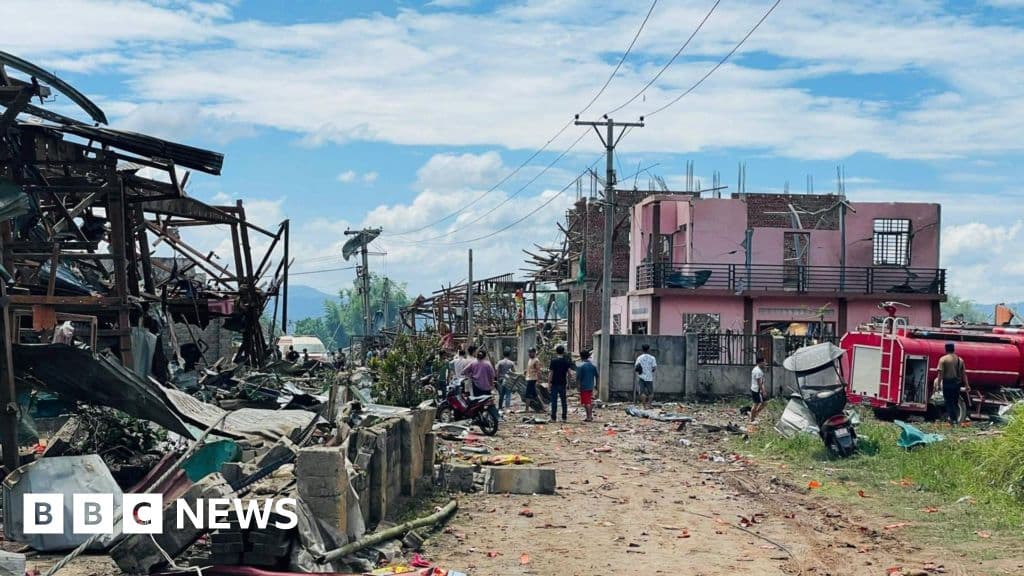
A devastating explosion in Myanmar's Kaung Tat village has killed at least 55 people, raising serious safety concerns and questions about civilian protection in conflict zones.
BBC World