
Image: BBC Business
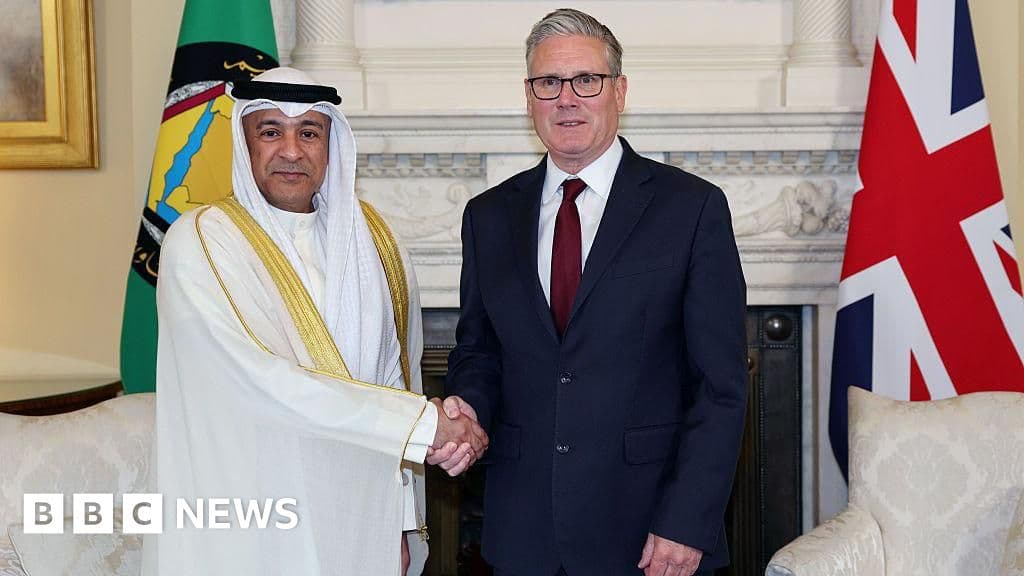
The UK has established a £3.7 billion trade deal with six Gulf states, aiming to boost exports and job growth, but concerns about human rights persist.
GlipzoIn a significant move for international trade, the United Kingdom has finalized a trade agreement with six Gulf states, valued at £3.7 billion. This landmark deal encompasses Bahrain, Kuwait, Oman, Qatar, Saudi Arabia, and the United Arab Emirates (UAE), aiming to bolster economic connections and provide a boost to British exports.
The UK government announced that, once fully executed, this agreement will eliminate approximately £580 million annually in tariffs on British goods entering the Gulf region. This substantial reduction in tariffs is expected to enhance competitiveness for UK businesses and facilitate easier access to the lucrative Gulf markets, potentially creating a multitude of job opportunities across various sectors.
The Conservative Party, which initiated these negotiations while in power, hailed the deal as a pivotal post-Brexit opportunity. They argue that this agreement is a vital component of the UK’s strategy to diversify its trade relationships following its exit from the European Union. Critics, however, have expressed concerns over the opposition’s stance, suggesting that Labour's perceived pro-EU approach could jeopardize such opportunities.
Among the British products benefiting from this deal are popular exports such as cheddar cheese, butter, and chocolate. By reducing tariffs on these goods, the UK hopes to strengthen its position in the global market and increase its export volumes to these Gulf nations.
This trade deal is notable not only for its economic implications but also for its historical significance. It marks the first trade agreement between a G7 country and the Gulf Cooperation Council (GCC). It is also the third trade deal to be concluded by Prime Minister Sir Keir Starmer’s administration, following agreements with India and South Korea.
Starmer characterized the GCC agreement as a “huge win” for both British workers and businesses. He emphasized that the anticipated benefits of this deal would manifest in the form of higher wages and enhanced employment opportunities in the years to come.
Peter Kyle, the Secretary of State for Business and Trade, underscored the importance of this agreement amid a backdrop of global instability, asserting that it sends a “clear signal of confidence” to UK exporters. He stated that this deal provides the certainty needed for businesses to plan their future operations effectively.
In support, Chancellor Rachel Reeves remarked that the deal exemplifies the government’s commitment to enabling British firms to compete and succeed on a global scale. She highlighted the positive implications for jobs, industry, and consumer choice stemming from this agreement.
Despite the optimistic outlook from government officials, the deal has faced criticism from human rights advocates. The Trade Justice Movement has expressed serious reservations, pointing out that the agreement lacks sufficient details regarding human rights and labor protections. The group has raised alarms over the GCC’s track record in areas such as press freedom, the use of the death penalty, and their significant contributions to greenhouse gas emissions due to their oil-rich economies.
They argue that this trade deal could entrench the UK’s economic ties with some of the world’s most repressive regimes, while the anticipated economic benefits seem minimal in comparison to the potential risks involved. As noted by the Trade Justice Movement, the agreement may compromise the UK’s ethical standards in favor of economic gain, raising questions about the long-term implications of such commercial ties.
As the UK moves forward with this newly minted trade agreement, several factors will play a crucial role in shaping its impact on both economic and human rights fronts. Stakeholders will be watching closely to see how the government addresses the concerns raised by human rights organizations, especially regarding labor laws and environmental issues.
In the coming months, the implementation of this deal will be closely monitored. Key questions will arise: - How effectively will the government ensure that businesses adhere to ethical standards? - What measures will be put in place to protect workers’ rights in both the UK and the Gulf states? - Will the economic benefits truly materialize for the average worker?
The answers to these questions will not only determine the success of the trade agreement but also the UK’s reputation on the global stage as it navigates a complex landscape of international relations and trade dynamics. The balance between economic growth and ethical responsibility will remain a focal point as this new era of trade unfolds.
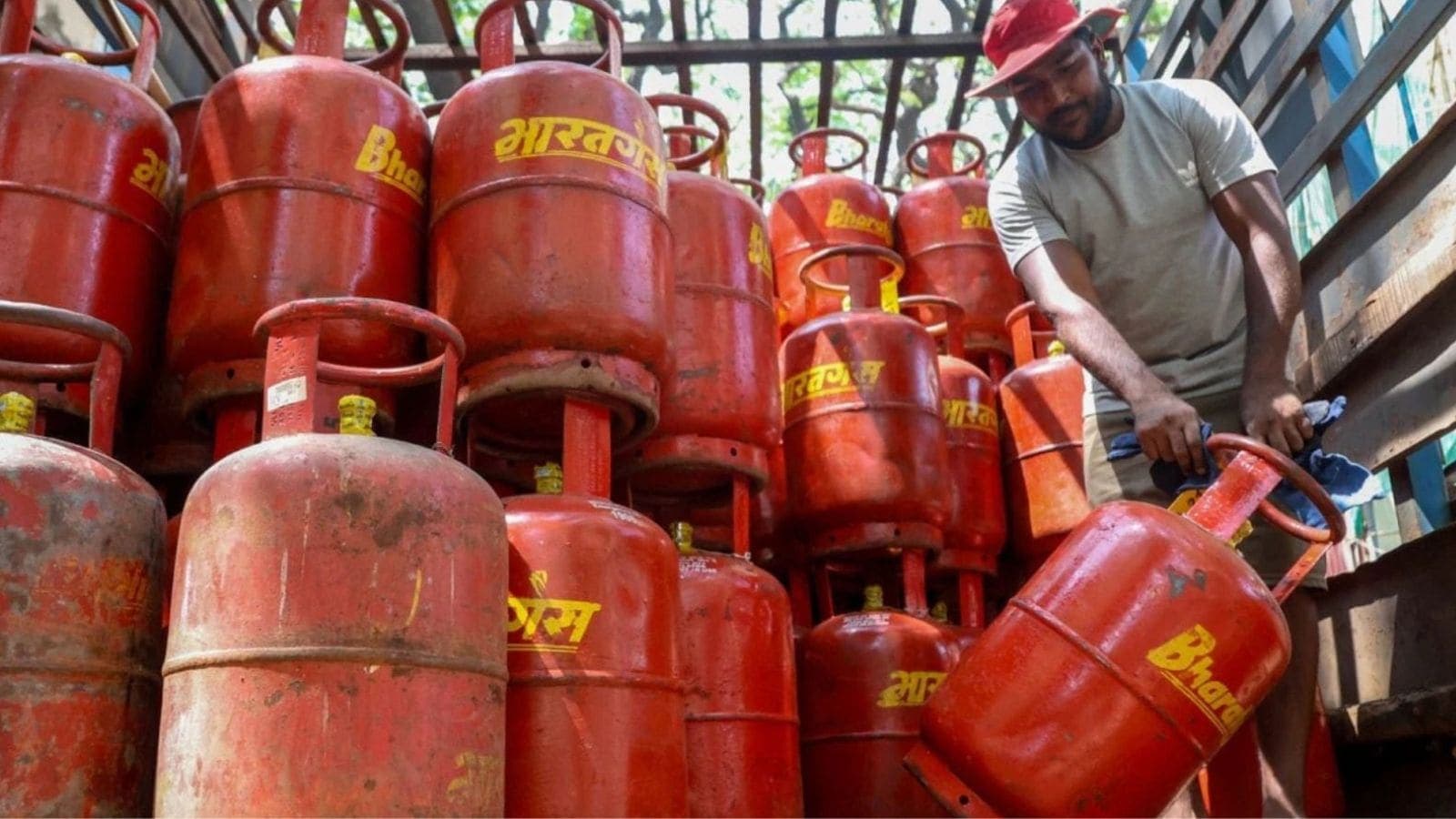
Commercial LPG prices have risen again, with increases of ₹42 in Delhi and ₹53.50 in Kolkata impacting businesses and consumers alike. Find out more.
Indian Express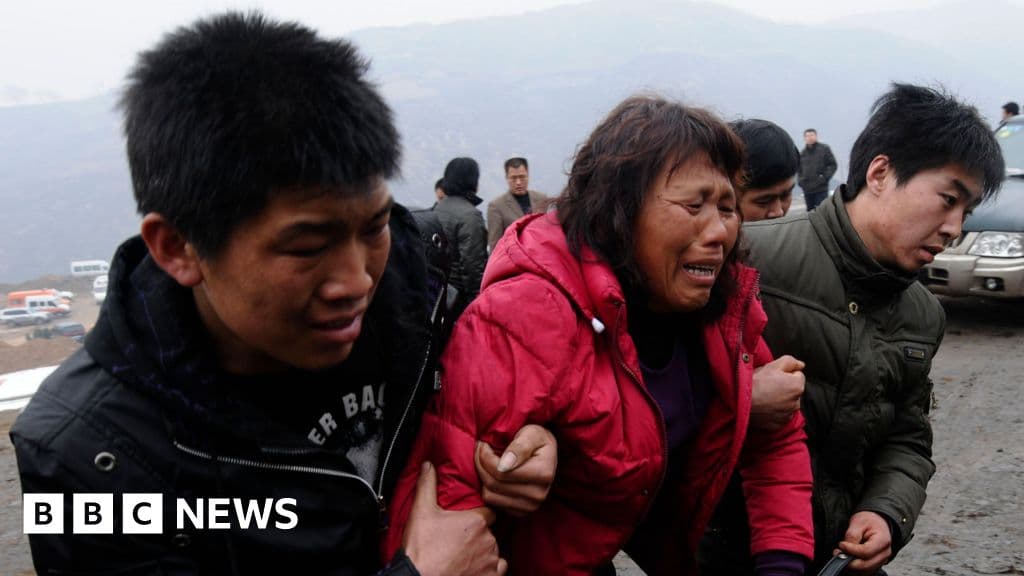
Discover how a tragic coal mine explosion in Shanxi, China, reveals ongoing safety concerns in the industry amidst a push for green energy.
BBC Business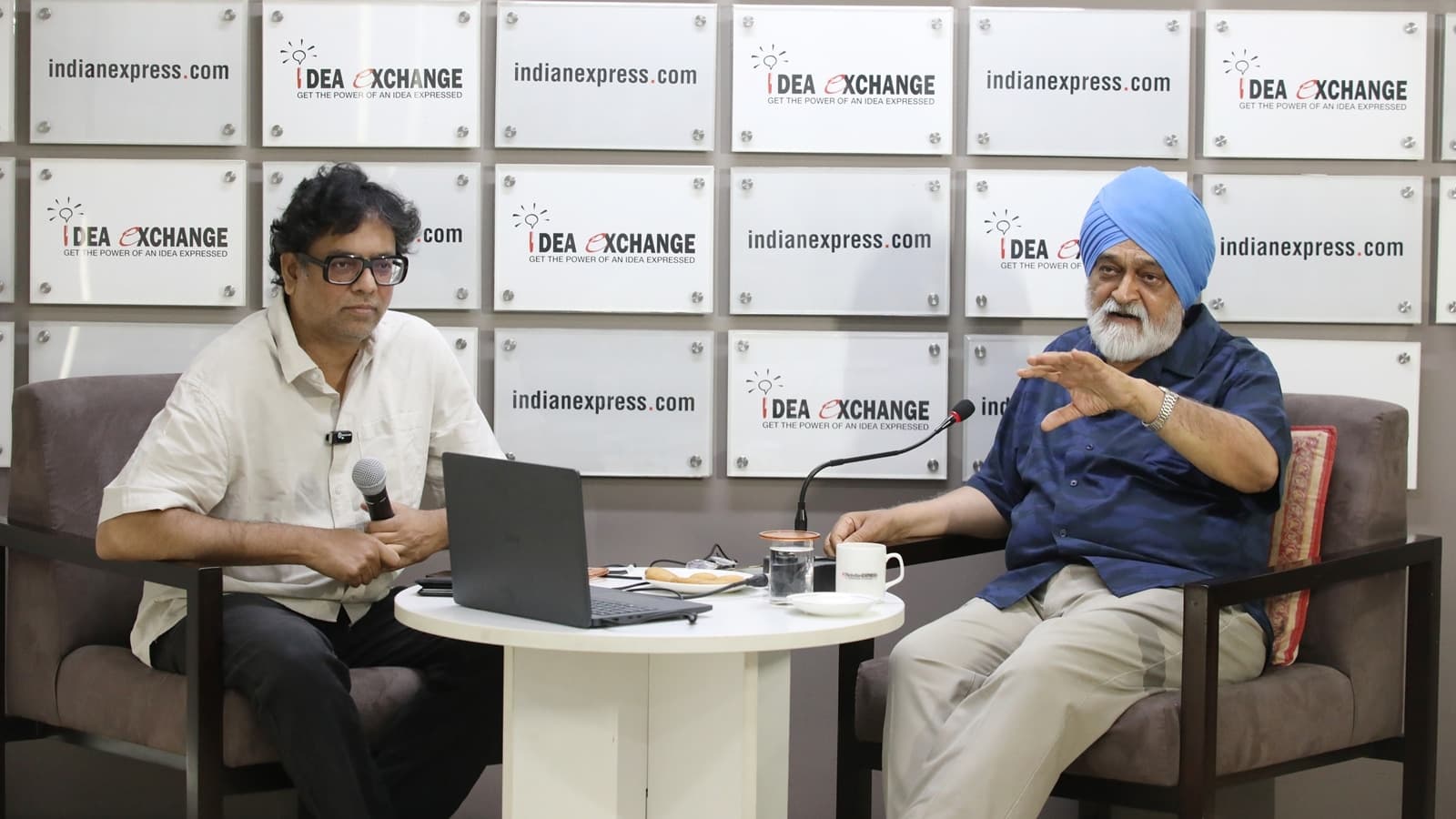
Montek Singh Ahluwalia highlights key economic challenges for India, emphasizing the need for a strategic approach to balance payments and investment.
Indian Express