
Image: Mint (Business)
UK officials deny claims of Iranian missile threats to Europe, emphasizing a lack of evidence amidst escalating geopolitical tensions over military actions.
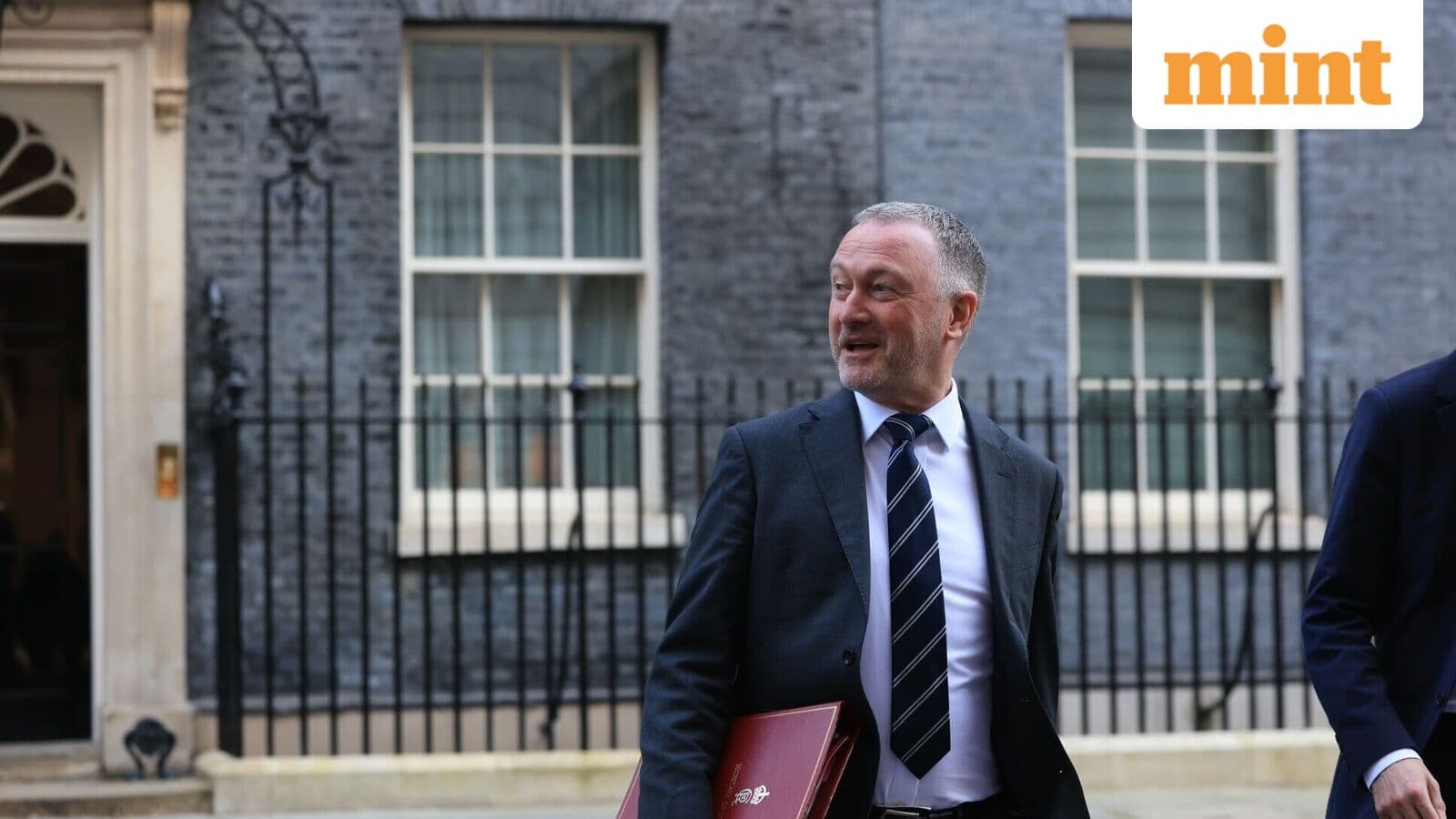
GlipzoIn a significant statement on Sunday, British Cabinet Minister Steve Reed dismissed claims that Iran is preparing to launch ballistic missile attacks targeting Europe. This assertion comes after the Israel Defense Forces (IDF) suggested that Iran now possesses missiles capable of reaching major European cities including London, Paris, and Berlin. Reed's remarks were made during an interview with the BBC, where he emphasized the absence of evidence to support such alarming claims.
Reed, who serves as the UK Housing Secretary, stated, "There is no assessment backing the idea that Iran is planning to target Europe with missiles, nor is there evidence that they currently possess such capabilities." His comments reflect a cautious stance amidst rising tensions in the region, particularly following Iran's recent missile actions.
The backdrop of Reed's comments involves a recent incident where Iran launched ballistic missiles at a joint US-UK military base located on Diego Garcia, a remote island in the Indian Ocean. Although there were no reported damages from this strike, it raised questions about Iran's missile range capabilities, which had been previously thought to be limited to approximately 2,000 kilometers. Notably, Diego Garcia is situated some 4,000 kilometers from Iran, prompting analysts to reconsider the potential reach of Iran's missile technology.
In a statement released shortly after the missile launch, the IDF highlighted Iran's ongoing efforts to develop missiles with ranges up to 4,000 kilometers, potentially threatening not only European nations but also countries across Asia and Africa. Iran, however, has categorically rejected these claims, asserting that they are part of a broader narrative aimed at justifying military aggression against them.
These developments follow a tense period marked by escalating rhetoric from various world leaders. On the same day of the missile strike, UK Prime Minister Keir Starmer authorized the United States to utilize British bases for potential strikes on Iran. This move drew sharp criticism from Iranian Foreign Minister Abbas Araghchi, who took to social media platform X to voice his concerns over Starmer's decision, claiming it jeopardizes the safety of British citizens.
Adding to the tension, former US President Donald Trump issued a stark warning that the US could target Iran's power infrastructure if the Strait of Hormuz, a critical maritime route for global oil shipments, was not reopened within 48 hours. The Islamic Revolutionary Guard Corps (IRGC) had previously shut down the strait in response to US and Israeli military actions against Iran. In a threatening message, Trump stated that failure to comply would result in the US striking and destroying Iran’s power plants, starting with the largest facility.
In light of these escalating tensions, Steve Reed responded to Trump's aggressive stance by clarifying that the US President's views do not necessarily reflect the position of the UK government. Reed reiterated that Britain would not be drawn into the conflict, emphasizing the importance of safeguarding British interests while monitoring the situation closely.
According to reports from the Daily Mail, should Iran launch an attack on the UK, Britain would likely rely on US missile defense systems stationed across Europe. This reliance is particularly concerning given that cities like London and Paris fall within the potential range of Iranian missiles if they utilize existing technology to extend their capabilities.
Some experts believe that in the event of a ballistic missile attack, the UK would have to depend on SM-3 defense systems located in Eastern Europe or Patriot missiles used by Germany to counter any threats effectively.
The stakes are high as tensions between Iran, the US, and their allies continue to escalate. The potential for conflict not only poses a direct threat to the nations involved but also has broader implications for global security and stability. The Strait of Hormuz remains one of the world's most crucial waterways, and any disruption in this region could lead to significant economic repercussions worldwide.
As the situation evolves, observers must keep an eye on several key factors: - The response from Iran to international pressure and military actions. - The US and UK’s military strategies in the region and how they may adapt to changing circumstances. - Potential diplomatic efforts aimed at de-escalating tensions and preventing further conflict.
With these elements at play, the international community will be watching closely as this situation unfolds, hoping for a peaceful resolution amidst growing fears of military confrontation.
Swati Gandhi is a digital journalist with extensive experience in international relations and geopolitical analysis. Her work focuses on the complex dynamics shaping global politics and their implications for various nations, particularly in the context of evolving conflicts and alliances.

Tensions soar as the US and Iran engage in air strikes near the Strait of Hormuz, raising concerns over global oil supply and regional stability.
BBC World
Trump's international interventions face serious stalemates. What will this mean for U.S. foreign policy? Explore the critical challenges ahead.
Indian Express
Tehran denies resignation of President Masoud Pezeshkian amid claims of IRGC influence. What does this mean for Iran's political stability? Click to learn more!
Indian Express