

Image: BBC Business
UK inflation hits 3.3% due to the Iran conflict's impact on fuel prices. What does this mean for households and the economy? Find out more.
GlipzoThe UK’s inflation rate surged to 3.3% for the year ending in March 2023, marking a notable increase from 3% the previous month. This rise is significantly attributed to the ongoing US-Israel conflict with Iran, which has triggered the steepest increase in petrol and diesel prices observed in over three years. The Office for National Statistics (ONS) reported that alongside fuel prices, rising airfares and food costs have also contributed to this inflation spike, offering a glimpse into the broader economic impacts of the Middle East turmoil on the UK’s cost of living.
As the conflict escalates, experts predict that inflation will likely remain elevated throughout the year. With energy costs on the rise, many households and businesses may find their financial flexibility diminished, potentially slowing down economic growth. Economists forecast inflation could peak between 3.5% and 4% this year, surpassing the Bank of England's target of 2% but falling short of the double-digit inflation rates seen during the early months of the Ukraine war in 2022.
Since the onset of the Iran war on February 28, wholesale energy prices have dramatically increased. With missile strikes and drone attacks disrupting energy production and transport across the Middle East, the supply chain has faced significant challenges. The ONS compiled its March data during a period when the war had already begun to affect market dynamics.
Motor fuel prices experienced a staggering 8.7% monthly increase, the largest recorded rise since June 2022, shortly after the Russia-Ukraine conflict escalated. Over the year to March, fuel prices rose by 4.9%, representing the most substantial growth since January 2023. This rise in energy costs has a cascading effect on other sectors, leading to increased operational costs for businesses and ultimately impacting consumers.
Grant Fitzner, chief economist at the ONS, highlighted that the increase in airfares and food prices also played a role in the rising inflation figures. Notably, the timing of Easter this year coincided with the rise in airfares, as long-haul flights were recorded before the conflict escalated.
Food inflation climbed from 3.3% to 3.7% year-on-year by March, driven particularly by rising costs in categories such as: - Chocolate and confectionery - Meat and fish - Soft drinks
This inflationary trend in food prices can have a delayed impact, as it typically takes 7 to 13 months for changes in the food supply chain to reflect in retail prices. The Food and Drink Federation anticipates that food inflation could reach as high as 10% by year’s end if current trends continue.
Before the conflict, expectations were that the Bank of England would lower interest rates this year. However, the looming threat of higher inflation has led to speculation that the bank may either maintain current rates or consider an increase. The current interest rate stands at 3.75%, and the Monetary Policy Committee is set to convene next week to deliberate on potential adjustments.
Typically, higher inflation prompts central banks to raise interest rates to curb demand, while slowing economic activity may lead them to lower rates to encourage borrowing and spending. As energy prices continue to rise due to the conflict, households and businesses may potentially reduce their spending, complicating the Bank of England's monetary policy strategies.
Chancellor Rachel Reeves emphasized the government's commitment to managing rising living costs, stating, "This is not our war, but it is pushing up bills for families and businesses. That's why it's my number one priority to keep costs down." She outlined plans to protect consumers from unjust price hikes, particularly in the food sector, while also working to enhance the country’s long-term energy security.
In contrast, Shadow Chancellor Sir Mel Stride criticized the government, attributing the inflationary pressures to poor economic decisions. He argued that Labour’s policies have exacerbated the situation, making the economy more vulnerable. Stride called for measures to reduce the benefits bill and lower taxes as potential solutions to address rising living costs.
As the situation in the Middle East continues to unfold, the implications for the UK economy remain uncertain. With inflation on the rise and energy prices fluctuating, consumers and businesses alike are bracing for potential financial strain.
Moving forward, key areas to monitor include: - The Bank of England's upcoming interest rate decisions - Predictions regarding food and energy inflation - Government interventions aimed at mitigating the impact on households
As the conflict in Iran persists and global economic conditions evolve, the potential for further inflationary pressures looms large, making it crucial for policymakers to navigate these challenges effectively.
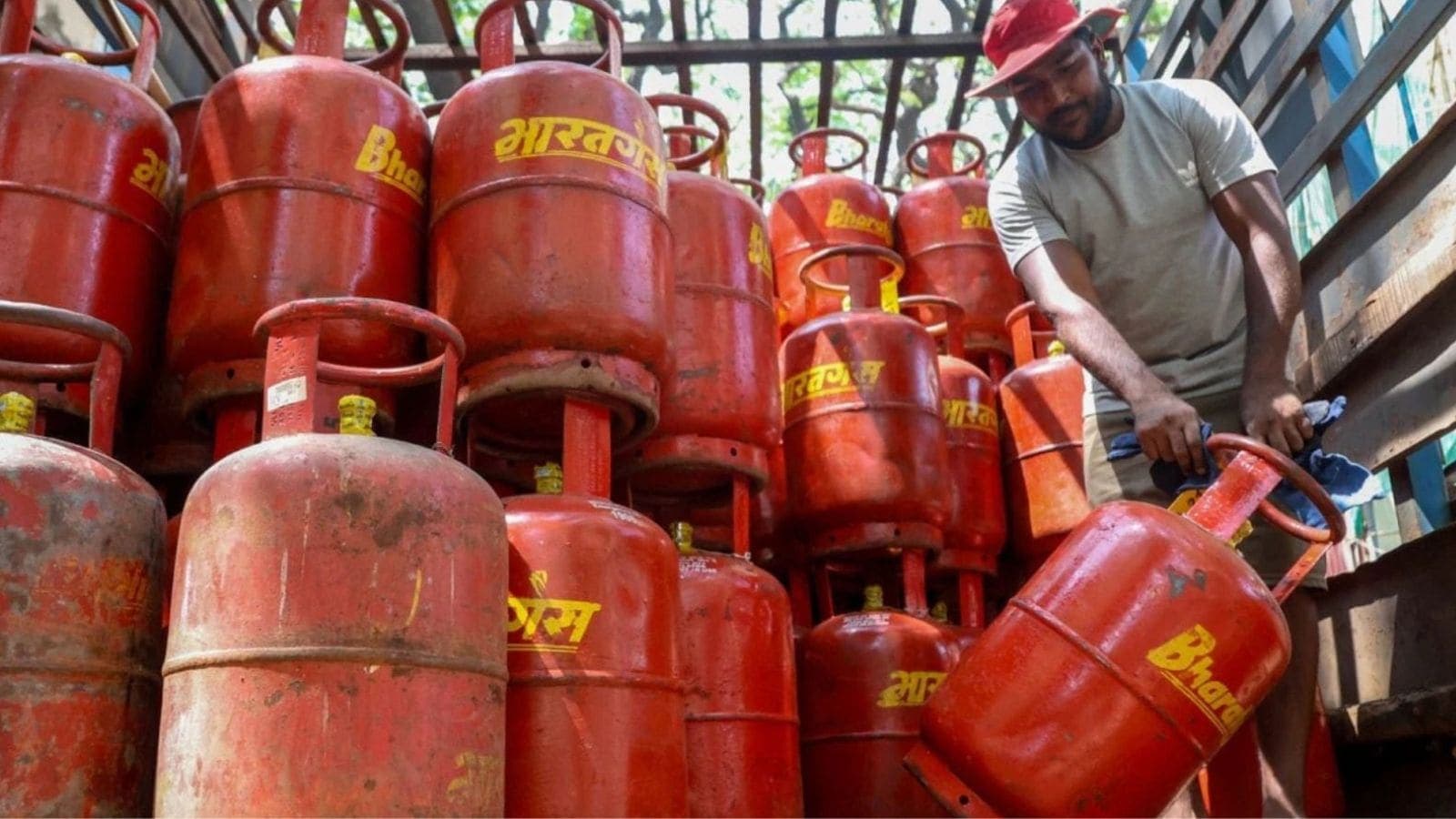
Commercial LPG prices have risen again, with increases of ₹42 in Delhi and ₹53.50 in Kolkata impacting businesses and consumers alike. Find out more.
Indian Express
Discover how a tragic coal mine explosion in Shanxi, China, reveals ongoing safety concerns in the industry amidst a push for green energy.
BBC Business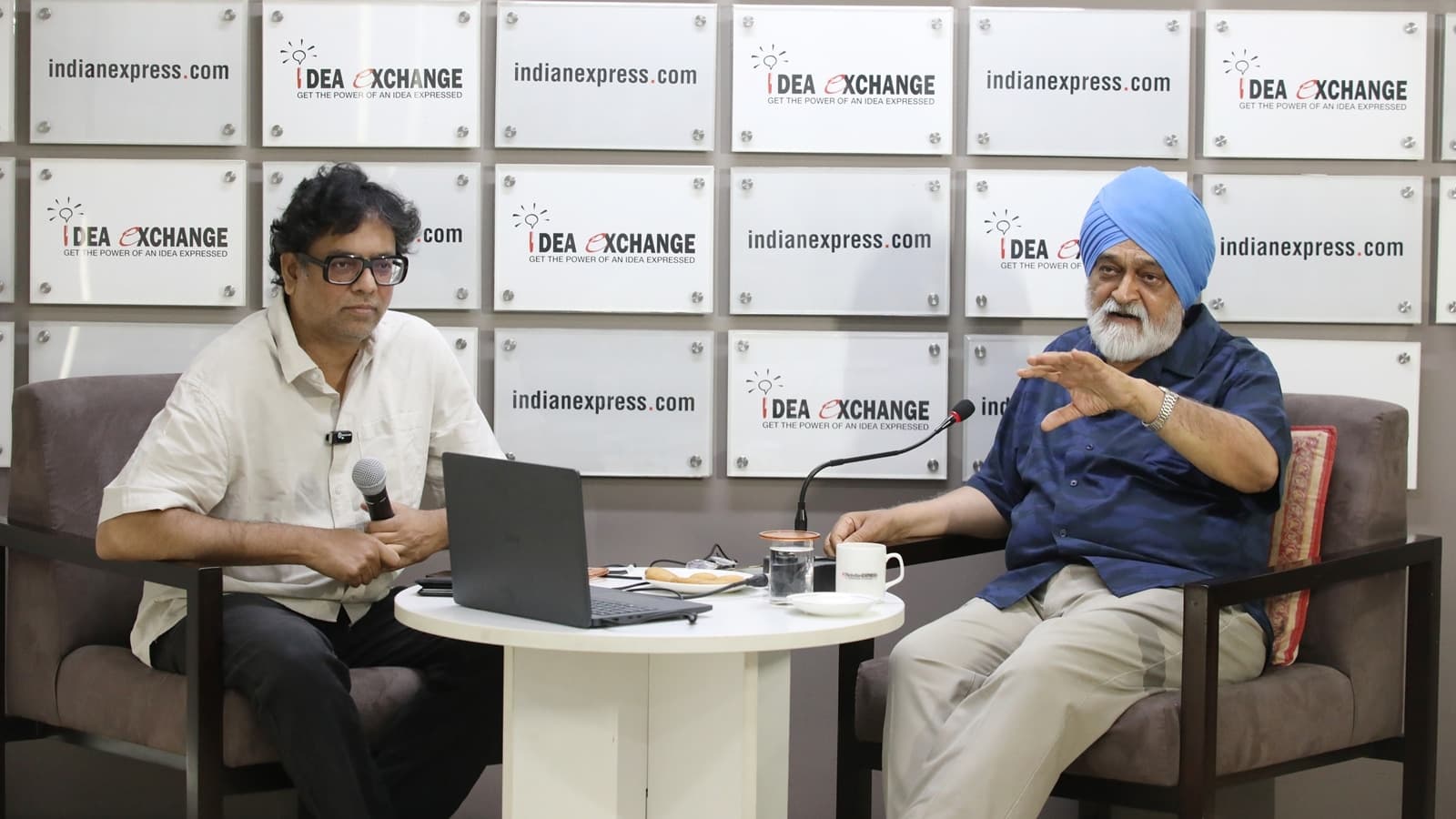
Montek Singh Ahluwalia highlights key economic challenges for India, emphasizing the need for a strategic approach to balance payments and investment.
Indian Express