
Image: BBC Business
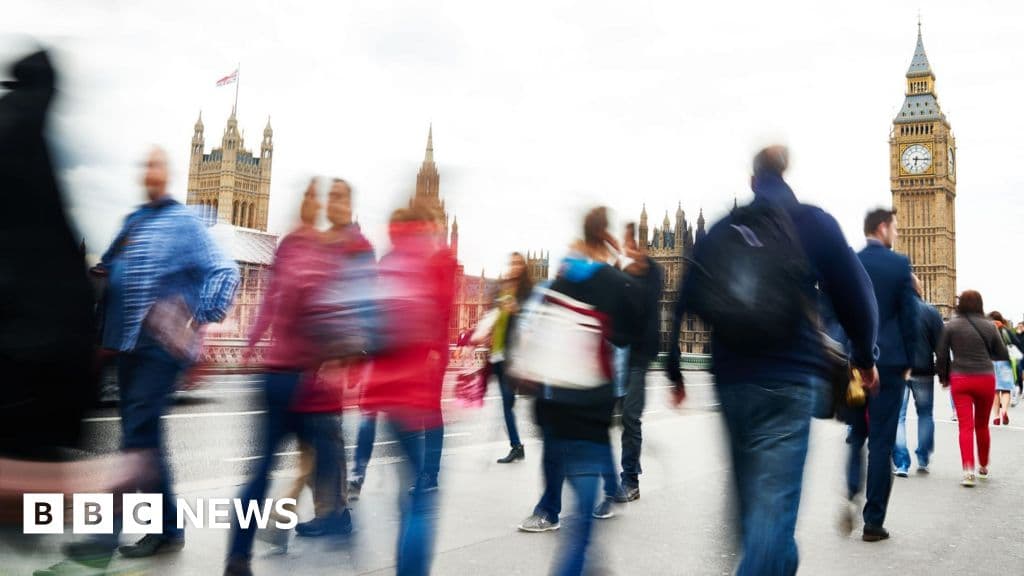
UK government borrowing has fallen to a three-year low, but the ongoing Iran war raises concerns about future economic stability and inflationary pressures.
GlipzoIn a significant development for the UK economy, annual government borrowing has reportedly dropped to its lowest level in three years, yet experts remain cautious about the sustainability of this trend. The latest figures from the Office for National Statistics (ONS) reveal that borrowing fell by £19.8 billion, bringing the total to £132 billion for the year ending March 2023. This marks a notable decrease from the previous year and is the lowest borrowing figure since the fiscal year 2022-2023.
While the reduction in borrowing is a positive indicator, it slightly undercuts the forecast provided by the Office for Budget Responsibility, which had projected borrowing to be £132.7 billion. Analysts caution that this improvement may be short-lived, particularly due to the ongoing Iran war, which has significant implications for global energy prices and the UK’s economic landscape.
The conflict, which has escalated tensions in the Middle East, has led to an increase in energy prices, notably affecting the Strait of Hormuz—a vital passage that facilitates around 20% of the world’s oil and liquid natural gas supplies. The impact of rising energy costs is already being felt at the pump, with petrol and diesel prices climbing higher, further contributing to inflation.
Ruth Gregory, the deputy chief UK economist at Capital Economics, emphasized that the repercussions of the energy crisis stemming from the Iran conflict are yet to fully materialize. She noted, "The full impact from the energy price shock caused by the conflict is still to come." This sentiment is echoed by the International Monetary Fund (IMF), which recently stated that the UK would likely experience the most severe effects among advanced economies, downgrading its growth forecast for the UK to 0.8%, down from 1.3%.
Despite the potential for increased tax revenues from fuel and North Sea oil and gas, the prospect of slower economic growth raises concerns about the overall tax income. With borrowing costs surging since the onset of the Iran war, the UK government may also need to consider additional support measures for households struggling with escalating energy bills. Chancellor Rachel Reeves hinted that any support would be directed toward lower-income families.
In light of these challenges, Gregory predicts that borrowing could rise again, estimating it will increase from £132 billion in 2025/26 to about £145 billion this year. Elliott Jordan-Doak, a senior UK economist at Pantheon Economics, further highlighted the daunting fiscal landscape ahead, estimating an additional £12 billion in interest payments this year alone. He warned that any further fiscal support would necessitate even more borrowing.
The ONS reported that borrowing for March stood at £12.6 billion, exceeding analysts' expectations but still £1.4 billion less than in the same month the previous year. This figure also represents the lowest March borrowing since 2022. The proportion of borrowing relative to GDP was recorded at 4.3%, the lowest since the fiscal year 2019-20, just before the onset of the Covid-19 pandemic.
Tom Davies, an ONS senior statistician, remarked that while overall spending has increased this financial year, it has been more than countered by heightened receipts, illustrating a complex fiscal situation.
Economists have voiced concerns over a potentially more challenging outlook for the UK economy. Nabil Taleb, an economist at PwC UK, expressed that the economic environment is likely to become increasingly difficult. There is growing speculation regarding the impact of a slowing economy on the chancellor’s ability to adhere to her financial commitments.
According to the Resolution Foundation, if the situation in Iran escalates, borrowing could surge by an additional £16 billion annually by 2029-30. Such projections underscore the necessity for the government to navigate these economic challenges with care.
In response to the latest borrowing data, James Murray, Chief Secretary to the Treasury, stated, "Our deficit is down £19.8 billion because of our plan to cut borrowing. In a volatile world, the decisions we are taking are the right ones to keep costs down, take back our energy security, and cut borrowing and debt." Meanwhile, Shadow Chancellor Mel Stride criticized the government’s fiscal management, highlighting that the annual deficit remains 70% higher than initially forecasted.
As the UK grapples with the ramifications of rising energy costs and geopolitical tensions, the future fiscal landscape remains uncertain. Analysts will be closely monitoring the government's response to these challenges, particularly regarding potential support initiatives and the broader impacts on economic growth. With inflationary pressures looming, all eyes will be on the chancellor’s next moves and the strategies implemented to stabilize the economy amidst these turbulent times.
In conclusion, while the recent decline in UK government borrowing is a welcome sign, the looming threats from international conflicts and economic pressures suggest that the road ahead may be fraught with challenges. How the government addresses these issues will be crucial for the country’s economic stability in the coming months.
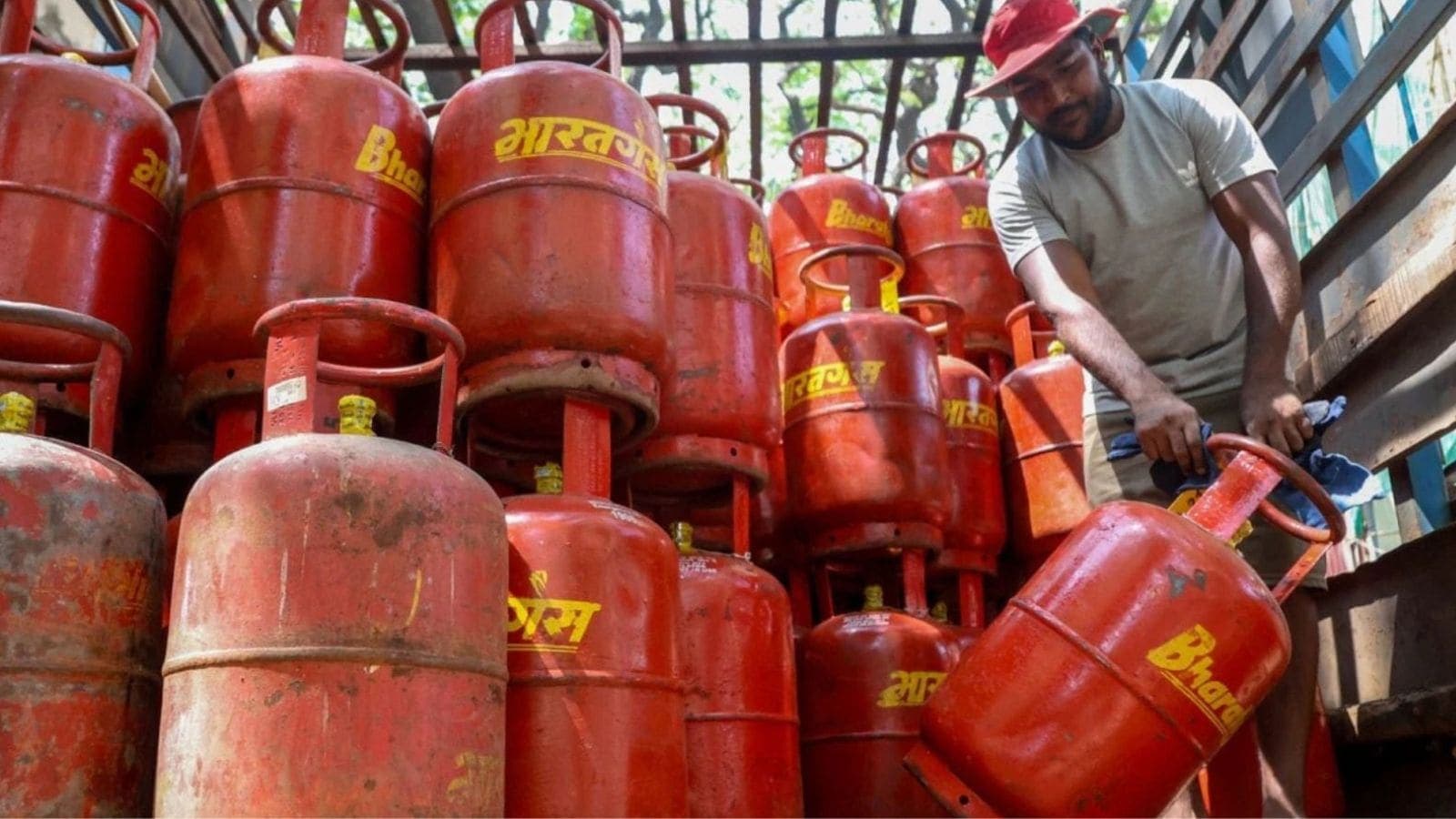
Commercial LPG prices have risen again, with increases of ₹42 in Delhi and ₹53.50 in Kolkata impacting businesses and consumers alike. Find out more.
Indian Express
Discover how a tragic coal mine explosion in Shanxi, China, reveals ongoing safety concerns in the industry amidst a push for green energy.
BBC Business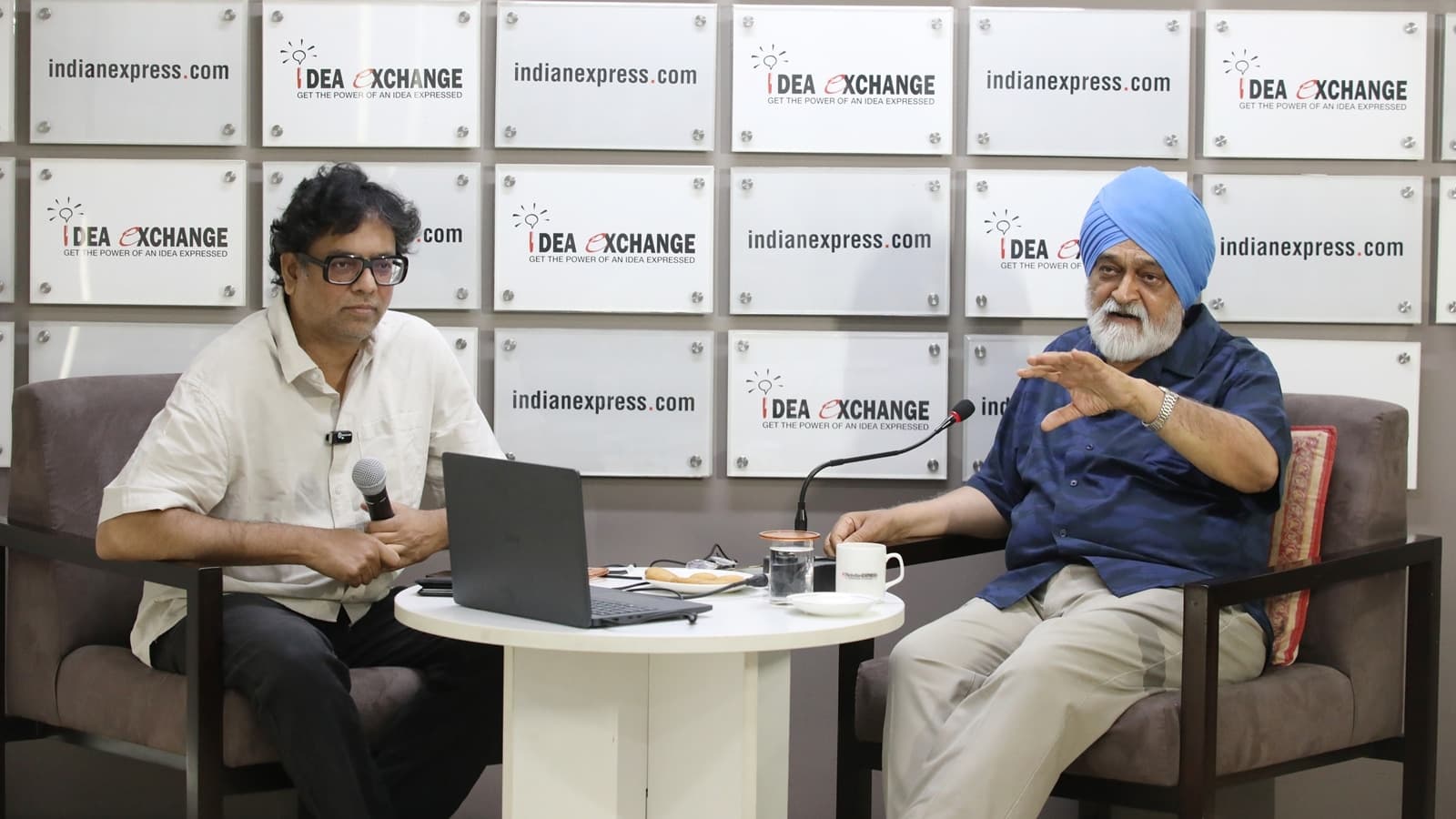
Montek Singh Ahluwalia highlights key economic challenges for India, emphasizing the need for a strategic approach to balance payments and investment.
Indian Express