

Image: BBC Business
UK long-term borrowing costs hit a 28-year high due to the Iran war and political uncertainty. What does this mean for the economy and future elections?
GlipzoIn a significant financial development, long-term borrowing costs in the UK have soared to their highest level since 1998, primarily driven by the ongoing conflict in Iran and escalating political uncertainty ahead of essential local and national elections. The current economic climate has left investors uneasy, particularly in the government bond markets, where yields have reached alarming heights.
As the US-Israeli conflict with Iran continues to unfold, the ramifications are being felt globally, particularly in major economies. The effective cost of borrowing for governments has surged as bond markets react to geopolitical tensions. In the UK specifically, 30-year government bond yields peaked at around 5.78%, marking a staggering 28-year high, while 10-year bonds saw yields climb to 5.1%, the highest in 18 years.
The conflict in Iran has resulted in the practical closure of the Strait of Hormuz, a vital conduit for the world's oil and liquid natural gas supplies. This disruption has sent energy prices skyrocketing, contributing to a climate of heightened inflation expectations. In response, the markets have adjusted, leading to increased borrowing costs and a global rollercoaster in bond valuations.
The turmoil over the weekend indicated a market that is bracing for a prolonged blockage of the Strait of Hormuz, further exacerbating the situation. The impact on the UK has been particularly pronounced compared to other G7 nations, attributed to the UK's more inflation-sensitive economy and looming political instability as elections approach.
As the UK gears up for crucial elections, the political landscape is fraught with uncertainty. The Labour Party is projected to lose hundreds of council seats, raising concerns about its performance in upcoming national elections in Scotland and Wales. Speculation around potential leadership challenges has added to the atmosphere of unpredictability, further straining investor confidence in UK government debt.
Despite these challenges, the government has pointed to earlier improvements in growth, inflation, and borrowing figures before the onset of the Iran conflict. However, these gains are now overshadowed by the rising yields on government bonds, which translate to higher debt interest costs for the government.
With the surge in bond yields, the UK government is facing increased debt servicing costs, which puts additional pressure on Chancellor Rachel Reeves as she strives to adhere to budgetary constraints. Key fiscal rules mandate that the government must not borrow to fund day-to-day expenditures by the end of this parliament and must work towards reducing government debt as a percentage of national income.
Interestingly, UK government borrowing fell to a three-year low, dropping to £132 billion for the year ending in March. However, analysts predict that this trend may reverse if inflation continues to rise, placing further strain on fiscal policies in the months ahead.
The 30-year gilt bond, a lesser-known financial instrument, functions as a long-term loan to the UK government and has traditionally been favored by defined benefit pension funds. The government's Debt Management Office (DMO) recently adjusted its strategy, reducing reliance on this type of borrowing. There are currently no active auctions scheduled for the 30-year term, highlighting a shift in market dynamics.
Despite the turmoil, the Bank of England's governor, Andrew Bailey, attempted to downplay concerns regarding the gilt market. In a recent interview, he noted that the fluctuations in the market are closely tied to the ongoing conflict rather than any unique UK economic story.
As the situation in the Gulf intensifies and UK elections loom, the bond market remains on edge. Investors are closely monitoring both geopolitical developments and political shifts within the UK. The intersection of these factors is creating a delicate environment for government debt, with implications that could resonate throughout the economy.
Looking ahead, here are several key factors to watch: - Inflation Trends: Continued inflation could exacerbate borrowing costs and impact government spending. - Election Outcomes: The results of the upcoming local and national elections will significantly influence market confidence and fiscal policy. - Global Energy Prices: Developments in the Strait of Hormuz and broader energy markets will impact borrowing costs and economic stability.
In sum, the UK’s long-term borrowing costs have reached alarming levels, driven by a combination of international conflict and domestic political uncertainty. As these factors evolve, their implications for the UK economy and government policy will be critical to monitor in the coming months.
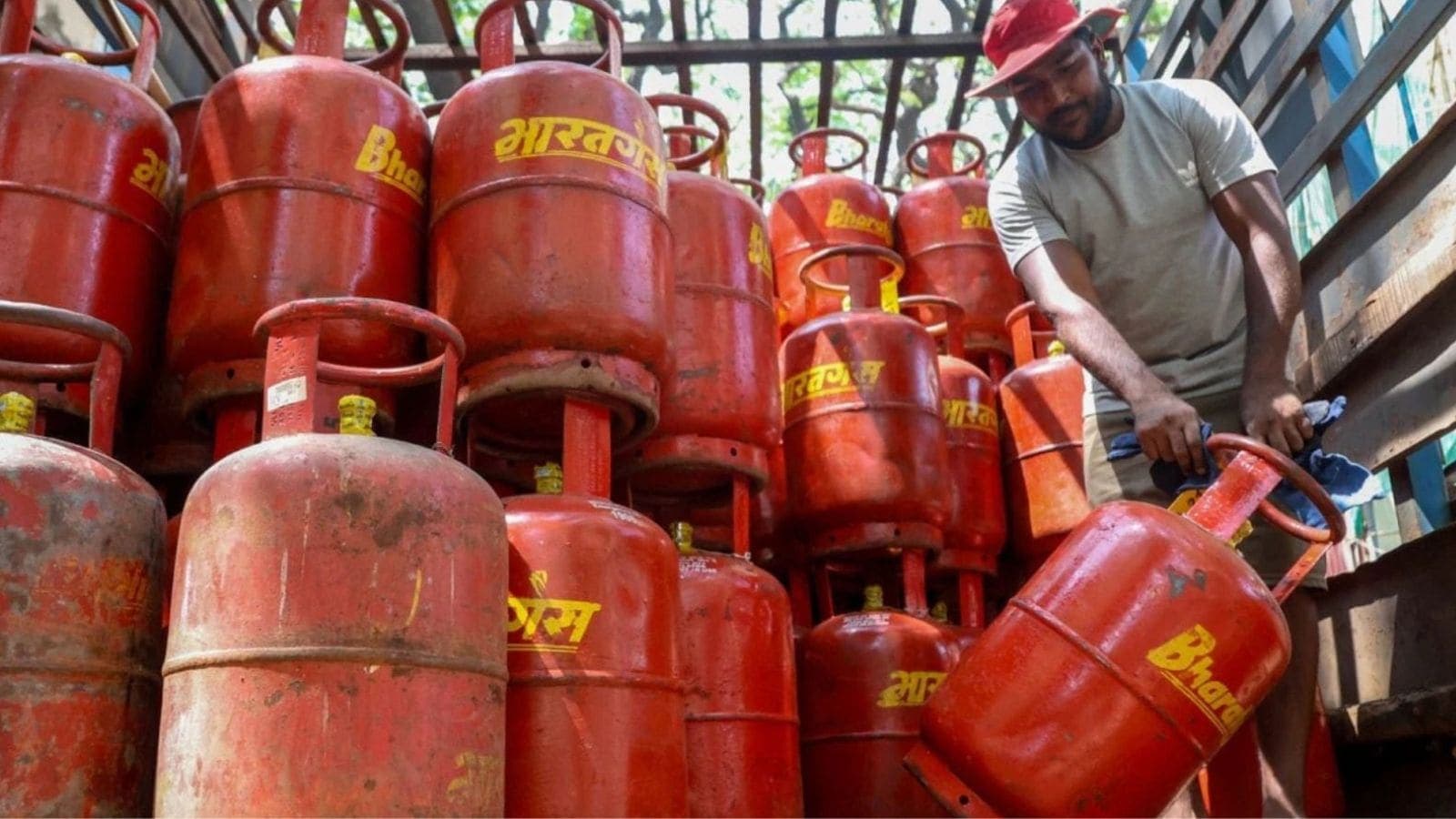
Commercial LPG prices have risen again, with increases of ₹42 in Delhi and ₹53.50 in Kolkata impacting businesses and consumers alike. Find out more.
Indian Express
Discover how a tragic coal mine explosion in Shanxi, China, reveals ongoing safety concerns in the industry amidst a push for green energy.
BBC Business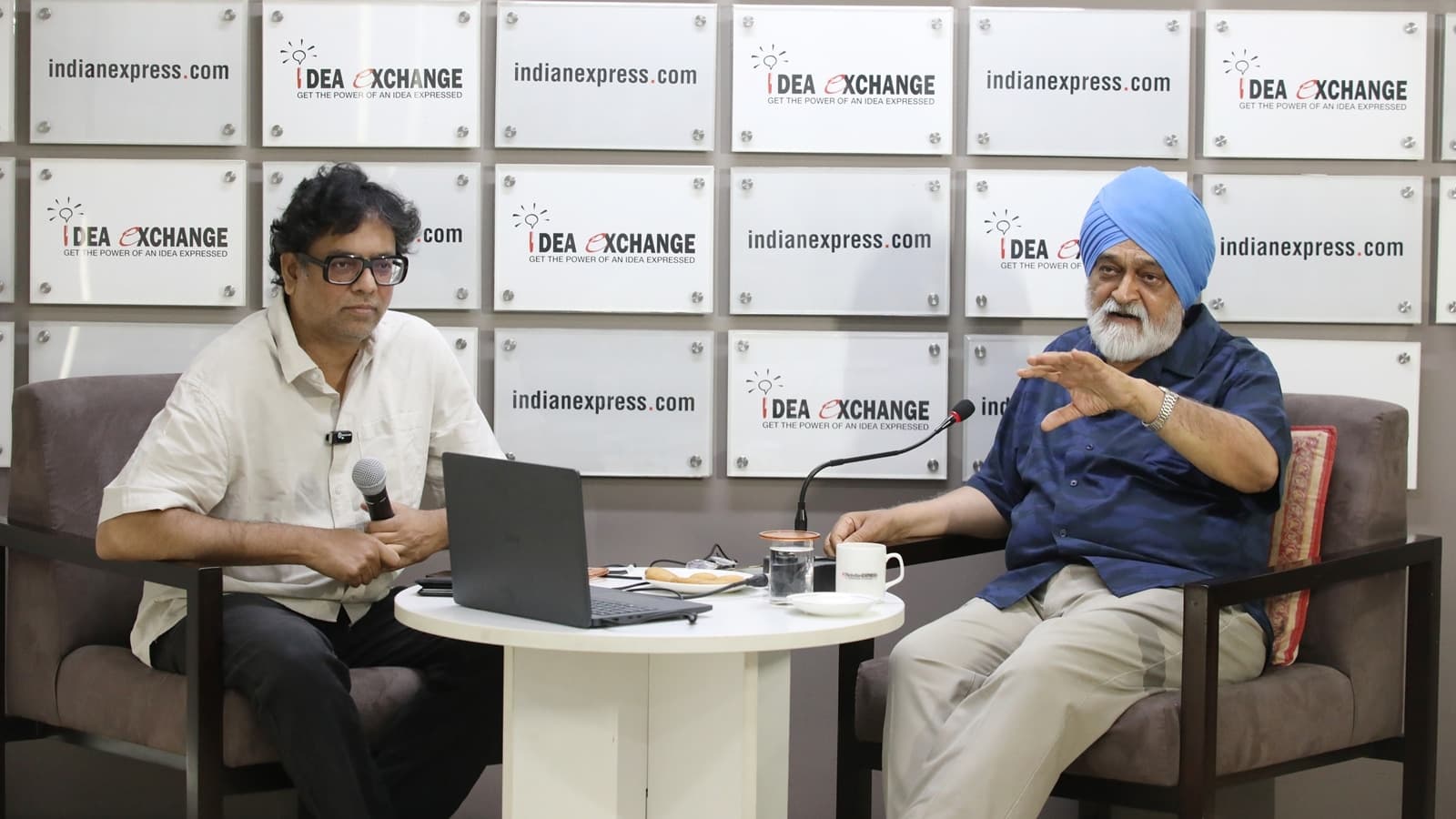
Montek Singh Ahluwalia highlights key economic challenges for India, emphasizing the need for a strategic approach to balance payments and investment.
Indian Express